
Understanding why HPV vaccination isn't just for women requires looking beyond the traditional narratives of cervical health. The medical establishment has spent decades marketing the human papillomavirus vaccine as an exclusive shield for young girls. This gendered approach to public health has inadvertently cultivated a dangerous blind spot among modern male populations.
The consequences of this oversight are becoming statistically impossible to ignore on a global scale across demographics.
A comprehensive survey conducted between March 6 and March 11, 2026, by Ipsos on behalf of Merck Canada lays the groundwork for this shift in perspective. Polling one thousand adults, the data exposes a profound educational void. Sixteen percent of men actively believe the virus is not a concern for them. Another forty-five percent admit they have no idea which diseases the infection actually causes.
Ignorance rarely provides immunity in the realm of infectious diseases.
April serves as Head and Neck Cancer Awareness Month. The timing is deeply relevant given a startling domestic reality. Throat oropharyngeal cancer is now the most common HPV-related cancer in Canada. It affects more men than women annually.
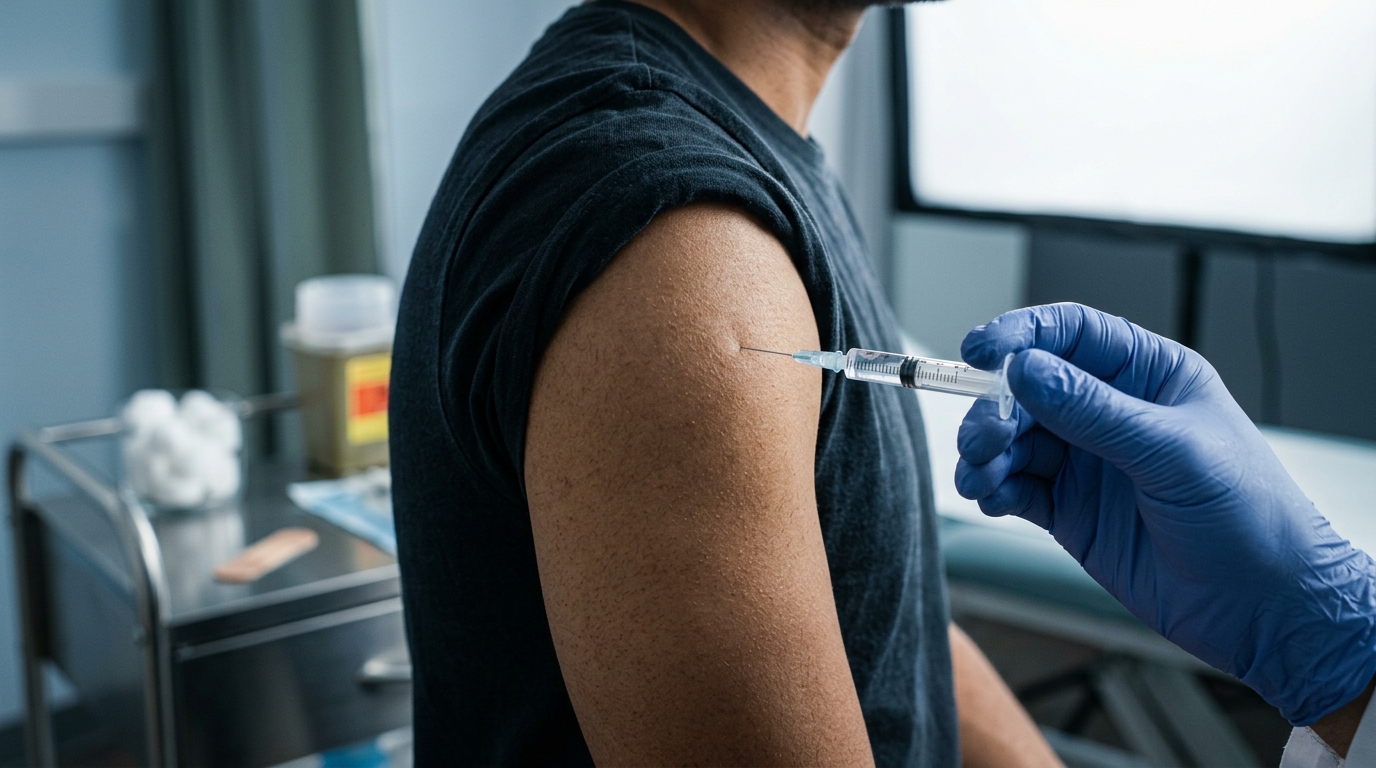
A landmark study published this month in JAMA Oncology confirms the lifesaving potential of preventative action for the male demographic. Researchers analyzed a massive global database of over 615,000 males who received the nonavalent vaccine. They compared this group against two million unvaccinated individuals. The results demonstrated an undeniable forty-six percent reduction in the risk of related malignancies.
For those vaccinated between the ages of fifteen and twenty-six, the risk reduction spiked to an impressive fifty percent across the board.
Dr. Leana Wen recently emphasized to CNN that this intervention is fundamentally about preventing cancer. It protects against infections that lie dormant before evolving into serious disease years later. The human papillomavirus is notably responsible for roughly ninety percent of anal cancers.
It also directly causes between forty and fifty percent of penile cancer cases.

The global burden extends far beyond North America. In India, head and neck cancers account for nearly thirty percent of the total national cancer load. Dr. Tarlochan Singh Randhawa, a senior pediatrician based in Jalandhar, recently noted that males frequently operate as silent carriers of the virus. He strongly urged regional governments to educate the masses about the absolute utility of early immunization protocols for adolescent boys.
There is currently no standard early screening equivalent to the Pap test for these specific male-driven cancers.
Indonesia paints an equally concerning picture of systemic delay. Health Ministry data reveals approximately 36,000 new cases annually. Dr. Hartono Gunadi pointed out at a recent Jakarta forum that the cancers manifesting today stem from infections acquired up to two decades ago.
Vaccination offers robust protection for the future but possesses no retroactive power.
Despite these mounting global statistics, institutional and personal communication barriers persist. The Merck Canada survey found that nearly seventy-one percent of adult respondents identified at least one obstacle to speaking with a healthcare professional. These barriers include a fundamental lack of awareness and lingering feelings of embarrassment. Stigmatization continues to dictate critical medical outcomes for men.
Matthew Thornhill of Merck Canada stressed that strengthening awareness among these uninformed demographic groups remains a critical step toward informed health action.
The era of viewing this solely as a female issue has officially ended. Public health education must adapt to the modern scientific consensus. Sustained, year-round advocacy is necessary to ensure every individual feels empowered to seek clinical guidance without the burden of shame.
Frequently Asked Questions
Why is HPV vaccination important for men?
The human papillomavirus causes severe health issues in males, including throat, anal, and penile cancers. Vaccination drastically reduces the risk of developing these malignancies by preventing the initial infection.
What is the most common HPV-related cancer in men?
Throat cancer, specifically oropharyngeal cancer, is now the most common HPV-related cancer in many regions including Canada. It currently affects significantly more men than women.
Are there routine screening tests for HPV in men?
No. Unlike the Pap test used to screen for cervical cancer in women, there is currently no approved routine screening test for HPV-related throat, anal, or penile cancers in men.
Can the HPV vaccine treat an existing infection?
The vaccine is preventative, meaning it does not work retroactively. It cannot treat an existing infection, which is why early vaccination before exposure is highly recommended by medical professionals.
What is the ideal age for a male to receive the HPV vaccine?
Health authorities generally recommend routine vaccination for preteens around the ages of eleven or twelve. However, clinical studies show significant cancer risk reduction for males vaccinated up through age twenty-six.