The fashion industry is currently navigating a period of profound exhaustion. Between the relentless pace of digital micro-trends and the industrial scale of image manufacturing, the concept of aspiration has become increasingly diluted. We are seeing a recalibration. Brands are moving away from the noise of endless collaborations toward something more grounded and human. This is not about nostalgia. It is about the search for an authentic center in a market saturated by AI-generated perfection and celebrity overexposure.
Nowhere is this shift more evident than at Burberry. The house is currently celebrating its 170th anniversary with a renewed focus on its most essential icon.
Under the leadership of CEO Joshua Schulman and Chief Marketing Officer Jonathan Kiman, the brand has launched Portraits of an Icon. Shot by Tim Walker, the campaign features a diverse roster including Kate Moss, Little Simz, and Kid Cudi. It is a study in restrained Britishness. The imagery avoids the over-processed gloss of the recent past. Instead, it leans into the tactile reality of the trench coat. The choice of photographer is deliberate. Walker brings a sense of whimsy and institutional weight that reflects the brand’s history without feeling antiquated.
It is a return to form that feels remarkably urgent.

The strategy, internally known as Burberry Forward, was introduced in November 2024. It arrived after a decade of sluggish performance and a somewhat disjointed attempt to move the brand further upmarket. Kiman, who joined from Gucci, recognized that the brand lacked clarity. There was a disconnect between the subject-matter experts within the company and the final consumer-facing output. To solve this, he developed a brand book that codified everything from the founder’s story to the specific tone of voice used in copy. This structure allowed the marketing team to move at a pace the industry now demands.
Success in 2026 is measured through three distinct buckets. Brand commerce tracks immediate sales. Brand buzz monitors short-term excitement. Brand love acts as the mid-to-long-term driver of loyalty.
The campaign itself was born from an unconventional internal crowdsourcing initiative. Kiman invited over 500 employees to submit ideas on how to celebrate the 170th anniversary. This was a nod to Thomas Burberry himself, who once asked the public for ideas for the brand’s knight emblem. The result is a campaign that feels celebratory rather than corporate. It features a Blur soundtrack and cultural references that range from the British countryside to the grit of London streets. It is a clever calibration of an imagined Britain versus the real one.

Craft remains the cornerstone of this breakthrough. The Burberry trench coat was never intended as a fashion statement. Thomas Burberry developed gabardine in the late 19th century as a technical leap in outerwear. It was breathable, weather-resistant, and designed for the functional rigors of trench combat in World War I. Today, these coats are still cut in Castleford, Yorkshire. The fundamentals of the belt, epaulets, and storm flaps remain unchanged. In an era of disposable fashion, this level of consistency provides a rare sense of security for the consumer.
The trench does not insist on relevance. It simply endures.
Marketing in this climate requires a sophisticated understanding of customer archetypes. Burberry has identified four key groups: the high-spending investor, the classic conservative, the brand-loving hedonist, and the younger aspirational buyer. Each group requires a different entry point. For the aspirational buyer, the brand leans into social platforms like TikTok. They have utilized niche British creators like Bus Aunty and Crazy Auntie Ann to inject humor and wit into the narrative. This content generated millions of views because it felt native to the platform rather than a high-altitude broadcast from a luxury house.
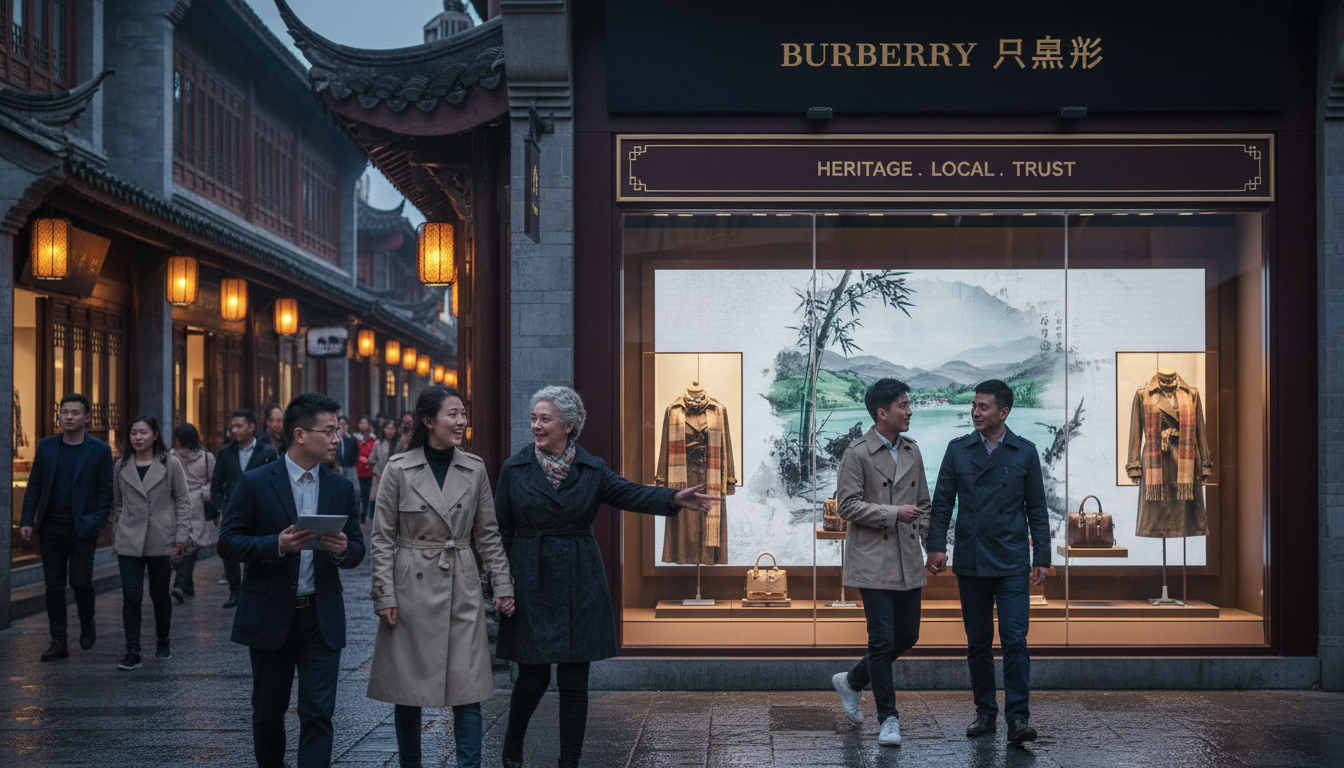
The pivot toward slower advertising and human connection is a response to consumer fatigue. People are looking for brands they can trust. For Burberry, that trust is built on the intersection of heritage and local relevance. In China, which represents a third of their sales, the brand has moved away from a copy-paste approach. They now work with local art directors and agencies to ensure the British spirit of the brand translates without losing its cultural nuance. This localized strategy contributed to a 6 percent revenue increase in the region during the most recent earnings period.
The verdict is clear. Breaking through the noise in 2026 requires more than just a famous face or a viral moment. It requires a clear articulation of purpose and a refusal to sacrifice craft for the sake of speed. Burberry has shown that by embracing its history and its specific brand of British wit, it can find a path to growth. The marketing machine has been recalibrated to favor clarity over complexity. As Kiman noted, the customers will be the final judge. For now, the focus remains on building a version of timeless luxury that resonates globally while remaining stubbornly rooted in its own origins.
Frequently Asked Questions
What is the Burberry Forward strategy?
Burberry Forward is a strategic turnaround plan introduced in November 2024. It focuses on clarifying the brand identity, improving sales through marketing, and leaning back into the brand’s core heritage products like the trench coat.
Who directed the Burberry 170th anniversary campaign?
The Portraits of an Icon campaign was shot by the renowned British photographer Tim Walker. It features a star-studded cast including Kate Moss, Kid Cudi, and Little Simz to celebrate the brand's long history.
What are the four customer archetypes Burberry targets?
The brand categorizes its audience into the high-spending investor, the classic conservative, the brand-loving hedonist, and the younger aspirational buyer. This allows the marketing team to tailor campaigns to specific consumer behaviors and values.
Why is the Burberry trench coat considered a heritage icon?
The trench coat was originally developed by Thomas Burberry using gabardine fabric for functional use in World War I. Its consistent design and production in Castleford, Yorkshire, have made it a symbol of British style and craftsmanship for 170 years.
How is Burberry using social media differently in 2026?
Burberry has integrated its social media team into the early stages of campaign development. They focus on short-form video and collaborations with niche creators to ensure content feels authentic to platforms like TikTok and Instagram.
What is gabardine fabric?
Gabardine is a tough, tightly woven, and breathable fabric invented by Thomas Burberry in 1879. It was revolutionary for being weather-resistant without the heavy coating typically used in outerwear at the time.
How did Burberry crowdsource its anniversary campaign ideas?
Chief Marketing Officer Jonathan Kiman invited all Burberry employees to submit their ideas for the 170th anniversary. Over 500 submissions were received, leading to the talent-led trench coat campaign seen today.