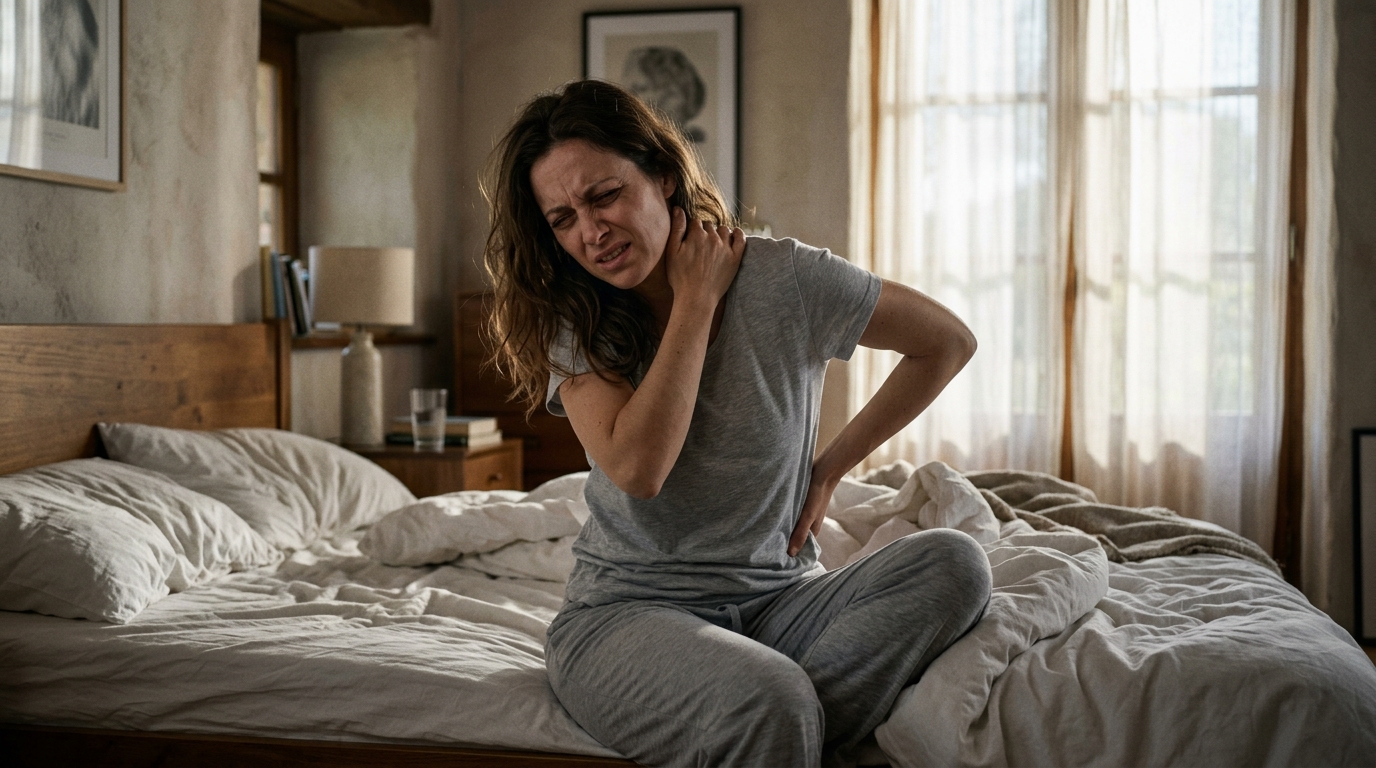
If you find yourself waking up in pain, your sleep position may need adjusting. Across high-end dermatology clinics and modern sleep labs, this singular realization dominates the conversation. Patients are no longer just asking how long they should rest. They are demanding to know exactly how their bodies should be angled while they do it. The mechanics of sleep have become the ultimate lifestyle metric.
Context dictates everything when it comes to the science of rest.
Recent reporting by Amanda Schupak for The New York Times and Laura Kiniry for Popular Science highlights a growing medical consensus. We are waking up stiff, asymmetrical, and exhausted. The culprit is rarely the mattress alone. According to Dr. John Saito of the American Academy of Sleep Medicine, the way we arrange our limbs dictates cognitive longevity.
The physical arrangement of your limbs is only one part of the equation.
Dr. Saito advocates for the ABC method of respiratory therapy. This framework prioritizes the airway, breathing, and circulation over rigid postural rules. Moses Jeanfrancois recently detailed this approach for Inc. Magazine. Oxygenation remains the primary driver of nocturnal recovery.
Sleep apnea sufferers must avoid supine resting entirely. Gravity pulls the relaxed tongue backward, obstructing the upper airway.
Side-sleeping offers specific physiological advantages depending on your orientation. Resting on the right side lowers pressure on the heart and optimizes blood flow because the flexible mediastinum holds the organ securely in place. The left side serves an entirely different function. It facilitates the glymphatic system. This specialized waste clearance network washes away harmful metabolic byproducts.
These cleared byproducts include proteins directly linked to Alzheimer's disease.
The glymphatic system remains one of the most compelling discoveries in recent sleep science. Researchers continue to map how this nocturnal washing mechanism relies on bodily orientation. When we curl up tightly, we risk compressing the diaphragm and chest. A linear posture on either side optimizes spinal alignment while allowing the brain to efficiently clear out its metabolic trash.
Curling up like a baby might feel safe, but it actively restricts your breathing capacity.
Yet, lateral resting has sparked a localized panic in the aesthetic market. Social media algorithms currently feed users a steady diet of facial asymmetry fears. Deccan Chronicle reporter Anushree Chaurasia recently explored this rising obsession with sleep lines and nighttime skin compression.
Dermatologist Dr. Amit Bangia notes that nightly pressure on one side of the face blocks lymphatic drainage.
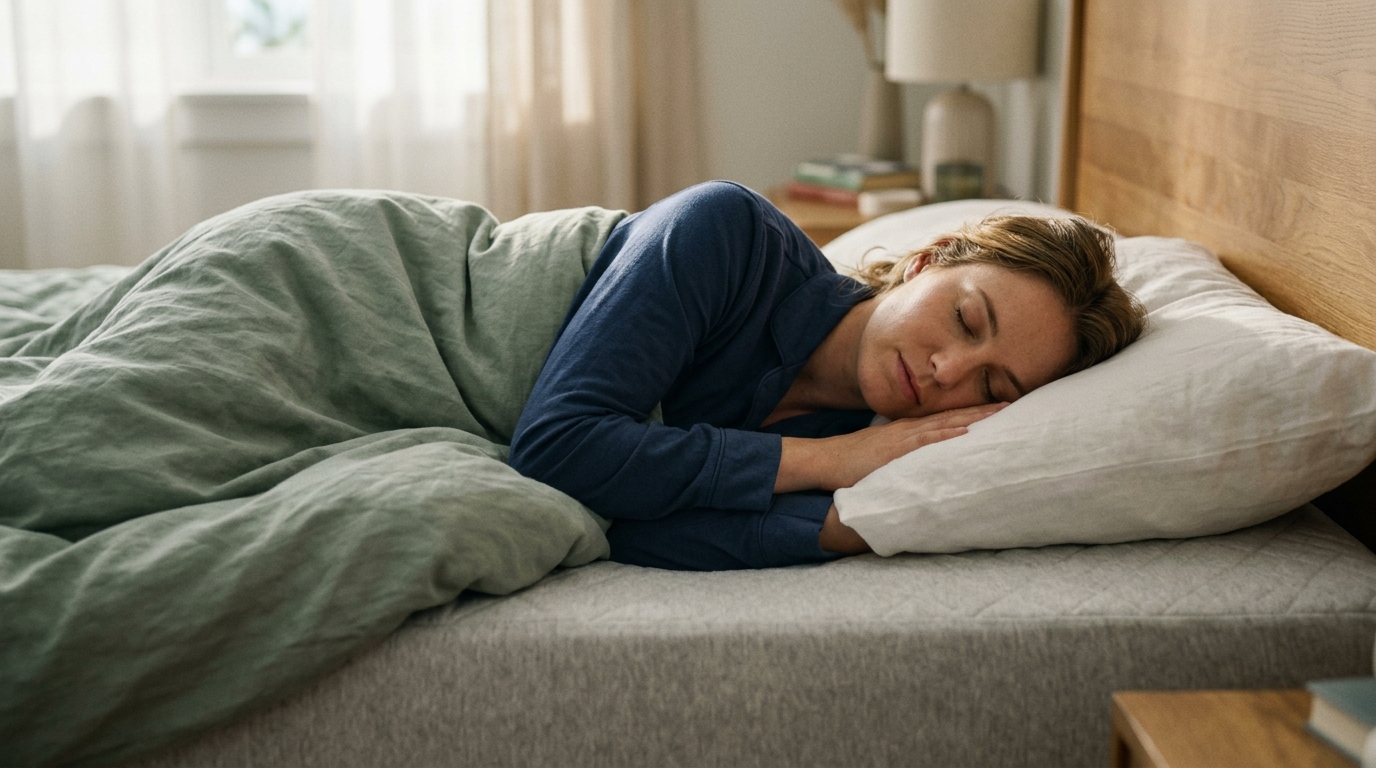
This localized pressure creates morning puffiness. Over decades, chronic mechanical stress can intensify collagen breakdown in predisposed individuals. Patients now arrive at clinics terrified of their own pillows. Dr. Tanushree Biswas of Kaya Limited separates the internet exaggeration from biological reality. Sleep posture does not restructure adult bone. It merely etches compression lines into aging skin.
These superficial folds run perfectly perpendicular to natural expression lines.
The tension compounds for those suffering from bruxism or temporomandibular joint sensitivity. Unilateral pressure reinforces jaw tightness. The proposed aesthetic solution is often back-sleeping. Online influencers present supine rest as the absolute gold standard for symmetrical aging. Sleep medicine specialists entirely disagree with this cosmetic priority.
Prioritizing vanity over airway support is a dangerous game.
Poor sleep quality elevates cortisol levels. Chronic sleep deprivation accelerates aging far more aggressively than pressing your cheek into a mattress ever could. Compromise remains the only logical path forward. You must choose a mattress that supports the natural curve of your spine. Movement is normal. Shifting prevents joint stiffness and dangerous pressure buildup.
Side sleepers should place a pillow between their knees to align the hips. Back sleepers benefit from a cushion beneath the knees. Stomach sleepers require thin support under the pelvis to prevent lower back strain.
Clinical interventions bridge the gap. Silk pillowcases reduce surface friction, while medical-grade retinoids address the underlying collagen loss directly.
The verdict is decidedly pragmatic. There is no universally perfect position waiting to be discovered. The healthiest posture is simply the unobtrusive one that allows you to breathe deeply, maintain oxygenation, and wake up without joint pain.
Frequently Asked Questions
Does sleeping on your side cause permanent facial wrinkles?
Habitual side-sleeping can contribute to compression lines over time. These superficial folds are different from standard expression lines and result from repeated mechanical pressure against the pillow. However, dermatologists emphasize that genetics, UV exposure, and intrinsic aging play a much larger role in wrinkle formation than sleep posture.
What is the ABC method for better sleep?
The ABC method stands for airway, breathing, and circulation. It is a respiratory therapy framework recommended by sleep experts to determine your ideal resting posture. The primary goal is to choose a sleeping position that keeps your airway open and maintains optimal oxygenation throughout the entire night.
Is it better to sleep on your left or right side?
Both sides offer unique physiological benefits. Sleeping on your right side improves blood flow and reduces pressure on the heart. Sleeping on your left side aids the glymphatic system in clearing harmful metabolic waste from the brain.
Why does back-sleeping worsen sleep apnea?
Lying flat on your back allows the throat muscles to relax and the tongue to fall backward. This physically blocks the upper airway. For individuals with sleep apnea, this obstruction causes breathing to stop and start, which severely disrupts cellular recovery.
How can I stop waking up with lower back pain?
Adjusting your joint alignment with pillows can significantly reduce pain. Side sleepers should place a cushion between their knees. Back sleepers need a pillow under their knees, and stomach sleepers should use thin support under their hips to maintain a neutral spine.
Should I force myself to sleep on my back for anti-aging benefits?
No. Medical professionals warn against sacrificing rest quality for cosmetic reasons. Poor sleep elevates cortisol and accelerates aging far more than compression lines. You should always prioritize a position that allows for deep, uninterrupted breathing.