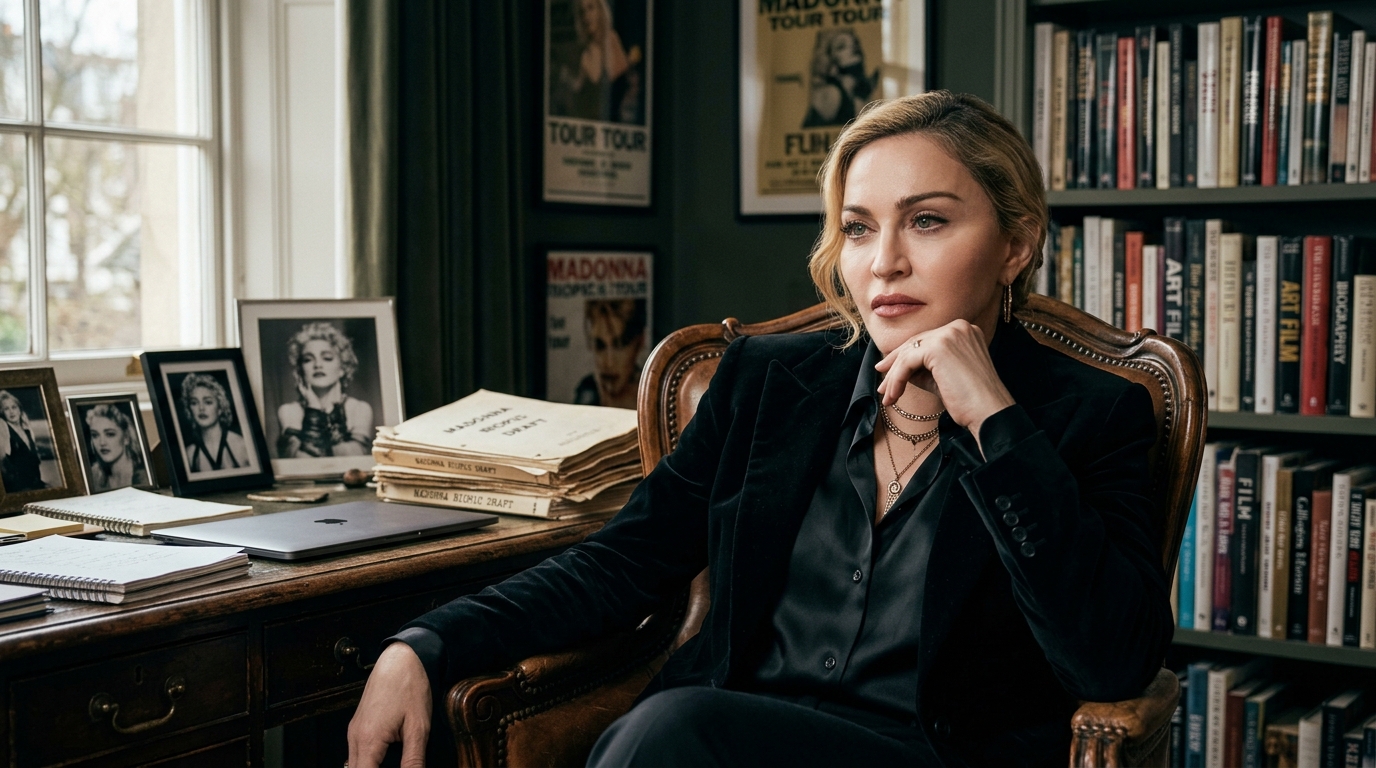
The Universal Pictures Madonna Biopic is officially dead. Sitting in her London home, the legendary artist recently detailed the collapse of her highly anticipated biographical film. She spent two years developing the project with the studio. Executives ultimately shelved the movie after a fundamental disagreement. It was a clash between corporate risk and artistic vision.
The core of the dispute was entirely financial. Madonna explicitly stated that her extraordinary life required a massive budget.
Universal executives reportedly could not justify the monumental scale she envisioned. The pop icon offered a drastic compromise to lower production costs. She proposed moving the entire shoot to Serbia. Studio executives flatly rejected the idea. They openly doubted her willingness to endure the harsh conditions of Eastern European production for more than four days. She found their lack of faith deeply insulting.
Her entire career has been an exercise in absolute survival.
The casting process alone was a spectacle. Julia Garner secured the lead role after surviving a notoriously grueling audition circuit. The industry affectionately dubbed this extensive testing phase as Madonna bootcamp.

Drafting the narrative proved equally exhaustive. Madonna co-wrote the screenplay alongside established industry talents like Diablo Cody and Erin Cressida Wilson. Reports indicated that none of their drafts clocked in under 180 pages. A script of that magnitude translates to a three-hour runtime. Studios rarely greenlight musical biopics with such sprawling dimensions without guaranteed, risk-free returns.
When Universal put the picture into turnaround, the project entered a state of indefinite developmental limbo.
Netflix soon approached her to adapt the sweeping narrative into a limited biographical series. The streaming platform paired her with producer Shawn Levy to structure the adaptation. This television pivot introduced an entirely new set of hurdles.
Universal still owned the rights to her completed screenplay.
The studio demanded an exorbitant fee to release the intellectual property. Madonna refused to pay what she described as an extortionist price for her own life story. Developing a television series also required hiring a dedicated showrunner. After nine months of meeting with various writers, she failed to find a suitable creative partner. The entire television adaptation eventually stalled under the weight of logistics.

This friction highlights a broader market reality. Hollywood prefers its music biopics to be neat, highly sanitized, and reasonably budgeted. Madonna refuses to compress her legacy into a standard studio box.
She has since returned to the recording studio to produce a new dance album instead.
The film industry often struggles to accommodate figures who operate outside traditional frameworks. Universal wanted a conventional movie. Madonna demanded a sprawling cinematic monument. Until a studio is willing to underwrite her exact specifications, her definitive story will remain untold on screen. The material exists. The checkbook simply has not caught up to the vision.
Working with acclaimed music producer Stuart Price provided an immediate creative outlet when the Hollywood machinery ground to a halt.
She shifted her focus to creating the sequel to her iconic dance record. This pivot makes perfect strategic sense. The music industry allows her a level of absolute dictatorial control that a major film studio will never permit. She does not need committee approval to write a song. The bureaucracy of film development stands in stark contrast to the immediacy of music production.
Her resilience remains her most bankable asset in any medium.
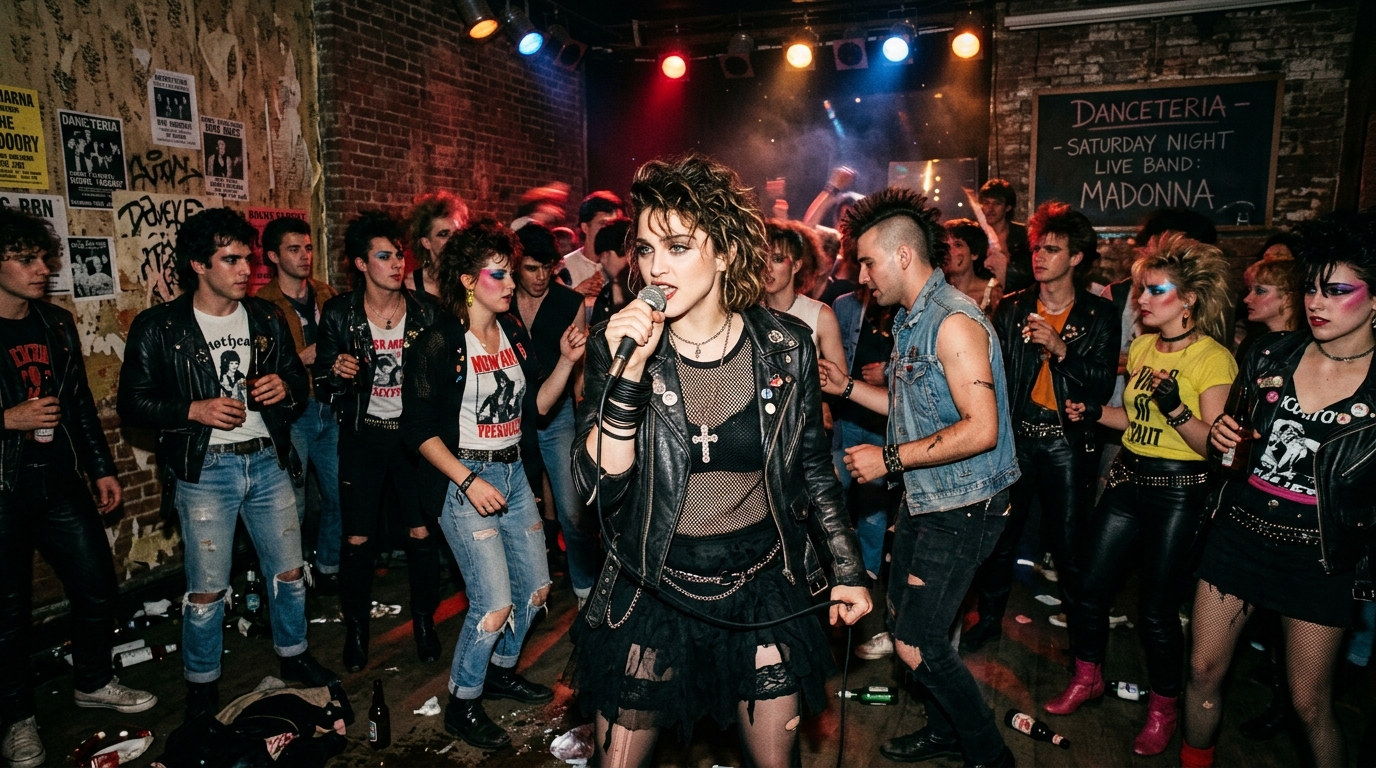
The entertainment market is currently saturated with safe biographical projects. Audiences are routinely fed diluted versions of rock history. A true Madonna film would necessitate an uncompromising look at the underground club scenes of the early eighties.
Capturing that specific raw energy requires authentic set pieces and extensive location shooting across New York City.
Recreating Danceteria and the grimy lofts of the Garment District is not a cheap endeavor. The wardrobe budget alone to accurately reflect her stylistic evolution would rival most independent film budgets. Universal line producers likely looked at the costume requirements and panicked. High fashion and historical accuracy demand a premium that risk-averse executives simply do not want to authorize today.
The film industry's loss is ultimately the dance floor's gain.
Frequently Asked Questions
Why did Universal cancel the Madonna biopic?
Universal and Madonna had a major disagreement over the film's budget. The studio was unwilling to finance the massive scale she felt her life story required.
Who was cast to play Madonna in the movie?
Julia Garner was cast in the lead role. She won the part after completing a highly demanding audition process known in the industry as Madonna bootcamp.
Where did Madonna propose filming to save money?
She suggested moving the production to Serbia to keep costs down. Universal rejected this idea because executives did not believe she would stay in the country for more than a few days.
Why did the Netflix series adaptation fail to happen?
Netflix wanted to make a limited series with producer Shawn Levy. The project stalled because Universal demanded an extortionate price for the script rights, and Madonna could not find a suitable showrunner.
Who helped write the original screenplay?
Madonna co-wrote the script with established screenwriters Diablo Cody and Erin Cressida Wilson. Their drafts were reportedly over 180 pages long.