The wellness world loves a complicated cure, but recent evidence proves that eating a diet high in Vitamin C may help prevent cancer. A groundbreaking 2026 study from the University of Waterloo reveals the exact mechanics of this biological process. Researchers finally mapped how this humble daily antioxidant neutralizes dangerous chemical reactions within the human digestive tract.
Our modern plates are heavily burdened. North American diets show a steady increase in exposure to nitrates from cured meats.
Dr. Gordon McNicol and Dr. Anita Layton constructed a brilliant mathematical model of the human digestive tract. Their simulation tracked how nitrites and nitrates move through the salivary glands, stomach, and plasma. In the stomach, these compounds undergo nitrosation. This chemical transformation creates toxic molecules widely suspected of increasing human cancer risks.

Dietary Vitamin C stops this toxic transformation entirely.
The study published in the Journal of Theoretical Biology explains years of conflicting medical data. Even relatively low concentrations of ascorbic acid significantly reduce the accumulation of carcinogenic nitrogen compounds.
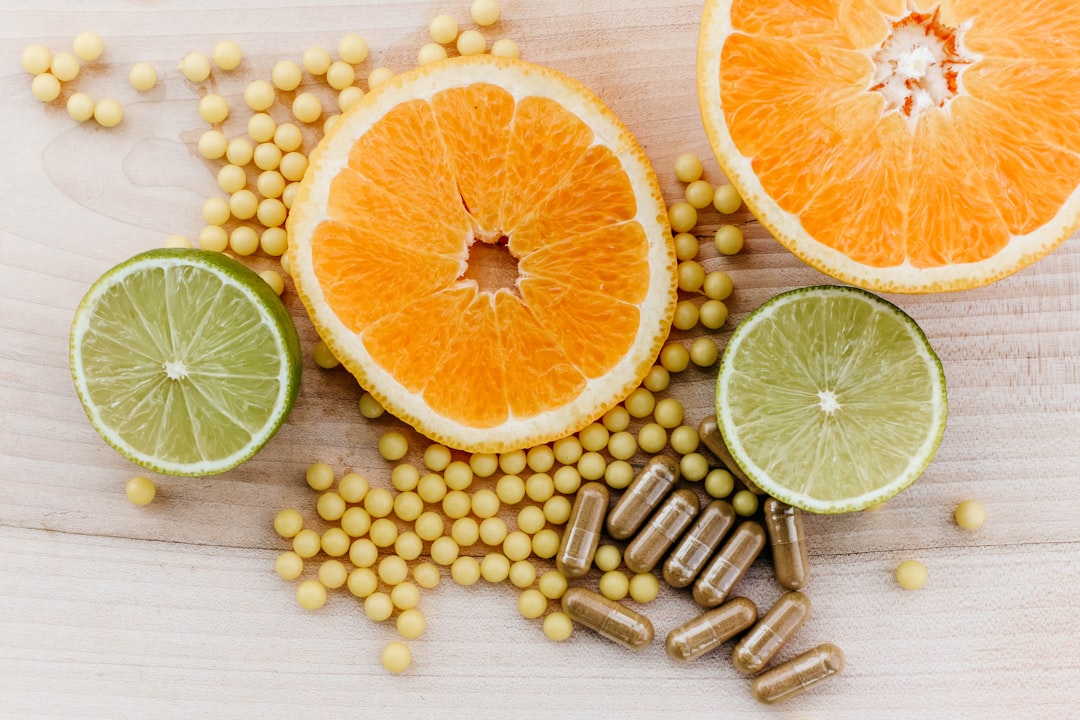
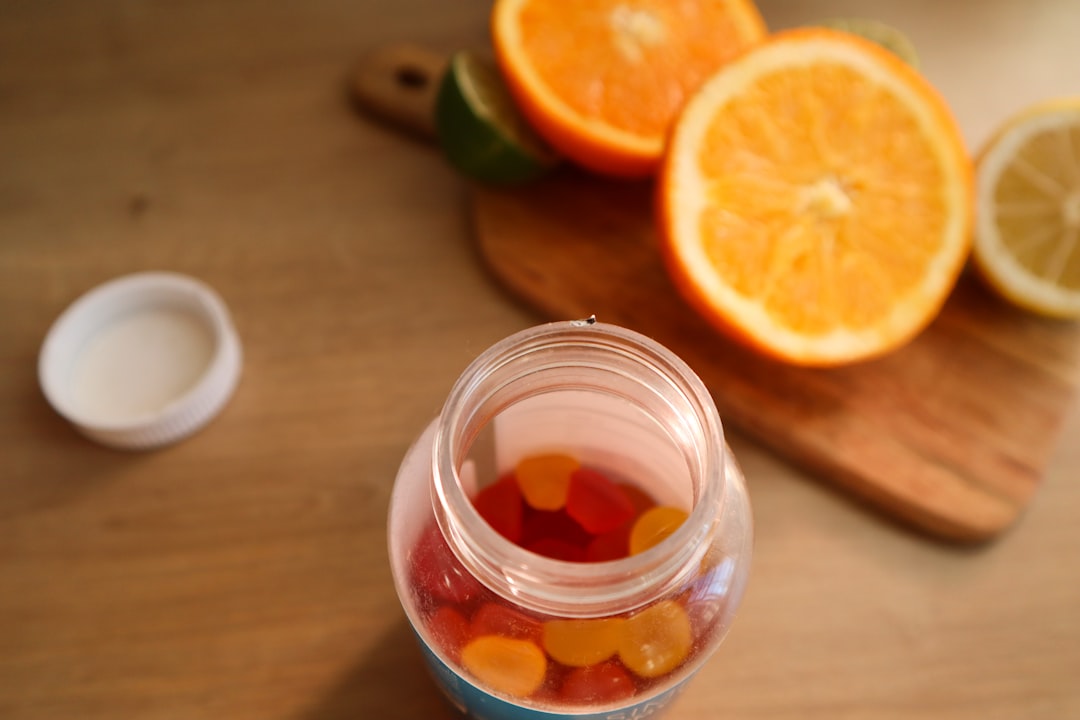
Practical application is delightfully straightforward. The risk of cellular damage plummets when Vitamin C supplements are taken alongside nitrate-rich foods like bacon or salami. Adding a side of leafy greens such as spinach to your morning plate achieves a similar protective effect. It acts as an elegant chemical shield against the inherent dangers of heavily processed meats.
This discovery reframes an old medical controversy. The scientific community is finally revisiting the legacy of Linus Pauling.
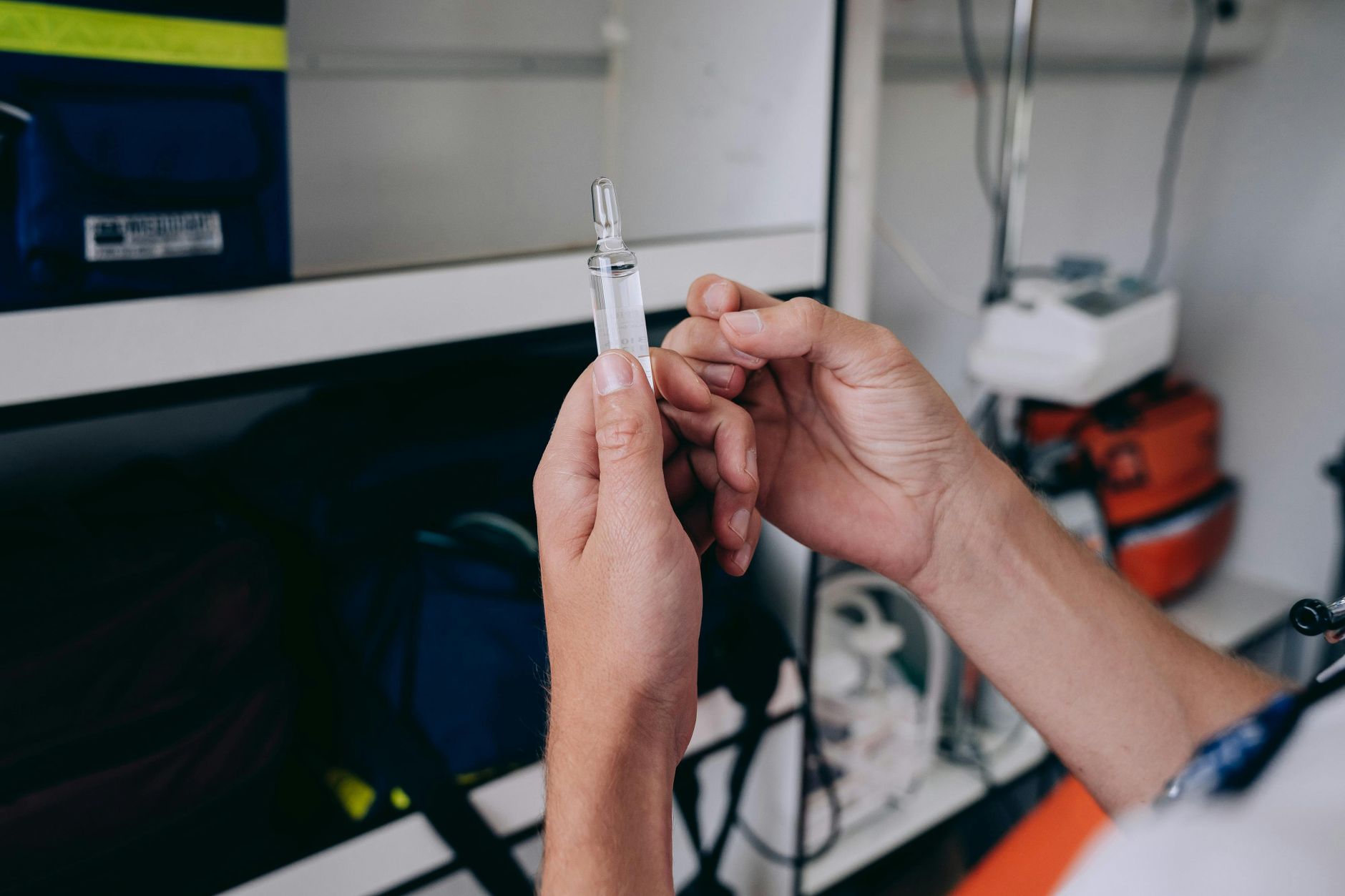
During the 1970s, the Nobel laureate partnered with Scottish physician Ewan Cameron to treat advanced tumors using massive doses of the vitamin. Their controversial claims were quickly dismissed by mainstream oncology after Mayo Clinic trials showed no benefit. We now know those failed trials relied exclusively on oral tablets instead of the intravenous drips used in the original clinical protocols.
The delivery method completely changes the biological math.
Intravenous administration pushes blood concentrations to extraordinary levels. In this extreme state, the nutrient abandons its typical antioxidant duties. It generates hydrogen peroxide to selectively destroy tumor cells.
Cancer cells are highly vulnerable to this targeted oxidative stress. Their internal cleanup systems are already stretched thin by rapid growth and poor blood supply. The sudden pulse of hydrogen peroxide damages their fragile DNA structures while sparing healthy normal cells. It functions less like a daily wellness supplement and more like a highly selective chemotherapy drug.
Clinical evidence for intravenous therapy is still early. Doctors are administering these infusions for hard-to-treat tumors.
Patients receiving these experimental drips alongside standard chemotherapy often report a dramatically improved quality of life. They experience significantly less fatigue and fewer debilitating side effects like nausea. While it may not be the universal cure Pauling once promised, it provides undeniable comfort. Future research will clarify exactly how it helps the immune system recognize tumors.
Medical science rarely moves in a perfectly straight line.
This paradigm shift proves the importance of rigorous observation. Whether you are balancing a plate of charcuterie with fresh citrus or tracking clinical trials, the protective power of this nutrient is undeniable.
Dr. Layton emphasizes the need for targeted nutritional interventions. Her team provided a mechanistic roadmap for future laboratory experiments. They identified the key drivers of these harmful chemical reactions. Researchers can now optimize meal timing and analyze oral microbiome activity to determine exactly when nitrosation is most likely to occur in the human stomach.
There is no longer a reason to fear your breakfast choices. A balanced diet serves as a highly effective biological armor.
The modern approach to wellness requires nuance rather than absolute restriction. You do not need to banish every piece of cured meat from your life. You simply need to understand the chemical context of your meals. Pairing your indulgences with the right acidic compounds neutralizes the threat before it begins. It is an accessible strategy for long-term health and vitality.
True scientific knowledge transforms how we consume our food.
This quiet revolution in preventative medicine starts at the grocery store. We are finally learning how to work with our biology instead of fighting it. The simplest ingredients often hold the most extraordinary power.
Frequently Asked Questions
Does eating a diet high in Vitamin C help prevent cancer?
Yes. Recent studies indicate that dietary Vitamin C neutralizes carcinogenic molecules that form when digesting nitrates. This chemical disruption significantly lowers the overall risk of cellular damage.
How does Vitamin C interact with processed meats?
Processed meats contain high levels of nitrates and nitrites. When consumed together, Vitamin C prevents these compounds from transforming into toxic nitrosamines inside the acidic environment of the stomach.
Can I take a Vitamin C supplement after eating bacon?
Yes. Taking a supplement immediately following a meal rich in cured meats reduces the formation of harmful nitrosation products. It acts as an effective protective measure against dietary toxins.
What was the University of Waterloo study about?
Researchers built a mathematical model of the digestive tract to simulate how nitrogen compounds move through the body. They discovered that the presence of ascorbic acid directly inhibits the creation of cancer-causing chemicals.
Is intravenous Vitamin C used as a cancer treatment?
Intravenous administration is currently used in experimental clinical settings for advanced tumors. High doses delivered directly into the bloodstream generate hydrogen peroxide, which selectively damages cancer cells while sparing healthy tissue.
Why did early Mayo Clinic trials on Vitamin C fail?
The original trials relied exclusively on oral tablets rather than intravenous drips. The human gut can only absorb a limited amount of ascorbic acid, preventing blood concentrations from reaching the levels required to destroy tumor cells.
Does Vitamin C reduce chemotherapy side effects?
Patients receiving high-dose intravenous infusions alongside traditional chemotherapy often report a better quality of life. Clinical observations note a reduction in common side effects like severe fatigue, pain, and nausea.