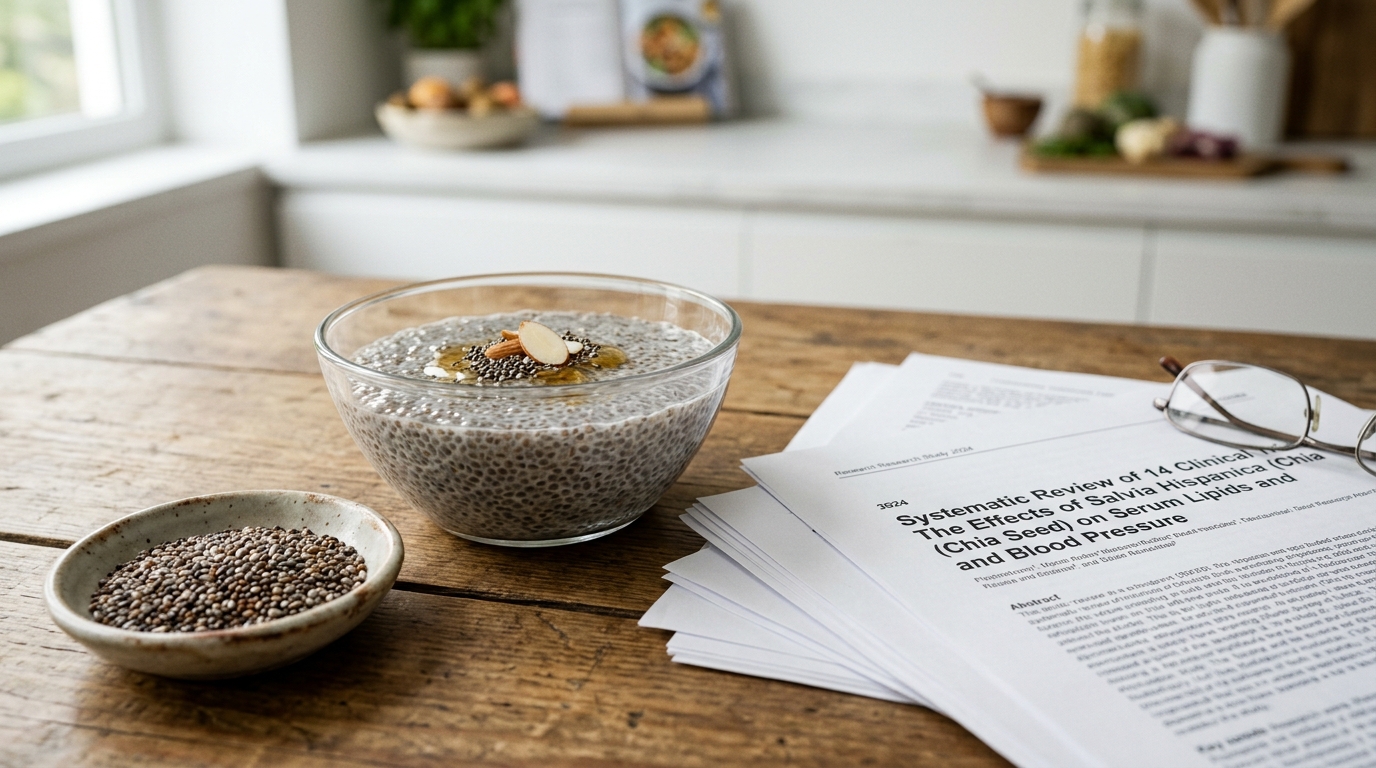
The wellness industry is saturated with fleeting trends and hollow promises. Yet the most surprising benefit of eating chia seeds, according to dietitians, lies in their verified clinical efficacy. This is not another passing culinary fad.
These ancient seeds were once prized by Aztec runners for sustained energy. Modern science now validates this historical usage with precise data. A 2024 study analyzing 14 clinical trials confirmed their ability to lower cholesterol and manage blood pressure. The tiny speck delivers a substantial four grams of complete protein per serving. It contains all nine essential amino acids.
Texture is where this functional ingredient deeply divides its audience.
When exposed to liquid, the seeds release mucilage. This soluble fiber creates a distinct gel structure. It is this exact mechanism that slows digestion and stabilizes blood glucose spikes after a heavy meal.
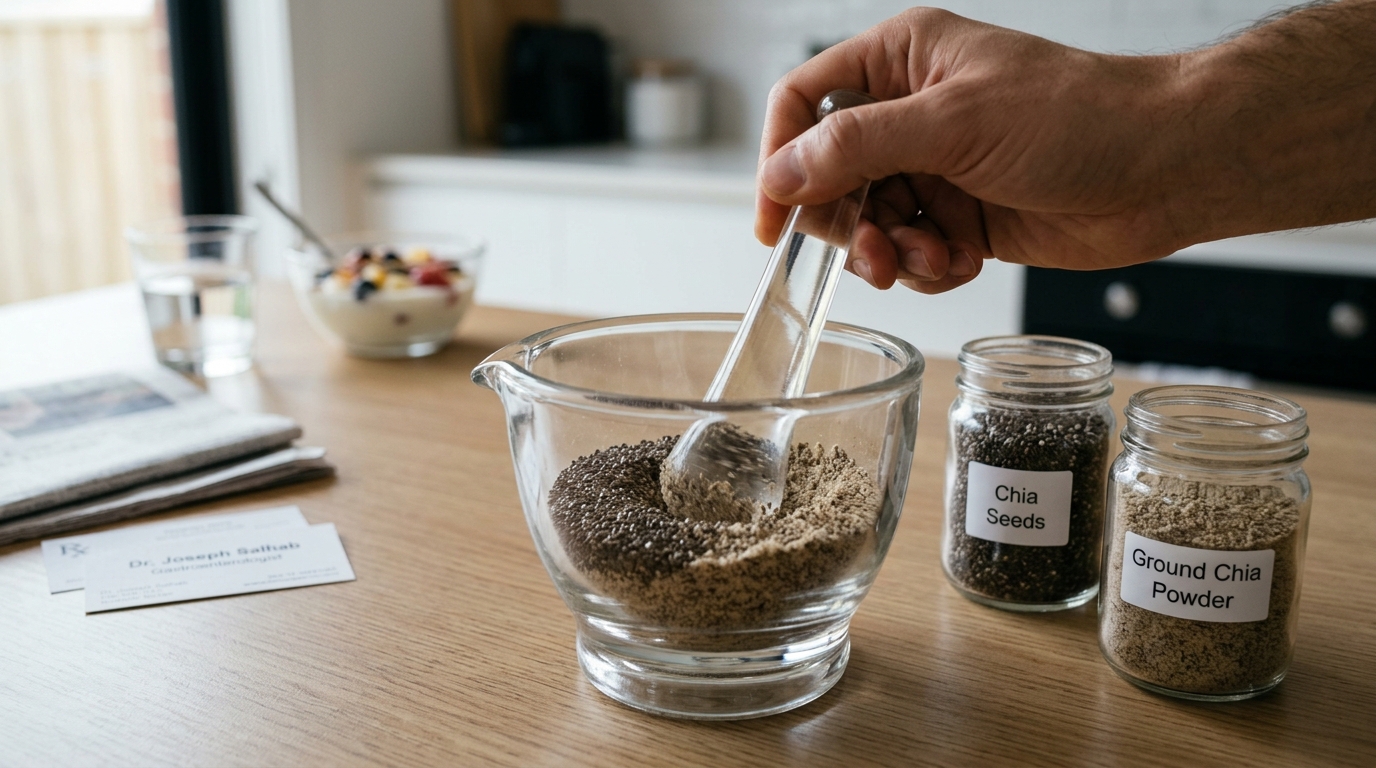
Consumers often abandon the ingredient entirely due to this polarizing slimy consistency. Gastronomic appeal dictates long-term dietary habits. Gastroenterologist Dr. Joseph Salhab offers a sharp solution to this widespread culinary hurdle. He advises grinding the seeds into a fine powder before use. This simple mechanical shift alters everything about the daily consumption experience.
The divisive gelatinous texture simply vanishes into any dish.
Grinding the seeds also breaks their tough outer coat. This process makes vital minerals like calcium, magnesium, and zinc far more bioavailable. The fibrous hull no longer acts as a rigid barrier to optimal nutrient absorption.
Dietitians advise against consuming large quantities of dry, whole seeds. They rapidly absorb ambient moisture. This rapid expansion can cause severe digestive blockages if adequate hydration is not maintained alongside them. Dr. Danbee Kim insists on heavy water intake to prevent uncomfortable gastrointestinal complications. Respecting the physical properties of the food is strictly mandatory.
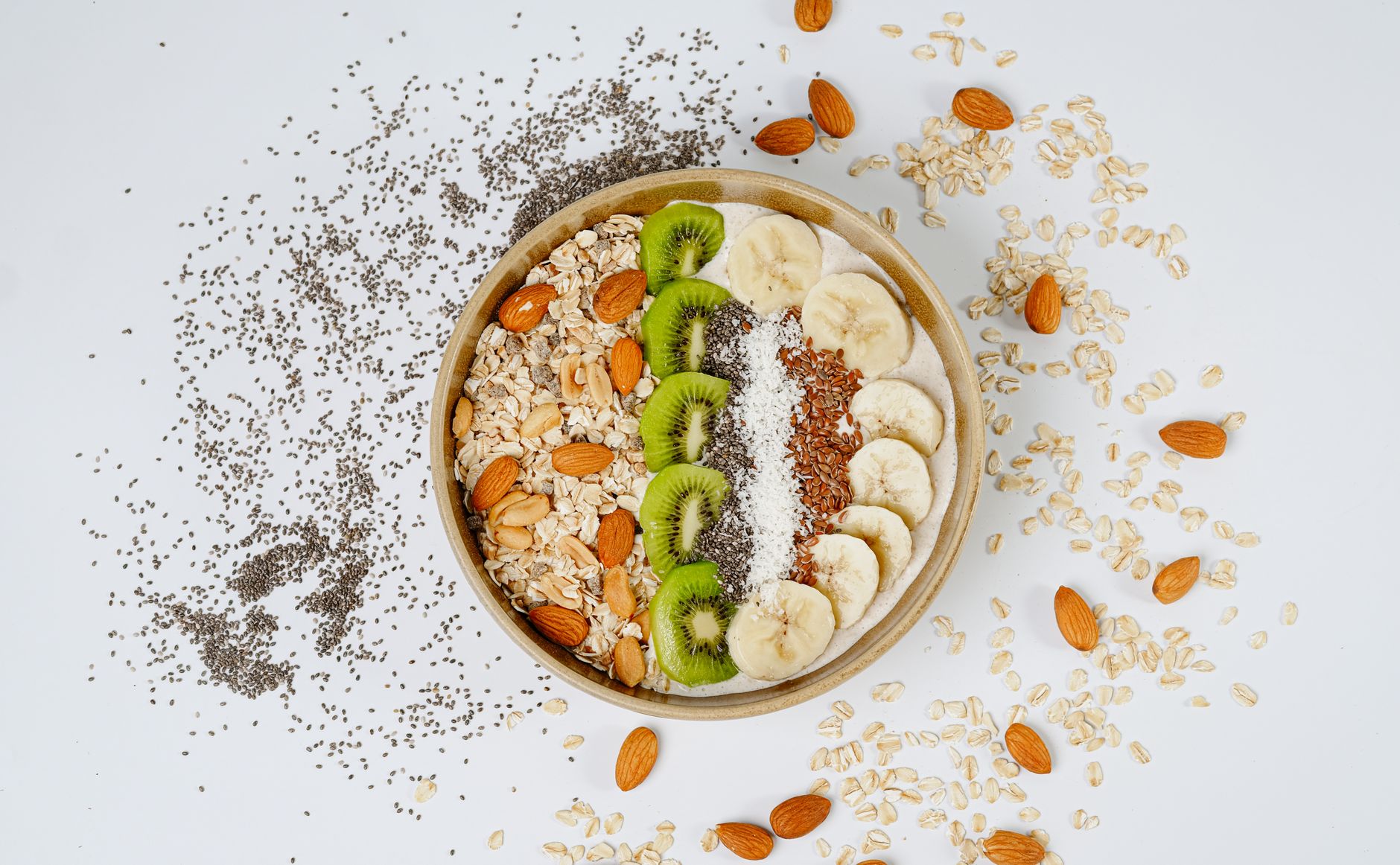
The nutritional density requires only a modest daily investment.
Experts like Jackie Newgent recommend capping intake at two tablespoons per day. This measured dose provides ten grams of dietary fiber. It is a highly efficient method for meeting daily roughage requirements without extreme consumption.
Beyond mere digestion, the seed acts as a potent anti-inflammatory agent. Dietitians point to a dense concentration of omega-3 fatty acids and polyphenols like quercetin and rosmarinic acid. These compounds actively neutralize cellular free radicals. A 2022 scientific review linked these specific antioxidants to a significantly reduced risk of colorectal, liver, and pancreatic diseases.
The clinical evidence supporting this ingredient remains absolute.
The recent clinical data deserves much closer inspection. A 2024 study published in Prostaglandins and Other Lipid Mediators evaluated 835 individuals. The results demonstrated a notable drop in dangerous triglyceride levels.

Researchers observed these cardiovascular benefits regardless of the exact dosage. Participants consuming both above and below the 35-gram threshold experienced measurable drops in LDL cholesterol. It proves that massive consumption is not a prerequisite for physiological improvement. The human body responds perfectly to consistent, moderate exposure to the seed's complex lipid profile.
Daily consistency firmly outranks sheer volume in nutritional science.
Dietitian Keri Gans emphasizes the role of these specific fats. The concentrated omega-3s actively lower systemic inflammation. This biological mechanism directly correlates with a reduced risk of catastrophic cardiac events over time.
Incorporating the ingredient into a daily routine requires minimal culinary skill. National media spokesperson Melissa Mroz-Planells suggests whisking them into salad dressings or folding them into coleslaw. They provide an immediate thickening effect. You can also bypass the gel texture entirely by scattering the dry seeds over cooked rice dishes for an unexpected structural crunch.
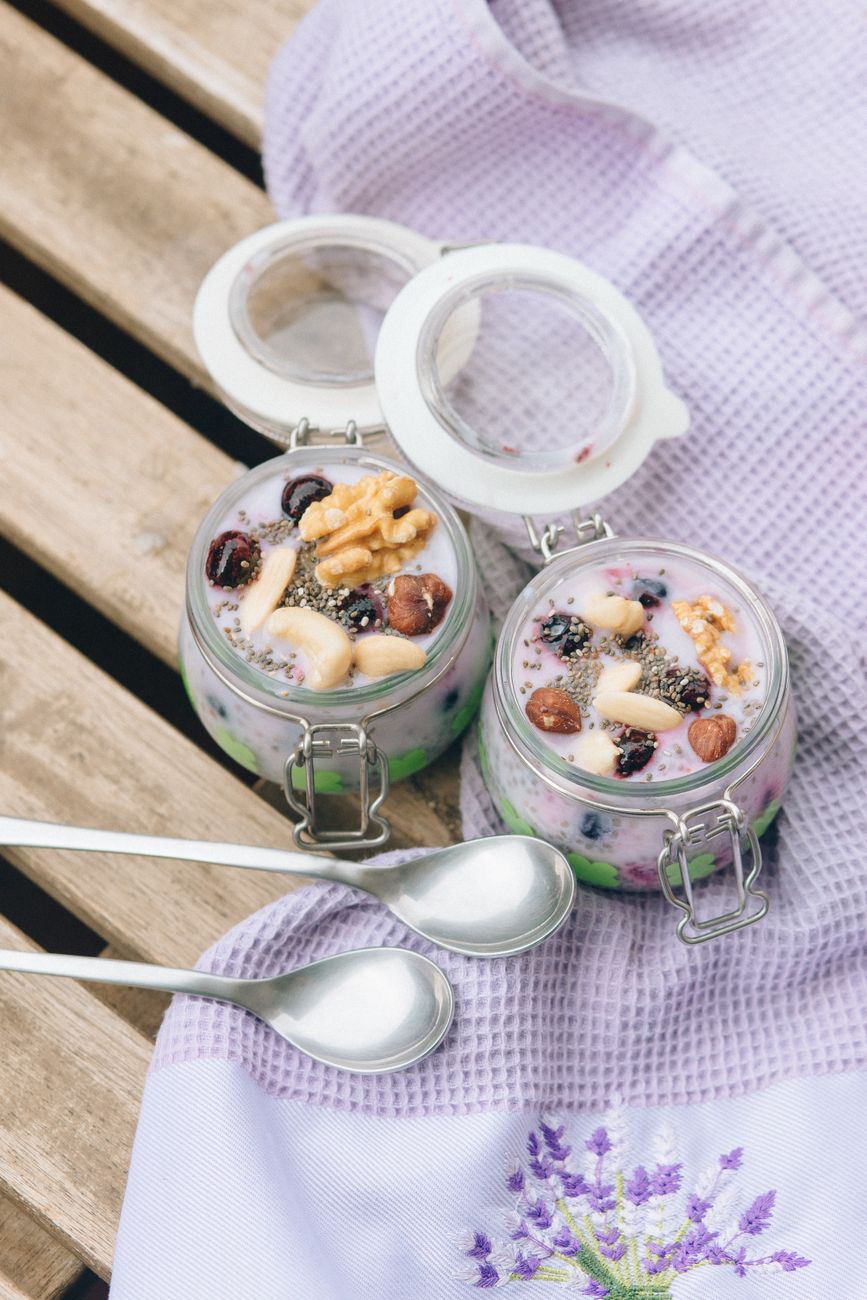
The daily kitchen applications extend far beyond a basic breakfast bowl.
Preparation methods heavily dictate the ultimate culinary experience. Nutritionist Christy Brissette utilizes the mucilage property to her distinct advantage in baking. A precise water ratio creates an incredibly effective binding agent.
Let us examine the specific structural bone density benefits. The USDA notes a dense concentration of vital minerals. Phosphorus, magnesium, and calcium work in tandem within the human skeletal system. Research published in Biomolecules highlights this exact mineral combination as essential for maintaining bone strength. It is a vital asset for aging demographics looking to preserve mobility.
The overall micro-nutritional yield is genuinely impressive here.
There are necessary medical caveats to consider before heavy integration. Dr. Danbee Kim notes that high concentrations of phytic acid can interfere with mineral absorption. The seeds might also dangerously amplify the effects of prescribed blood pressure medications.
Frequently Asked Questions
Why should I grind my chia seeds?
Grinding breaks down the tough outer seed coat. This improves the bioavailability of essential minerals like zinc and calcium while preventing a slimy texture in your food. It also reduces the likelihood of bloating and gas.
Can eating dry chia seeds cause a stomach blockage?
Yes. Dry chia seeds rapidly absorb liquid and expand significantly. If consumed in large quantities without adequate hydration, they can form a gel-like mass that blocks the gastrointestinal tract.
How much chia seed should I eat daily?
Nutrition experts recommend consuming roughly one to two tablespoons per day. This portion provides an optimal amount of dietary fiber and protein without overwhelming the human digestive system.
Do chia seeds interact with prescription medications?
Chia seeds can amplify the effects of blood pressure medications and blood thinners. The high phytic acid content may also interfere with the absorption of supplemental minerals. You must consult a doctor if you take these medications.
Are chia seeds a complete protein?
Yes. They contain all nine essential amino acids required by the human body for energy production and immune function. This makes them a highly efficient plant-based protein source.
What is the best way to use chia seeds in vegan baking?
You can use them as a highly effective egg substitute. Mix one tablespoon of seeds with three tablespoons of water and let the mixture sit for five minutes until it forms a thick binding gel.