
Finding the healthiest way to drink tea is an essential pursuit for modern longevity. The morning ritual of boiling water is a global constant, but we often overlook the underlying science. Recent clinical data elevates this quiet practice into a highly measurable tool for extending our lifespans. We are looking at a masterclass in vascular protection and daily heart health.
Precision dictates the outcome of our daily habits. The stark difference between a comforting beverage and a clinical benefit lies entirely in the execution.
A monumental study published in the Journal of Internal Medicine on October 21, 2026, examined this exact dynamic. Researchers observed nearly 486,000 adults in China over an average of nine years. They tracked vascular diseases with exacting detail. The data revealed that habitual tea drinkers enjoyed an eleven percent lower risk of conditions affecting the heart and blood vessels.
The findings completely shift our perspective on the beverage.
Dr. William Shutze is a vascular surgeon at Texas Vascular Associates. He equates the human vascular system to an intricate network of expressways. Blockages from plaque and cholesterol lead to severe consequences like stroke, pulmonary embolism, or limb loss.

Protecting those biological expressways requires specific chemical compounds. Tea leaves originate from the Camellia sinensis plant. Naturopathic doctor Erin Duffy Stokes notes that these leaves are dense with polyphenols. Catechins are the specific flavonoids doing the heavy lifting here. They actively support the physical integrity of your blood vessels with every single sip.
The scale of the Chinese study cannot be overstated. Following nearly half a million people for almost a decade provides a staggering amount of data. The researchers recorded over fourteen thousand cases of cardiovascular and cerebrovascular events. This allowed them to filter out statistical noise. They pinpointed exact behaviors that lead to reduced blood flow through the arteries.
The sheer volume of data completely validates the tradition. Science has finally caught up to the habits of our ancestors. We now have a biological blueprint for how these ancient leaves operate.
Translating this science into a daily routine requires four strict rules of preparation.
The first mandate concerns volume. The study identified the lowest risk among weekly drinkers who consumed six to eight cups daily. This sounds intimidating for the casual drinker. Stokes clarifies that you can still extract measurable cardiovascular benefits from just two to three cups a day.
The choice of leaf also changes the mathematical probability.
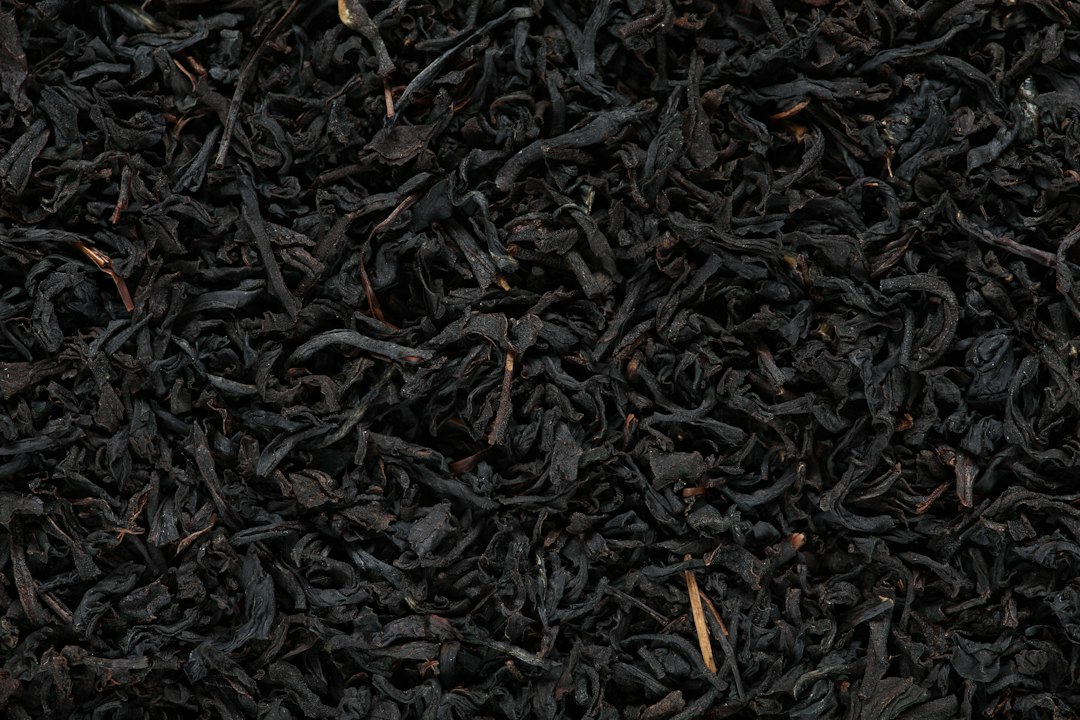
Black tea emerged as the superior choice for consistent vascular protection. This variety undergoes a deliberate oxidation process. The leaves darken in the air before drying. Dr. Shutze explains that this chemical alteration creates unique natural substances. These substances affect blood vessels in their own distinct way. Green tea still offers protection, but black tea demonstrated a more reliable clinical association.
Temperature control is the third critical factor. The researchers documented a stark warning regarding heat. Consuming burning hot tea actually elevates your risk of vascular disease.
Heat damages the delicate tissue of the throat and esophagus. You must let the water cool before taking your very first sip.
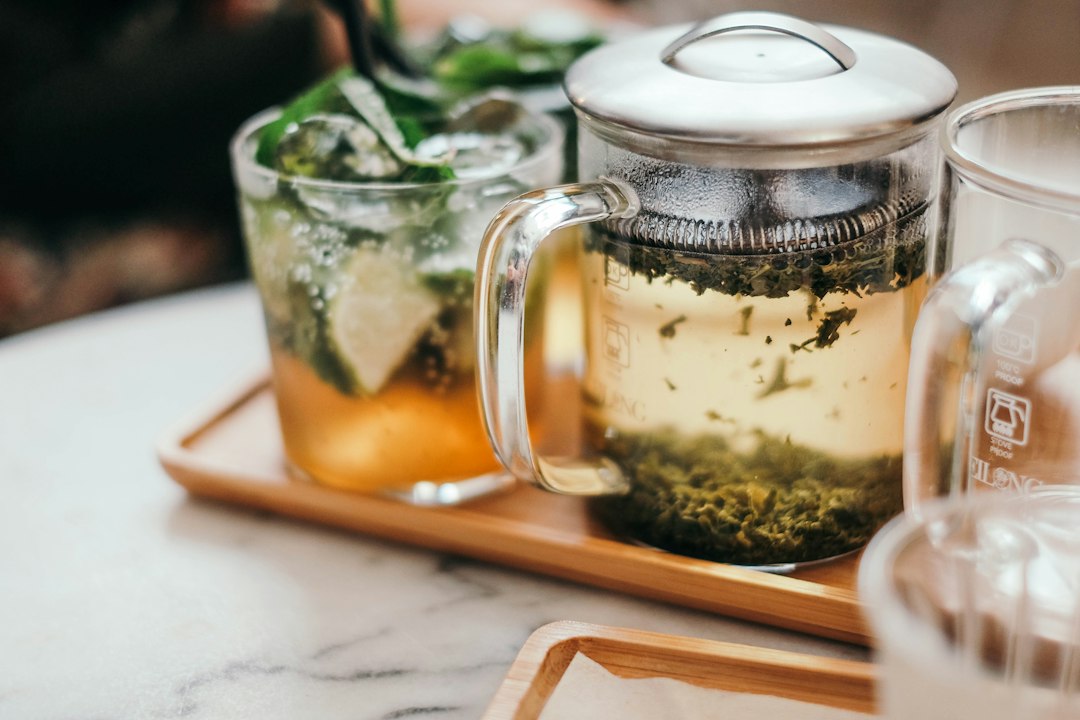
Proper steeping requires a thermometer. Green tea is highly sensitive to boiling water. It performs best when steeped between 160 and 185 degrees Fahrenheit. Black tea can tolerate temperatures closer to 200 degrees. Precision prevents the destruction of those valuable catechins. Treat the brewing process with the exact same respect you would give to pulling a shot of fine espresso or decanting a vintage wine.
The final rule demands strict attention to the clock. Do not walk away.
Oversteeping degrades the beneficial compounds hidden within the leaves. Stokes advises capping green tea at three minutes. Black tea should never steep for more than four minutes. Moderate strength tea was associated with the lowest health risks in the comprehensive Chinese study.
Context matters immensely. Tea consumption does not exist in a vacuum. It is usually part of a broader lifestyle pattern.
Dietitian Leah Murnane suggests that habitual tea drinkers often make better overall wellness choices. The joint analysis of the study data confirmed this reality. The absolute lowest risk of vascular disease appeared in a very specific group. These individuals combined regular tea consumption with high physical activity and a strict avoidance of smoking. It is a holistic equation.
A single habit cannot erase a foundation of poor choices.
The modern wellness market is flooded with synthetic supplements claiming to fix our circulation. Consumers spend billions chasing the promise of longevity in a plastic bottle. Yet this rigorous study points us back to an agricultural product that costs pennies per serving. The true luxury lies not in the price of the intervention but in the discipline required to execute it correctly every single day.
True sophistication is found in the mastery of simple things. Tea requires your absolute focus.
We must view tea as a catalyst rather than a cure. The daily ritual forces us to pause and reflect. That brief moment of stillness might be just as vital to our hearts as the flavonoids swirling in the cup.
The evidence is now undeniable. Proper brewing technique transforms a humble leaf into a powerful shield against vascular disease.
Frequently Asked Questions
How many cups of tea should I drink daily for heart health?
Research suggests six to eight cups daily provides the lowest risk for vascular disease. However, you can still gain significant cardiovascular benefits from drinking just two to three cups a day.
Is black tea or green tea better for your heart?
Both types offer cardiovascular protection due to high levels of polyphenols and catechins. Black tea demonstrated a more consistent association with lower vascular disease risk in recent clinical studies.
What is the ideal temperature for brewing tea?
You should never use boiling water for green tea. It is best steeped between 160 and 185 degrees Fahrenheit. Black tea requires hotter water and can tolerate temperatures around 200 degrees.
Does drinking very hot tea cause health problems?
Yes. Studies show that consuming burning hot tea elevates your risk of vascular disease. You must always allow your beverage to cool slightly before drinking to protect your delicate tissues.
How long should I steep my tea bag?
Oversteeping degrades the beneficial compounds in the leaves. Green tea should steep for no more than two to three minutes. Black tea requires exactly three to four minutes of steeping time.
Can tea cure peripheral artery disease?
Tea is not a cure for any medical condition. It is a preventative dietary habit that supports general vascular health. Severe blockages require medical intervention from a qualified vascular surgeon.