The modern wellness routine has become a highly curated exhibition of expensive glass bottles and minimalist supplement capsules. We treat our digestive systems like sterile laboratories rather than living ecosystems. The wellness industry has successfully marketed the illusion that a daily pill can outsmart a poor diet. It is a very profitable and very persistent fiction.
The reality is far less glamorous but infinitely more effective. True gut health requires the foundational elements of real food.
Dietitian Avery Zenker recently dismantled the probiotic supplement myth with refreshing clarity. She noted that swallowing a capsule does not guarantee those bacteria will actually survive and thrive in your gut. Many premium supplements are essentially delivering dead cultures by the time they reach your stomach. Microbiome-friendly foods must be the foundational strategy.
The dietary solution is both elegant and remarkably simple.
Zenker identifies six specific fermented foods that provide reliable natural sources of living bacteria. These are the raw materials your body actually recognizes and knows exactly how to process efficiently.
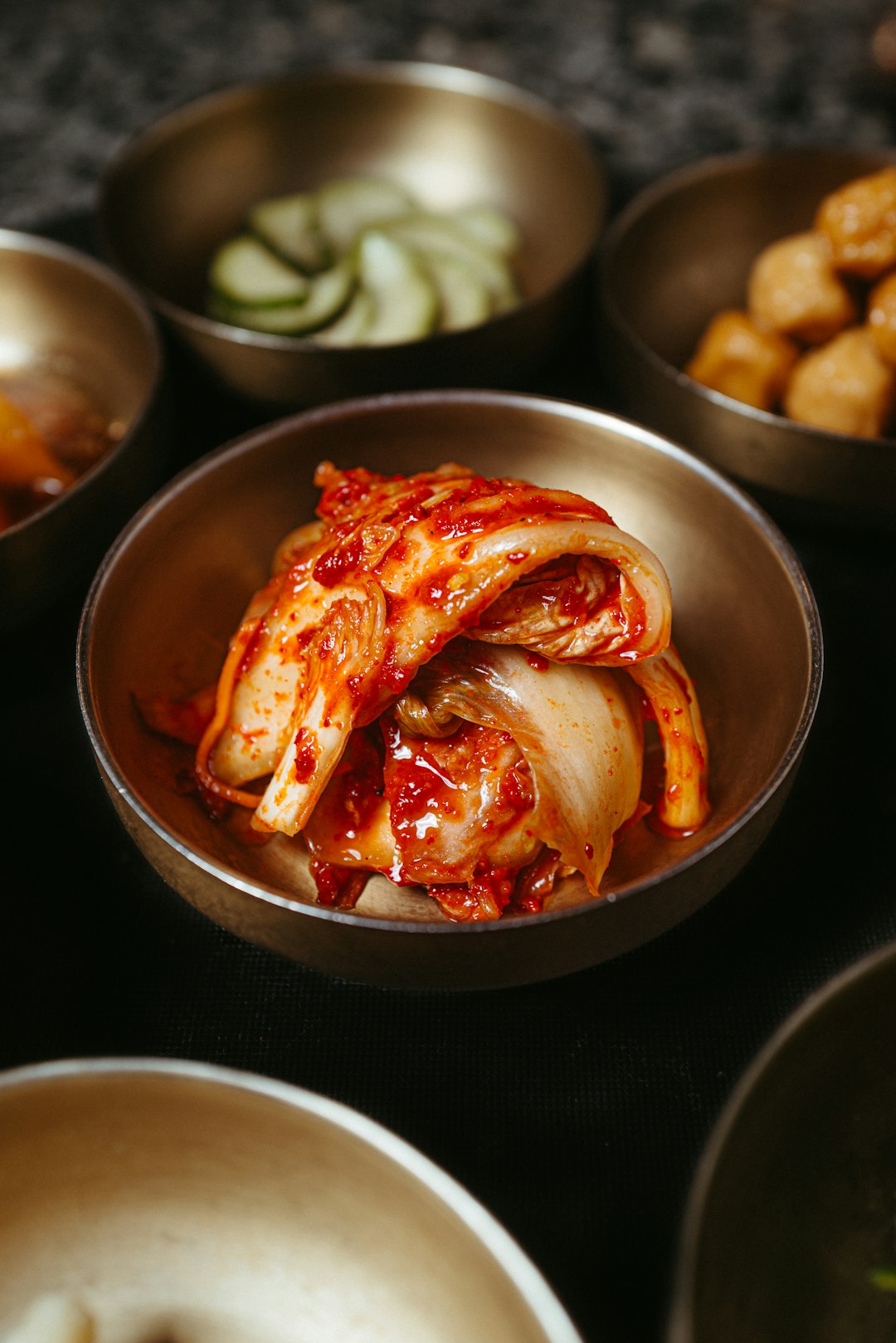
Sauerkraut and kimchi lead this dietary shift. Authentic sauerkraut is fermented with naturally occurring lactic acid bacteria. You must avoid the commercial varieties soaked in vinegar or wine. Kimchi offers a more complex flavor profile by fermenting cabbage with chili, spring onion, and ginger. Both introduce vital living microbes directly into your digestive tract.
Tempeh provides an Indonesian staple made from fermented soybeans. It delivers a substantial fifteen to twenty grams of protein per serving.
Liquid ferments are equally critical to this natural approach. Kefir is a fermented milk drink created through the addition of live grains. It initiates a robust fermentation process that consumes milk sugars. Miso paste utilizes a Japanese mold culture called koji to ferment soybeans. It adds deep umami flavor to broths while delivering a potent dose of beneficial flora.
Boiling heat will instantly destroy these living cultures.
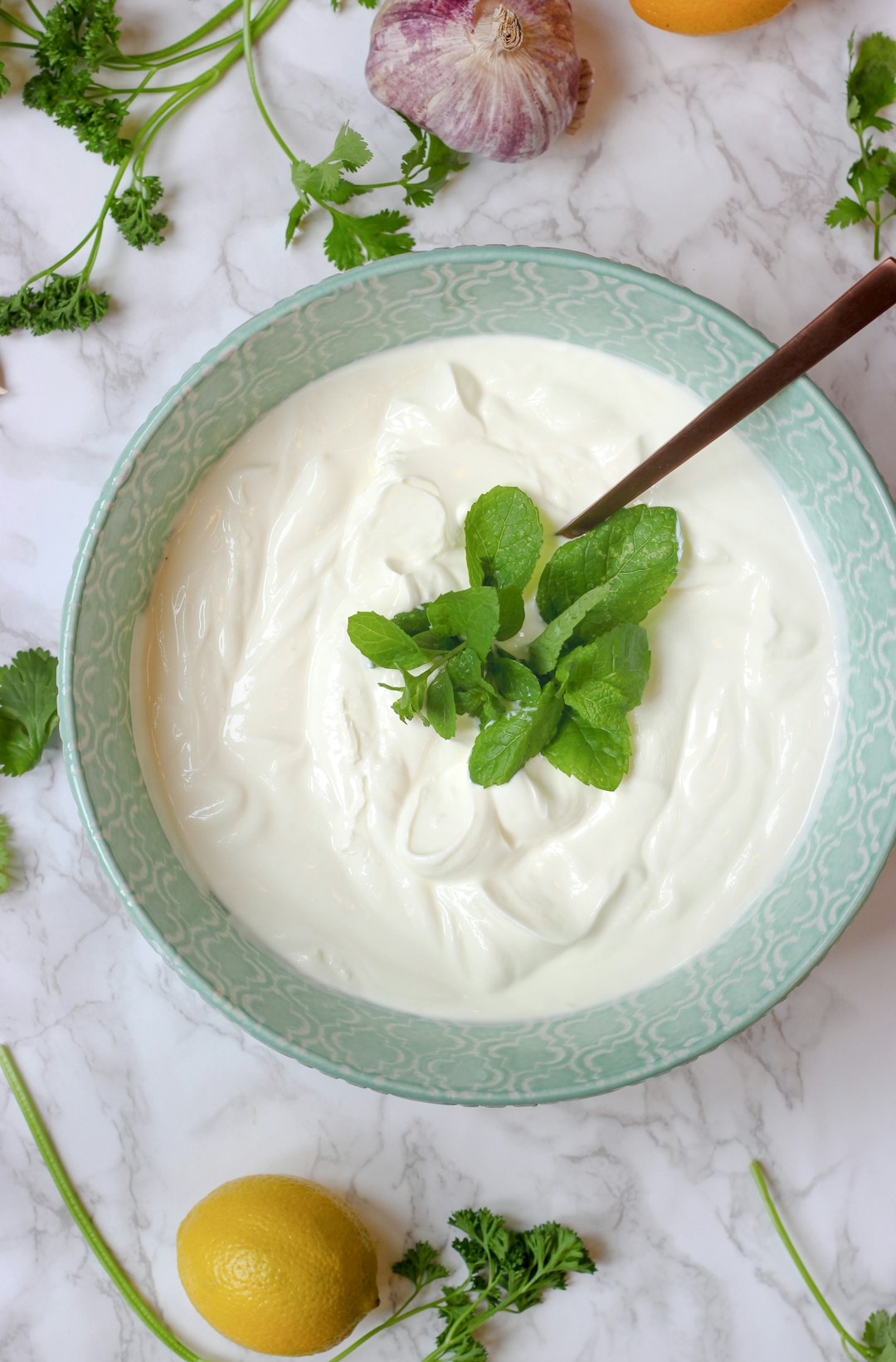
Plain unsweetened yogurt rounds out the essential list. The milk is cooked before fermentation begins. You must verify that active cultures are explicitly listed on the ingredient label to ensure clinical efficacy.
The market context reveals a deeper layer to this nutritional pivot. Nutritionist Jo Woodhurst emphasizes the emerging science of postbiotics. These are the crucial residues left behind after your body digests prebiotics and probiotics. A varied diet creates a smarter postbiotic landscape than any isolated supplement could ever hope to replicate in a laboratory setting.
Your gut functions like a complex garden. Probiotics are the plants. Prebiotics are the essential nutrients that feed them.
You cannot force this ecosystem to adapt overnight. Introducing new bacteria to your digestive system too quickly will cause immediate physical discomfort. Zenker advises starting with incredibly small portions. A single tablespoon of sauerkraut or a brief splash of kefir is entirely sufficient for beginners. You must slowly build your tolerance to these powerful foods.
The final verdict on gut health is clear and undeniable.
Dietary supplements certainly have their place in acute medical situations. They simply should not replace the fundamental building blocks of a healthy diet. Real food remains the ultimate luxury in modern wellness.
The commercial supplement market has thrived on consumer anxiety. We purchase expensive biotic blends hoping to cure systemic inflammation and metabolic dysfunction. Yet the true secret lies in how our internal microbes interact with fibrous plant compounds. Dysbiosis occurs when this delicate balance is disrupted by processed diets and an overreliance on synthetic aids.
Postbiotics regulate immune responses and strengthen the gut barrier. They are the chemical messengers of your internal system.
There are moments when clinical intervention is genuinely required. Woodhurst acknowledges that targeted postbiotic supplements are necessary after a heavy course of antibiotics or during periods of extreme physiological stress. Some modern formulations utilize heat-inactivated bacteria that remain biologically active. These are inherently stable and highly effective.
Authentic wellness consistently ignores the easy quick fix.
The modern consumer must return to the traditional methods of food preparation. Fermentation is an ancient craft that science is only now fully understanding. It is time to clear the medicine cabinet and fill the pantry.
Frequently Asked Questions
Why do dietitians recommend fermented foods over probiotic supplements?
Taking a probiotic supplement does not guarantee that the bacteria will survive the digestive process and thrive in the gut. Fermented foods provide a natural, resilient source of living bacteria along with foundational dietary fiber.
Can I heat kefir or miso paste before eating them?
No. Heating fermented products like kefir or miso paste will kill the beneficial bacteria. You should always add them to your meals after the cooking process is complete.
Are dairy-free yogurts and kefirs effective sources of probiotics?
Yes. Dairy-free versions of kefir and yogurt still count as valid probiotic sources. You simply need to ensure that the product label explicitly mentions the inclusion of active cultures.
Why is vinegar-based sauerkraut bad for gut health?
Sauerkraut made with vinegar or wine is pickled rather than fermented. This means it lacks the naturally occurring lactic acid bacteria required to provide any genuine probiotic benefits.
What are postbiotics?
Postbiotics are the beneficial organic residues left behind after your body digests prebiotics and probiotics. They play a critical role in regulating immune responses, reducing inflammation, and strengthening the gut barrier.
How much fermented food should I eat when starting out?
You should begin with very small portions to avoid upsetting your stomach. A single tablespoon of sauerkraut or a few spoonfuls of kefir is the ideal starting point before gradually increasing your daily intake.