
We sit in a sunlit corner of a bustling Parisian cafe on a Monday afternoon, contemplating the profound influence of the gut-brain axis. The espresso is perfectly brewed, yet an undeniable cognitive haze settles over the table. We instinctively blame the lack of sleep or the endless influx of emails. The reality is far more biological. The culprit is likely residing in our digestive tract.
The gut-brain connection is no longer an abstract wellness concept whispered in boutique fitness studios. It is hard, verifiable science. According to a landmark study published in Current Biology on April 30, 2026, the communication between our microbiome and our nervous system is both direct and highly specific. Neuroscientists at The Picower Institute for Learning and Memory at MIT have finally mapped out exactly how these complex biological systems interact.
The findings from this particular MIT laboratory are remarkably concrete.
Led by Cassi Estrem and Associate Professor Steven Flavell, the MIT team observed the nematode Caenorhabditis elegans. This tiny transparent worm is a renowned bacterial specialist. It has evolved an incredibly sophisticated nervous system specifically designed to differentiate between nutritious and pathogenic bacteria. The researchers discovered that a specific neuron called NSM projects directly into the organism's alimentary canal to sample food.
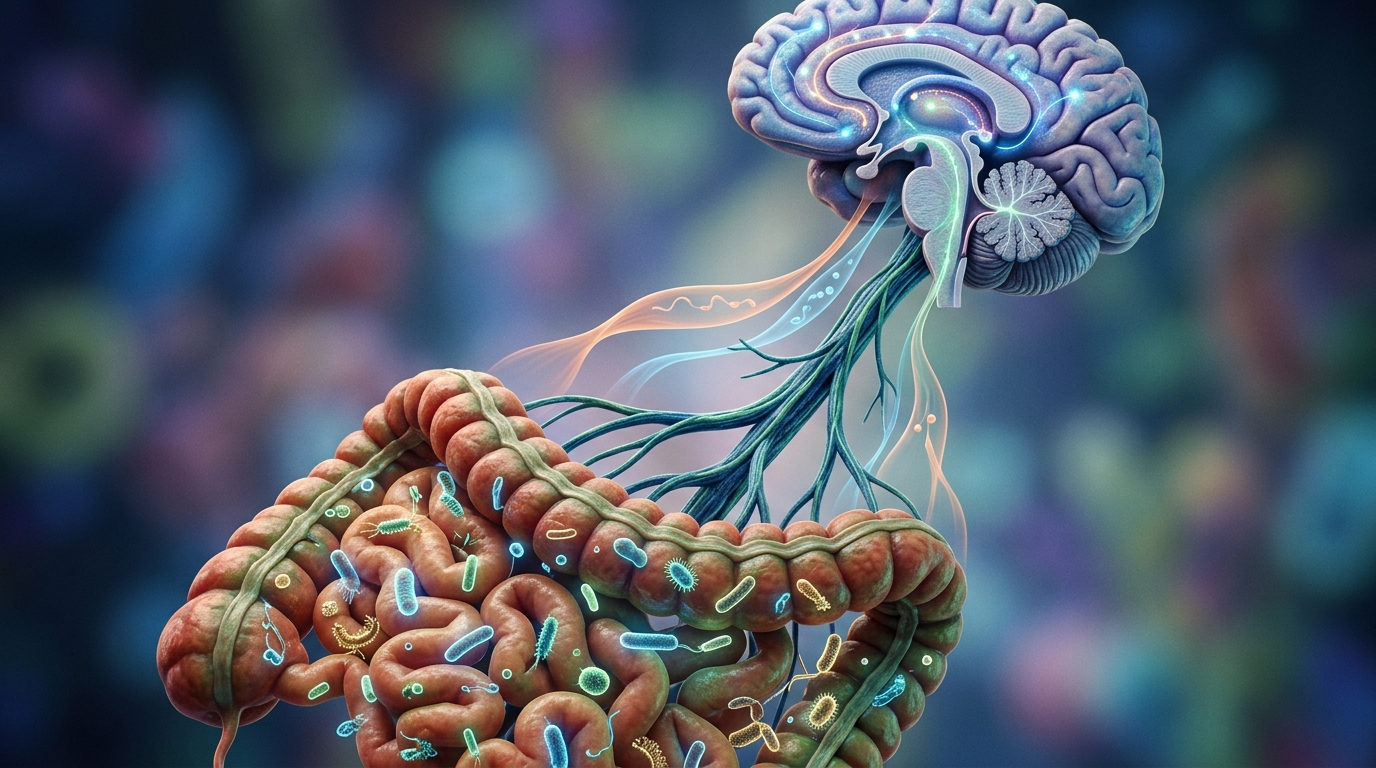
This fundamental biological mechanism is absolutely fascinating to observe.
The NSM neuron uses acid sensing ion channels to detect specific polysaccharide sugars coating various bacteria. When it senses beneficial peptidoglycan in gram-positive bacteria, it releases serotonin. This prompts the organism to slow down and feed. When it detects prodigiosin, a red pigment found in the dangerous Serratia marcescens bacteria, the neuron shuts down. The worm instinctively halts digestion to protect its internal ecosystem.
Flavell notes that these pathways are not limited to microscopic worms. The exact molecular players identified in this MIT research are present in mammals. Achieving a fundamental mechanistic understanding of how our own neurons interact with our gut bacteria paves the way for targeted therapeutic interventions.
The commercial wellness sector is already responding to these findings.
Human trials are shifting focus toward subclinical psychological symptoms like mild stress and low mood. A recent Brain Sciences study by ADM Health and Wellness examined the effects of specific bacterial strains. Researchers administered a blend of live microorganisms, specifically Bifidobacterium longum CECT 7347, to adults experiencing anxiety. While the live blend showed modest trends, a heat-inactivated postbiotic version proved remarkable.

This pilot feasibility study revealed that the inactivated probiotic significantly improved vitality and social functioning scores. Participants also reported noticeable reductions in perceived stress over the trial period. The ADM researchers concluded that these targeted biotic interventions offer a highly accessible approach to mental well-being.
NutriScience Innovations is pushing the boundaries of this research even further.
Their latest ingredient is a direct butyrate generator called ButyraGen. This patent-pending complex of tributyrin and a specialized prebiotic fiber blend recently underwent a six-week clinical trial. The compelling results were published in Nutrition and Dietary Supplements. Participants experienced a nearly thirteen percent reduction in fearfulness. Men in the study were twice as likely to achieve clinically meaningful reductions in general anxiety.
Chief Science Officer Dr. Edward Dosz explains that generating butyrate directly from tributyrin delivers benefits that bypass simple digestion. Butyrate is a short chain fatty acid known to cross the blood-brain barrier. It can influence neuroinflammation and neurotransmitter synthesis directly within the brain.
Mental clarity is clearly no longer just a matter of sheer willpower.
Understanding this bidirectional communication network allows us to optimize our daily routines. The formulation of our diets directly dictates the sharpness of our minds. We must curate our internal ecosystems with the exact same precision we apply to our outward aesthetics.
Frequently Asked Questions
What is the gut-brain axis and how does it affect mental clarity?
The gut-brain axis is the bidirectional communication network linking your digestive tract and your central nervous system. Bacteria in your gut produce neurotransmitters like serotonin which directly influence your mood and cognitive focus. An imbalance in this system often results in brain fog and fatigue.
How did the recent MIT study explain gut-brain communication?
Researchers at MIT studied a nematode called C. elegans to observe how neurons detect specific bacteria. They discovered that a specialized neuron uses acid sensing ion channels to identify polysaccharide sugars on bacteria. This detection triggers serotonin release and alters the organism's behavior.
What are postbiotics and how do they differ from probiotics?
Postbiotics are heat-inactivated preparations of bacterial strains. Unlike live probiotics, they are non-viable microorganisms that still confer health benefits. Recent studies indicate they offer better stability and can significantly improve vitality and perceived stress.
What is ButyraGen and how does it improve cognitive health?
ButyraGen is a specialized complex of tributyrin and prebiotic fiber developed by NutriScience Innovations. It is designed to directly generate butyrate in the body. Butyrate is a short chain fatty acid that crosses the blood-brain barrier to regulate mood and reduce neuroinflammation.
Can targeted biotic interventions help with subclinical anxiety?
Yes. Clinical trials involving specific strains like Bifidobacterium longum CECT 7347 have shown promise in modulating the body's stress response. These interventions offer a safe and accessible approach for individuals experiencing mild stress and low mood before they require medical treatment.