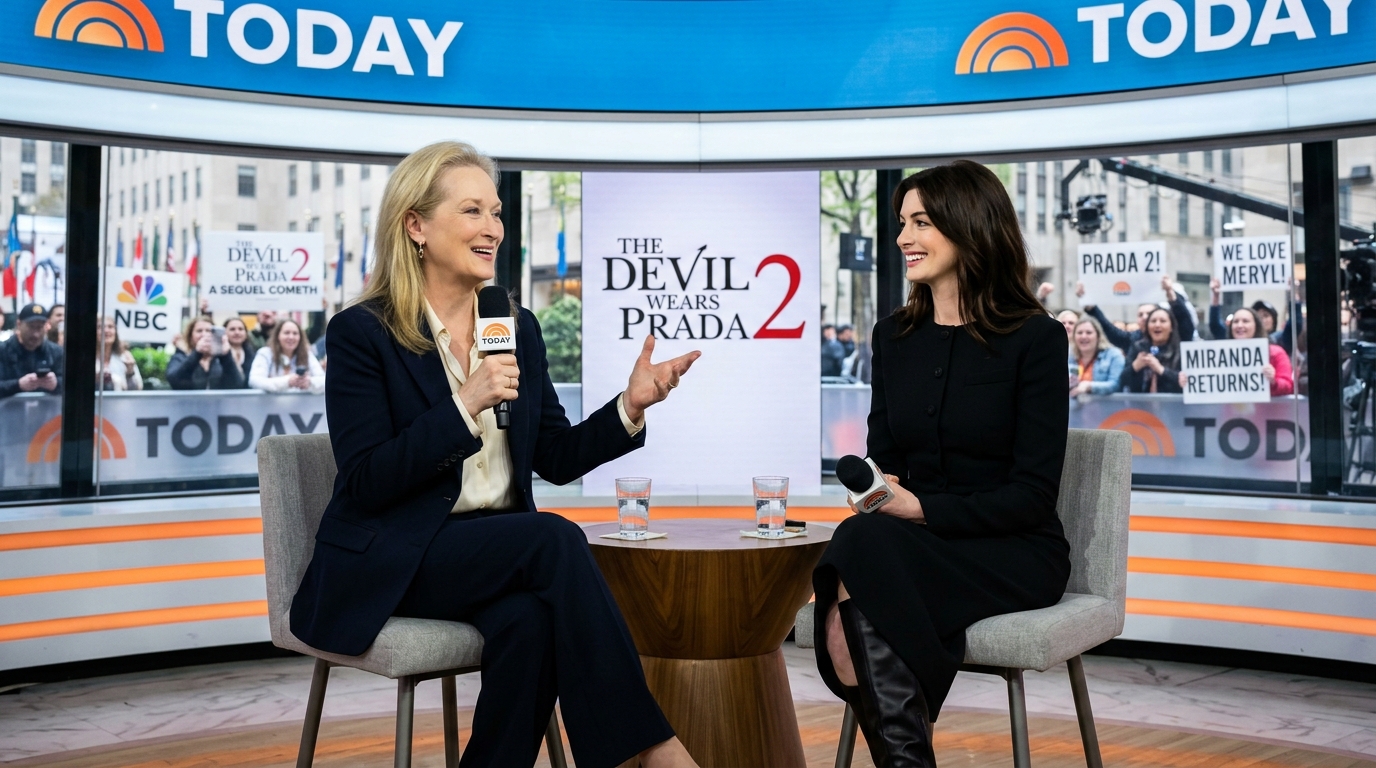
The anticipation surrounding "The Devil Wears Prada 2" has reached a fever pitch this week. The cast gathered on the Today show on April 29 to discuss the highly anticipated sequel. It was here that a fascinating piece of Hollywood history finally came to light.
Meryl Streep was entirely prepared to walk away from Miranda Priestly.
The veteran actress admitted that she initially rejected the offer for the original 2006 film. She had read the script and understood its immense potential. She knew it would be a massive commercial success. Yet she chose to decline because the initial compensation did not match her perceived value to the production. She was 56 years old and seriously contemplating retirement.
Then she decided to make a rather unprecedented counteroffer.
Streep asked the studio to double her initial salary. They agreed immediately without hesitation. This swift capitulation taught the actress a profound lesson about her own leverage and power in the entertainment industry.
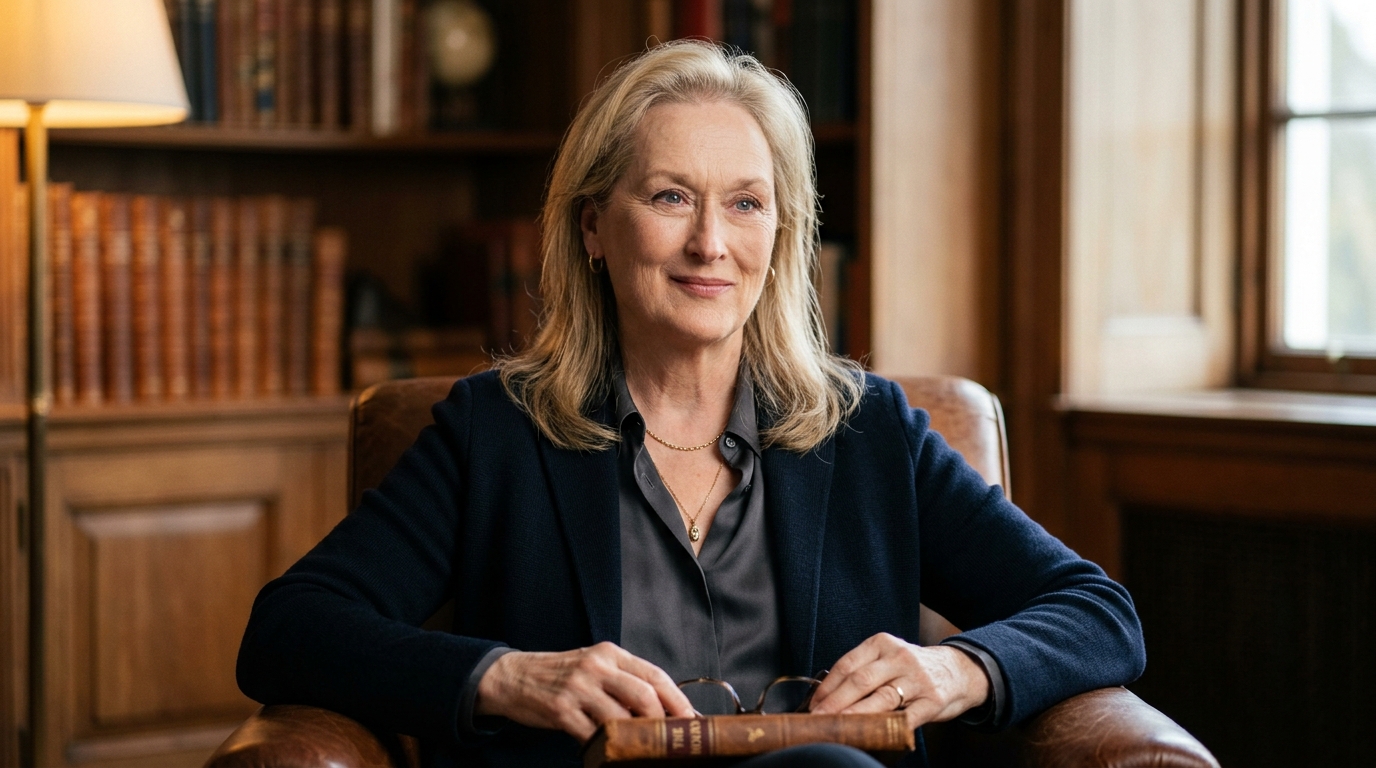
That single negotiation tactic cemented her involvement in a project that grossed over 325 million dollars globally. Her portrayal of the icy editor yielded both a Golden Globe and an Oscar nomination. It also completely revitalized her career trajectory as a dominant box office draw. Subsequent hits like "Mamma Mia!" and "It's Complicated" proved that her decision to delay retirement was financially and artistically shrewd.
The iconic cast finally returns to the silver screen on May 1.
Fans have clamored for a continuation for two decades. The delay was deliberate according to the returning stars. Writer Aline Brosh McKenna needed a narrative framework that moved beyond mere nostalgia. The modern publishing landscape provided that necessary spark.
The sequel confronts the grim realities of contemporary media. Digital transformation and artificial intelligence have completely restructured the journalism industry. Stanley Tucci noted that these technological shifts serve as the inciting incident for the new film. The characters are forced to navigate a collapsing ecosystem while attempting to maintain their professional scruples and personal ethics.
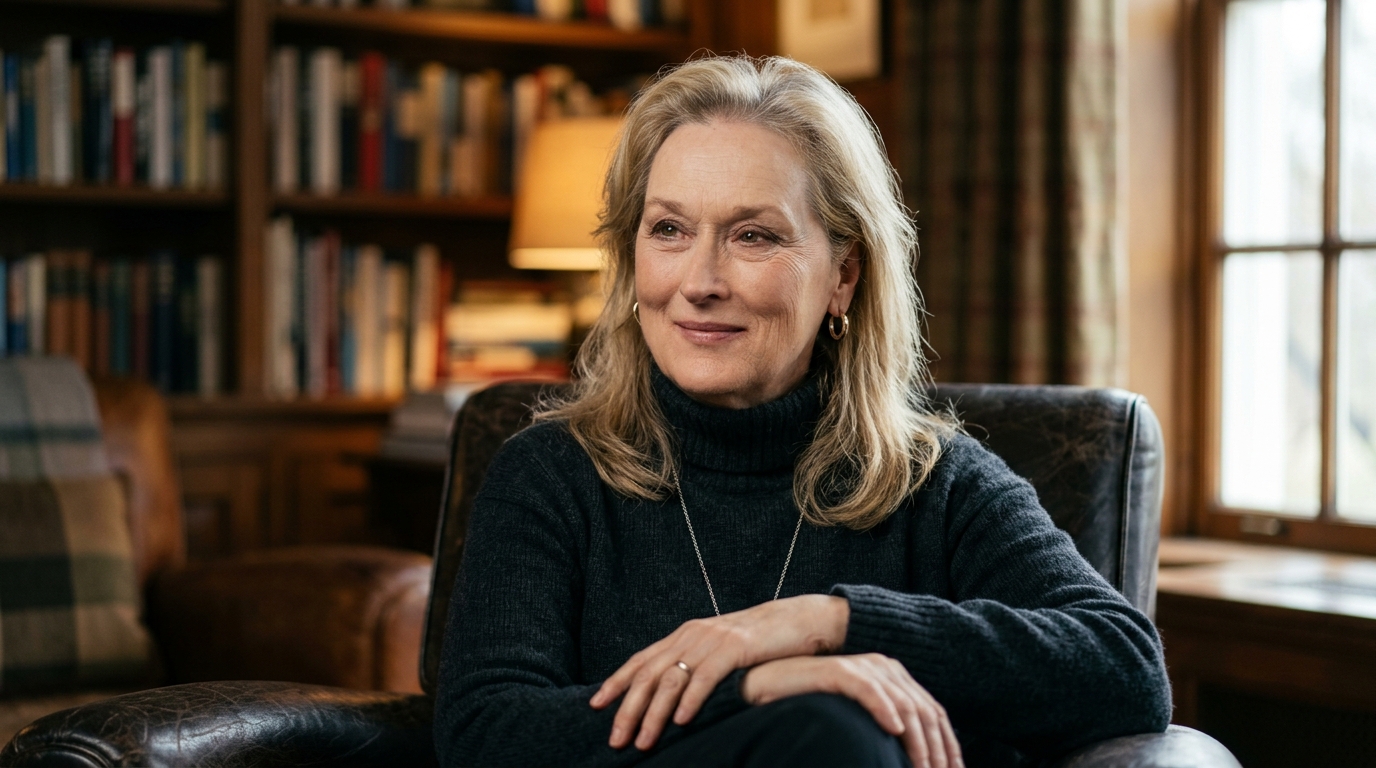
The power dynamics have drastically shifted since we last saw them.
Emily Blunt returns as Emily Charlton. The former first assistant is now a high-powered executive at the luxury house Dior. Blunt describes her character as being in a constant state of outrage. The acquisition of real corporate power has only amplified her chaotic energy.
Anne Hathaway reprises her role as Andrea Sachs. Andy has not become cynical despite the challenges of the last twenty years. She stands firmly by her choice to walk away from Runway magazine. While she may lack the material success of her peers, she has retained her authentic self. Now she is simply looking for a sense of stability in an increasingly unpredictable media environment.
Miranda Priestly enters this new era feeling surprisingly discombobulated.
Streep approached the sequel with a entirely different energy. She discarded the strict method acting techniques she employed during the original shoot. This allowed her to bond freely with her fellow actors on set rather than maintaining an aura of constant fear.
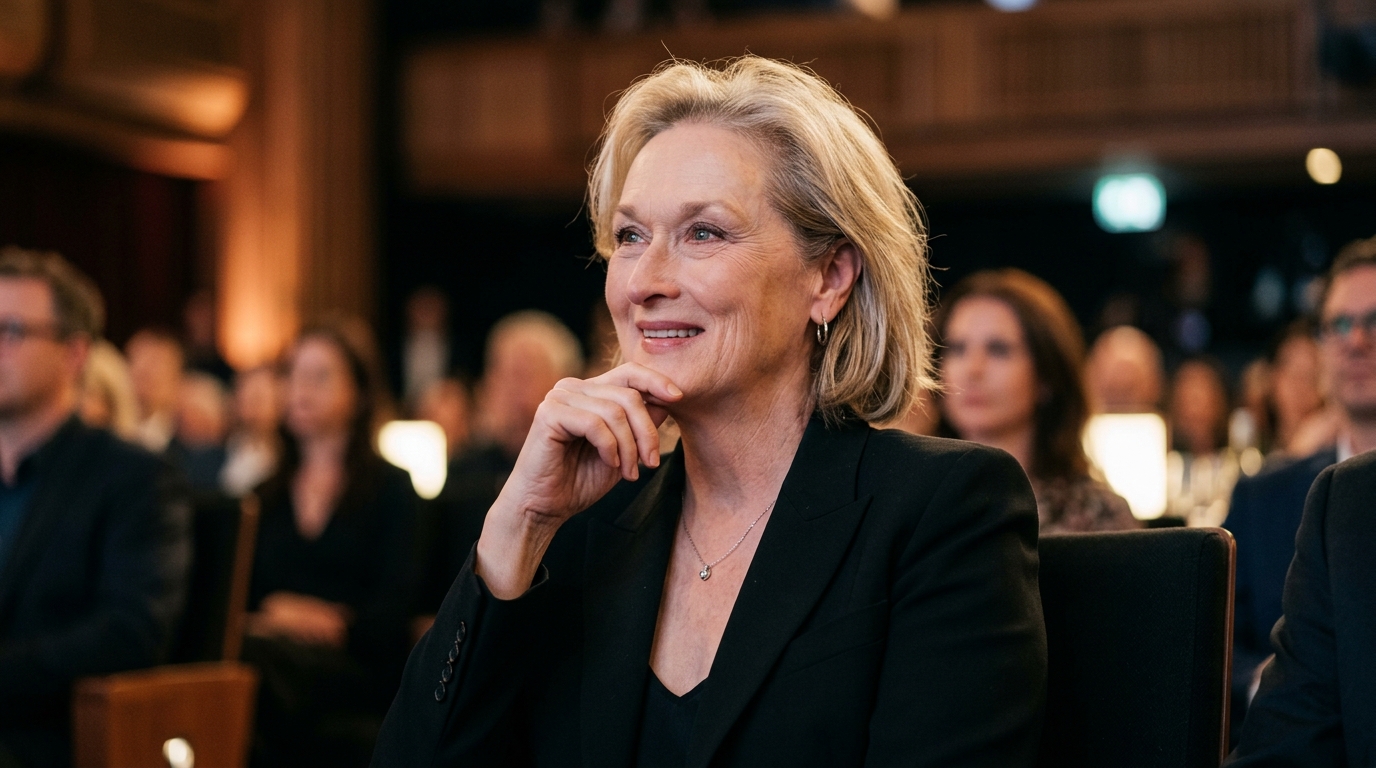
The original film endures because it captured a highly specific moment in fashion history. It crystallized the terror and glamour of the early 2000s print magazine era. The sequel attempts to capture our current anxieties about technology and relevance. It remains to be seen if this new chapter can replicate the lightning in a bottle effect of its predecessor.
The box office receipts this weekend will provide the ultimate verdict.
Fashion enthusiasts are already dissecting the wardrobe choices from early promotional materials. The visual language of power dressing has evolved significantly since 2006. The costume design must reflect this new corporate reality.
Streep remains genuinely mystified by the enduring cultural footprint of the first film. She acknowledges that everyone seems to have a personal origin story related to their first viewing. This deep emotional connection to the material is rare in modern cinema. Audiences are not just buying a ticket for a movie. They are returning to a defining touchstone of their cultural education.
Frequently Asked Questions
When does The Devil Wears Prada 2 come out?
The sequel officially opens in theaters on May 1. This release arrives exactly twenty years after the original film premiered in 2006.
Why did Meryl Streep almost turn down The Devil Wears Prada?
Streep initially rejected the role of Miranda Priestly because she felt the salary offer was too low. She was 56 at the time and ready to retire. She asked to double her pay, and the studio immediately agreed.
Which original cast members are returning for The Devil Wears Prada 2?
All four core cast members are returning for the sequel. This includes Meryl Streep, Anne Hathaway, Emily Blunt, and Stanley Tucci.
What is the plot of The Devil Wears Prada 2?
The sequel focuses on the changing landscape of journalism and the impact of artificial intelligence. Andrea Sachs returns to the orbit of Runway magazine as the characters navigate a collapsing media ecosystem.
Where does Emily Charlton work in the new movie?
Emily Charlton is now a high-powered executive at the luxury fashion house Dior. Emily Blunt describes her character as wielding real corporate power while remaining in a constant state of outrage.
Is Anna Wintour related to Meryl Streep?
Yes. Meryl Streep is actually a distant relative of Vogue editor-in-chief Anna Wintour. Wintour famously served as the real-life inspiration for the character of Miranda Priestly.