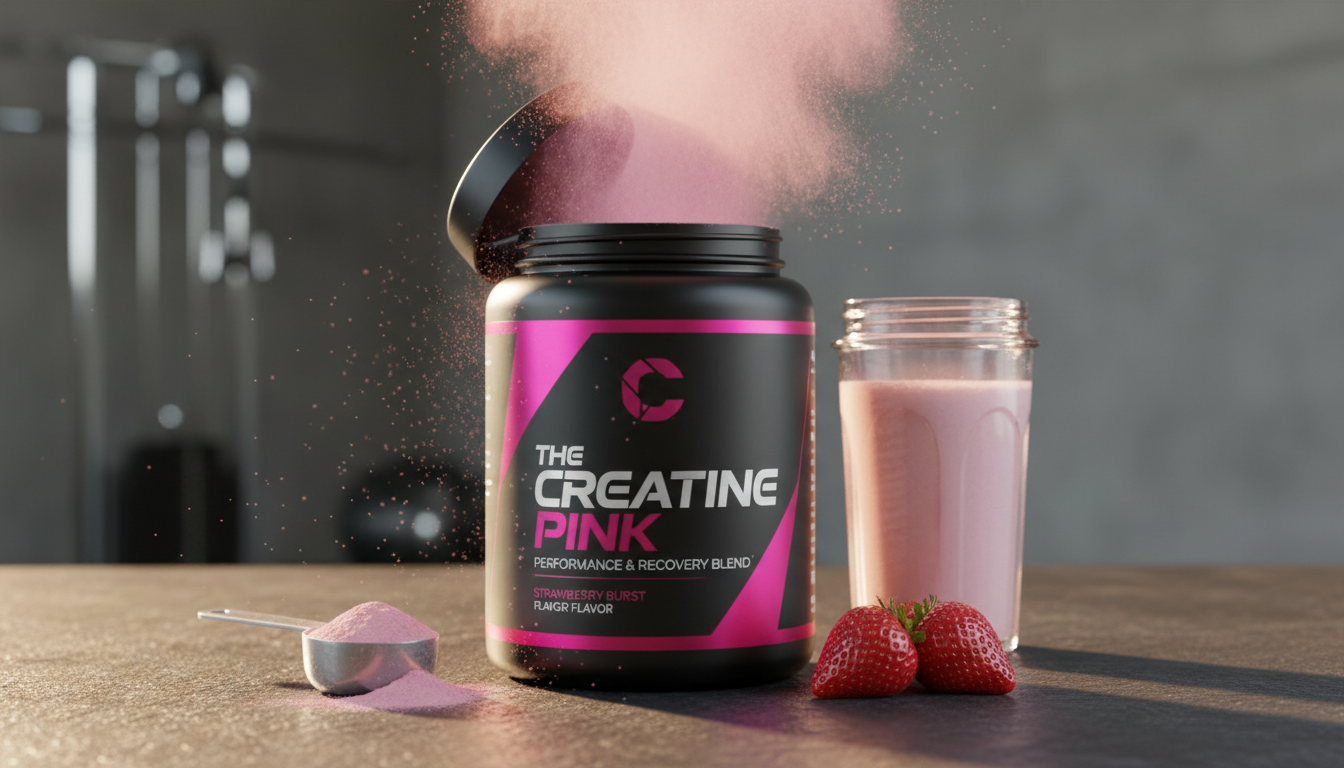
The supplement aisle used to be a wasteland of oversized black tubs and aggressive block lettering. It was a space designed almost exclusively for the "gym bro" archetype. However, a significant shift has occurred in the wellness market. Creatine, once the secret weapon of bodybuilders, has been rebranded as a sophisticated cognitive enhancer for the modern woman. This transition from muscle fuel to "brain gold" has brought a new aesthetic.
Now, women are flocking to the supplement for its ability to combat brain fog and support hormonal health during menopause.
While the benefits for memory and attention are scientifically sound, the pricing strategy is becoming increasingly problematic. Women are often paying up to five times more for the same white powder. A stylishly packaged bottle of 100 percent creatine monohydrate might retail for £34.95. Meanwhile, the exact same compound in a more masculine, utilitarian bag costs just £10.
The definition of the pink tax is found in this exact price discrepancy.
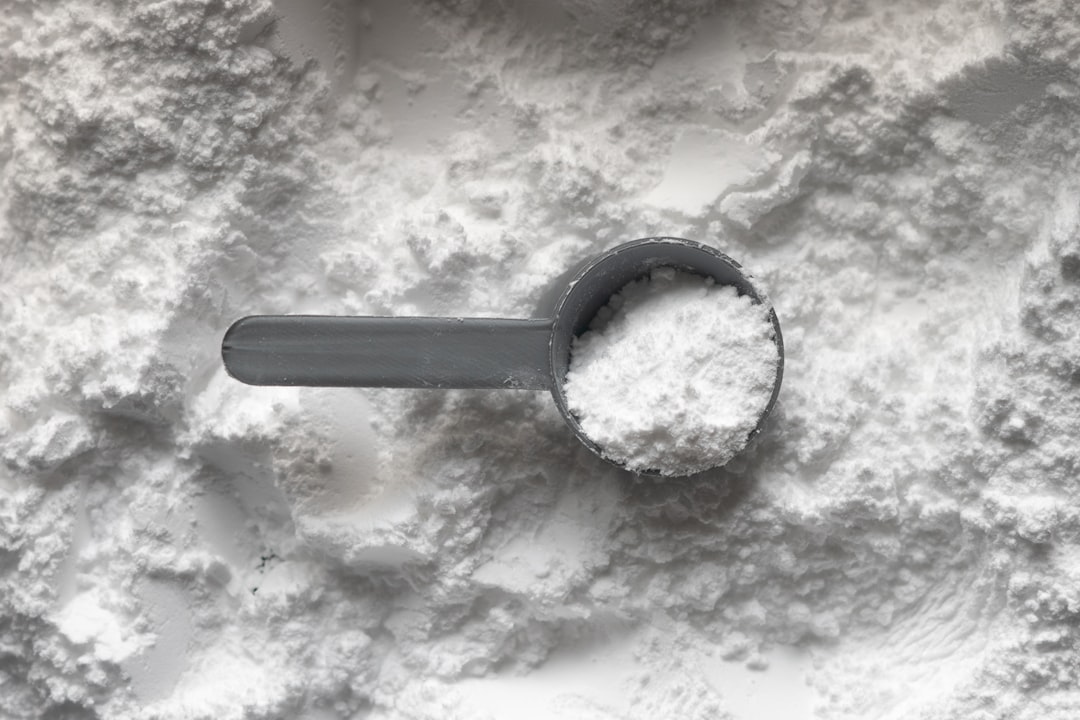
Industry experts like Henry Chung of the University of Essex point out that creatine is a basic scientific compound. It is essentially the same regardless of the label. Like salt, it does not change its nature. There is no biological reason for men and women to take different versions.
The market is reacting to a genuine need. Women lose significant muscle mass during midlife and the perimenopausal transition. The cognitive demands of modern careers and domestic labor require high ATP turnover. Creatine supports this energy cycle in both the muscles and the brain. It is one of the most researched substances in the world.
Brands like Lemme, co-founded by Kourtney Kardashian Barker, have leaned into this by launching creatine gummies. They are marketed as convenient and chic.
The allure of a gummy format or a pastel-hued sachet is undeniable for the woman on the go. Yet, there is a risk in prioritizing form over substance. Some experts warn that gummies may contain significantly less of the active ingredient or include unnecessary fillers and sweeteners. Pure powder remains the gold standard for efficacy. Purity levels should ideally sit at 99 percent. Higher prices often promise "cleaner" versions, yet the physiological difference is often negligible.
Marketing should not be a substitute for transparency in pricing or formulation.
The financial impact is staggering when viewed through a wider lens. UK women already spend an average of £1,800 annually on menopause-related products. Adding a premium for creatine simply because the packaging is "soft" or "empowering" feels exploitative. Curated Beauty and Bare Biology are among the brands attempting to bridge the gap with education. They focus on myth-busting the idea that creatine causes unwanted bulk.
Despite the costs, the trend shows no signs of slowing down. The UK creatine market is projected to reach £70 million by 2030. Global figures are even more impressive. High-profile endorsements from figures like Ciara for Thorne and Kris Jenner for Lemme have solidified its status as a luxury staple. It is no longer just about the gym. It is about longevity and mental clarity.
The narrative has shifted from "bulking up" to "powering through." This language resonates deeply with a demographic that feels chronically overstretched.
The verdict for the discerning consumer is clear. While the aesthetic of a wellness brand may fit more seamlessly into a curated bathroom cabinet, the contents are rarely superior to the budget-friendly alternatives. One can find the same 5-gram daily dose in the men's nutrition aisle for a fraction of the cost. Sophisticated shoppers should look past the gradient colors and focus on the ingredient list.
A product is not more effective simply because it is marketed as an "it-girl" essential.
Ultimately, the rise of creatine among women is a positive step for health and performance. It addresses a long-neglected demographic in sports science. However, the price of admission for women should not be inflated by the clever use of serif fonts and minimalist design. The powder inside remains the same humble compound.
Frequently Asked Questions
What is the pink tax on creatine?
The pink tax refers to the significantly higher price points of creatine products marketed specifically to women. These products often feature stylish packaging and wellness-focused branding but contain the same 100 percent creatine monohydrate found in cheaper, "masculine" tubs.
Is creatine monohydrate for women different from the version for men?
No. Creatine monohydrate is a specific chemical compound that remains identical regardless of who it is marketed to. Experts state that there is no physiological reason for women to use a gender-specific version of the supplement.
Can creatine help with menopause brain fog?
Research suggests that creatine can support brain energy by regenerating ATP. This process is beneficial for cognitive functions such as memory and attention. It is increasingly used by women to mitigate the mental fatigue associated with hormonal changes.
Are creatine gummies as effective as powder?
Gummies offer convenience but often come with higher costs and potential fillers. Some studies have found that certain gummy brands contain very little actual creatine. Pure micronized powder remains the most reliable and cost-effective delivery method.
How much creatine should a woman take daily?
A daily dose of 5 grams is widely considered safe and effective for most adults. This dosage is supported by extensive research for both physical performance and cognitive benefits.
Will taking creatine make women look bulky?
This is a common myth. Creatine primarily draws water into the muscle cells and supports energy production. It does not lead to significant "bulking" unless paired with specific high-intensity resistance training and a high-calorie diet.
What should I look for on a creatine label?
You should look for 100 percent creatine monohydrate with a purity level of at least 99 percent. Avoid products with excessive sweeteners, flavors, or proprietary blends that obscure the actual amount of creatine provided per serving.
Why is the UK creatine market growing so fast?
The growth is driven by a shift in perception. Creatine is no longer seen only as a bodybuilding supplement. Its benefits for brain health, aging, and menopause have opened the market to a much broader demographic, including women and older adults.