In the modern landscape of high-performance living, the quest for a perfect night of rest has shifted from a passive necessity to a deliberate art form. Finding the Best Type of Magnesium for Sleep has become a focal point for those who treat their recovery with the same rigor as their professional output. It is no longer enough to simply close one's eyes. One must curate the internal environment.
Wellness is the new luxury. We have moved past generic multivitamins into a season of molecular specificity and intentional supplementation.
At the heart of this movement is magnesium. This mineral acts as a quiet conductor for hundreds of enzymatic reactions within the human body. It stabilizes DNA. It facilitates the production of ATP. It is the fundamental gear in the machinery of energy and relaxation. Yet, as the market for these supplements expands, the consumer is met with a dizzying array of chemical bonds. Not all magnesium is created equal. The craft lies in the pairing.
The efficacy of a supplement depends entirely on its bioavailability.
Experts like Stella Volpe, a registered dietitian and professor at Virginia Tech, point toward magnesium glycinate as the gold standard for those seeking rest. This specific formulation binds the mineral to glycine. Glycine is an amino acid that functions as a neurotransmitter with inherent calming properties. It is a dual-action approach. While the magnesium relaxes the muscular system, the glycine helps quiet the central nervous system. This makes it the most sophisticated choice for a pre-sleep ritual.

Magnesium glycinate is prized for being gentle on the digestive system. Other forms, like magnesium citrate, are often used for their osmotic effects. They draw water into the intestines. While helpful for certain metabolic needs, they are less ideal for a night of uninterrupted sleep. Dr. Reuben Chen notes that glycinate’s high bioavailability ensures the body gets what it needs systemically without the risk of gastrointestinal distress.
The history of this mineral is rooted in the 17th-century wells of Epsom Common.
Wealthy visitors once traveled miles to drink bitter, mineral-rich waters. They sought relief from the heavy diets of the era. Today, that same magnesium sulfate is found in bath salts. It remains a staple for physical recovery. Dr. Alexandre Chan of UC Irvine observes that while the science on skin absorption is sparse, the ritual of an Epsom salt bath remains a powerful psychological tool for winding down.
The market has responded with an influx of topical sprays and lotions.
These products promise transdermal delivery. They bypass the digestive tract entirely. Dr. Chen remains skeptical about whether the skin barrier allows for significant absorption. However, the act of massaging a magnesium-infused oil into tired limbs can enhance the recovery process through physical touch. It is a sensory experience that signals to the body that the day has ended.

Diet remains the primary source of this "super mineral." Almonds, spinach, and cashews are the silent heroes of a balanced pantry. Dr. Volpe emphasizes that those eating a primarily plant-based diet likely meet their requirements naturally. But modern farming has changed the landscape. Over-farming has depleted the soil. Even the most disciplined diet may leave gaps. This is where the supplement becomes an essential accessory to a modern lifestyle.
We lose magnesium through sweat and stress.
For those who spend their mornings in high-intensity training, replenishing these stores is non-negotiable. Magnesium reduces inflammation and restores energy at a cellular level. It is the invisible repairman that works while we sleep. Without it, the body remains in a state of high alert. Muscles cramp. The heart rate lingers at a higher baseline. The architecture of sleep begins to crumble.
The interaction between nutrients is a delicate dance.
Magnesium does not work in isolation. It is codependent with Vitamin D3. The body requires magnesium to activate Vitamin D, which in turn helps the gut absorb more magnesium. It is a recursive relationship. Experts suggest ensuring adequate intake of protein and fiber to further support this transport. Conversely, excessive zinc can block absorption. It is a reminder that supplementation requires a holistic view of one's internal chemistry.
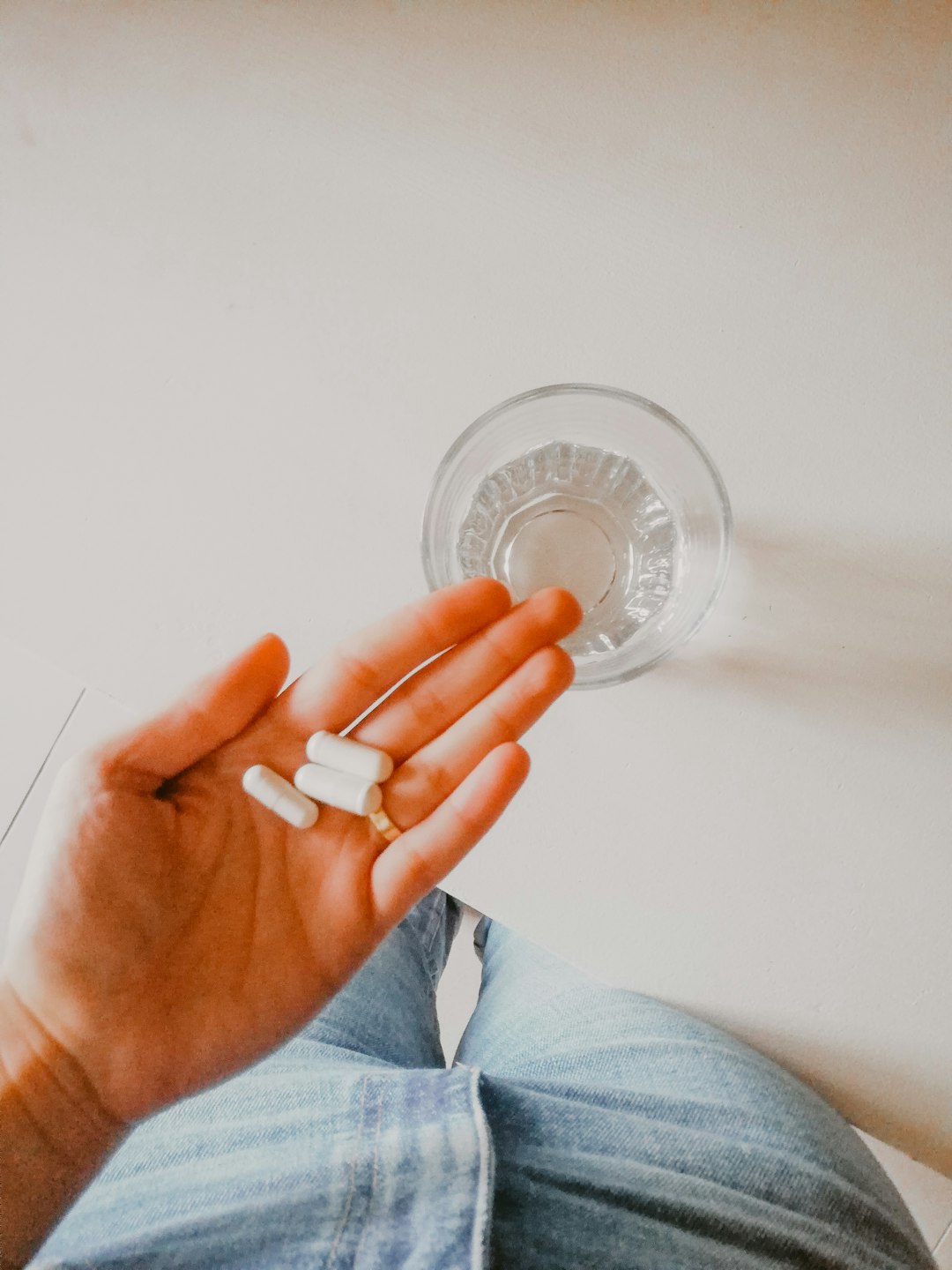
Safety must be the priority in any wellness regimen. The National Institutes of Health suggests a daily target of 320 to 400 milligrams for adult men. Toxicity is rare but real. Crossing the 5,000-milligram threshold can lead to heart palpitations and respiratory issues. It is a potent reminder that more is not always better. Quality and timing are the true markers of a successful protocol.
A magnesium supplement is a tool, not a shortcut.
It cannot replace the necessity of a consistent sleep schedule or the benefits of stretching. It is an enhancement. When integrated correctly, it offers a pathway to deeper, more meaningful rest. The choice of glycinate reflects an understanding of both chemistry and comfort. It is the most refined option for the discerning individual.
Frequently Asked Questions
Which type of magnesium is best for falling asleep?
Magnesium glycinate is widely considered the best form for sleep. It is highly bioavailable and contains the amino acid glycine, which has natural calming effects on the brain. This combination helps relax both the muscles and the nervous system simultaneously.
Can I take magnesium every night for sleep?
Most experts agree that taking a magnesium supplement nightly is safe for healthy adults as long as the dosage remains within the recommended range. Adult men should generally aim for 320 to 400 milligrams per day. It is always wise to consult a physician before beginning a long-term supplement routine.
Is magnesium citrate better than glycinate for recovery?
Magnesium citrate is effective for quickly replenishing magnesium stores after intense exercise, but it can have a laxative effect. For those who want muscle recovery without digestive upset, magnesium glycinate is the more gentle and systemic choice.
Does magnesium help with leg cramps during pregnancy?
Magnesium can help reduce leg cramps, which are common during pregnancy due to the body’s increased demand for the mineral. However, topical creams may be less effective than oral supplements for this specific issue. Always speak with an obstetrician before taking new supplements during pregnancy.
What are the signs of taking too much magnesium?
Symptoms of excessive magnesium intake, or toxicity, include nausea, diarrhea, and muscle weakness. In more severe cases, it can lead to difficulty breathing or heart palpitations. Toxicity typically only occurs with extremely high doses, often exceeding 5,000 milligrams daily.
Can I get enough magnesium from my diet alone?
Yes, it is entirely possible to meet your needs through a diet rich in nuts, seeds, leafy greens, and legumes. However, individuals who exercise intensely or experience high levels of stress may lose more magnesium through sweat and may benefit from supplementation.
Should I take magnesium with food?
While magnesium can be taken on an empty stomach, taking it with a meal can help prevent potential stomach upset, especially with forms like magnesium citrate. Taking it with a source of protein or Vitamin D may also enhance its absorption.