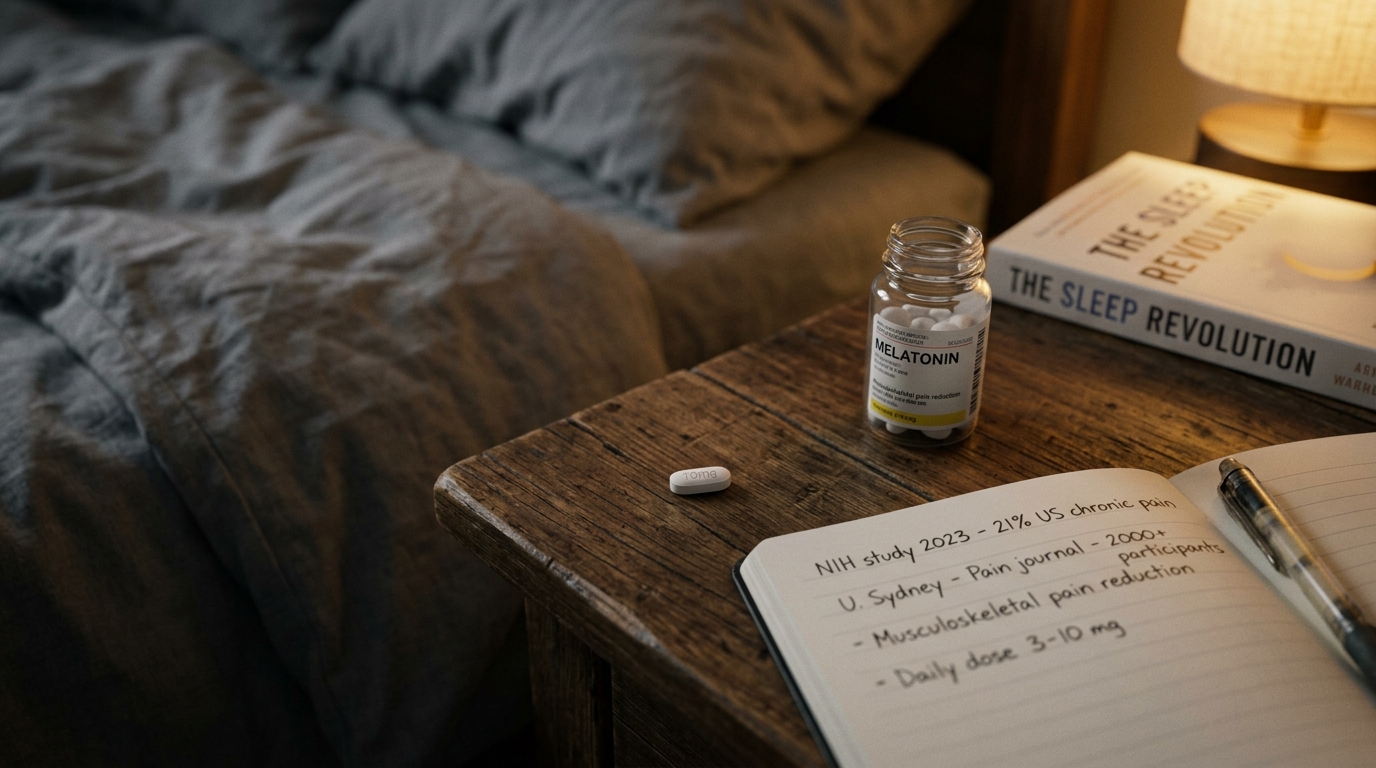
Understanding the best time to take melatonin for better sleep is an open secret among the chronically exhausted. We have long viewed melatonin as the ultimate travel companion for surviving transatlantic flights. The tiny pill sits on nightstands across the globe, waiting to forcefully reset our internal clocks.
Yet the scientific community is quietly rewriting the narrative around this hormone. A 2023 National Institutes of Health study revealed twenty-one percent of American adults live with chronic pain. Researchers at the University of Sydney examined twenty-three trials involving over two thousand participants. Their findings, published in Pain, suggest melatonin offers profound relief for musculoskeletal conditions.
This is not merely a sleep aid anymore. It is a biological buffer against inflammation.
The trials tested daily doses ranging from three to ten milligrams. Participants experienced significant reductions in pain intensity alongside improved sleep quality. The results mirrored the efficacy of certain prescription painkillers.
Dr. Jacob Teitelbaum is a board-certified internist specializing in integrative medicine. He notes that restorative rest is critical for managing physical discomfort. Chronic pain and poor sleep create a relentless feedback loop. When the body is subjected to persistent pain, it enters a state of high oxidative stress. Melatonin steps into this chaotic internal environment with highly potent and well-documented antioxidant properties.
It calms the internal physiological storm while simultaneously repairing cellular damage.
Dr. Jay Luthar is an instructor at Harvard Medical School and founder of Lutanen Health. He explains the mechanism clearly. Breaking the cycle of sleeplessness naturally dampens the bodily perception of acute discomfort.
Timing remains the most critical factor for efficacy. For optimal sleep induction and circadian regulation, the supplement must be taken precisely thirty to sixty minutes before bedtime. Taking it too early disrupts the natural hormonal wind-down. Taking it too late results in morning grogginess, mild headaches, or lingering nausea. Precision is paramount for neurochemical signaling.
The therapeutic applications extend far beyond a simple night of quiet rest.
Mayo Clinic integrative medicine specialist Dr. Denise M. Millstine points to new therapeutic horizons. Current research actively evaluates melatonin for migraine prevention, blood pressure management, and specialized preoperative anxiety treatment.

We must acknowledge the strict limitations of these clinical findings. The Sydney researchers noted a stark contrast in patient outcomes based on the origin of their discomfort. Individuals recovering from acute surgical procedures saw virtually no benefit from the hormone. The therapy is explicitly suited for long-term chronic conditions rather than sudden post-operative recovery. It demands absolute consistency.
Always consult a qualified physician before altering your evening wellness routine.
Dr. Luthar emphasizes that this is not a green light to self-medicate. Medical professionals must look at advanced biomarkers and stress levels to determine a functional treatment plan. Melatonin is a sophisticated tool designed to restore your overall biological equilibrium.
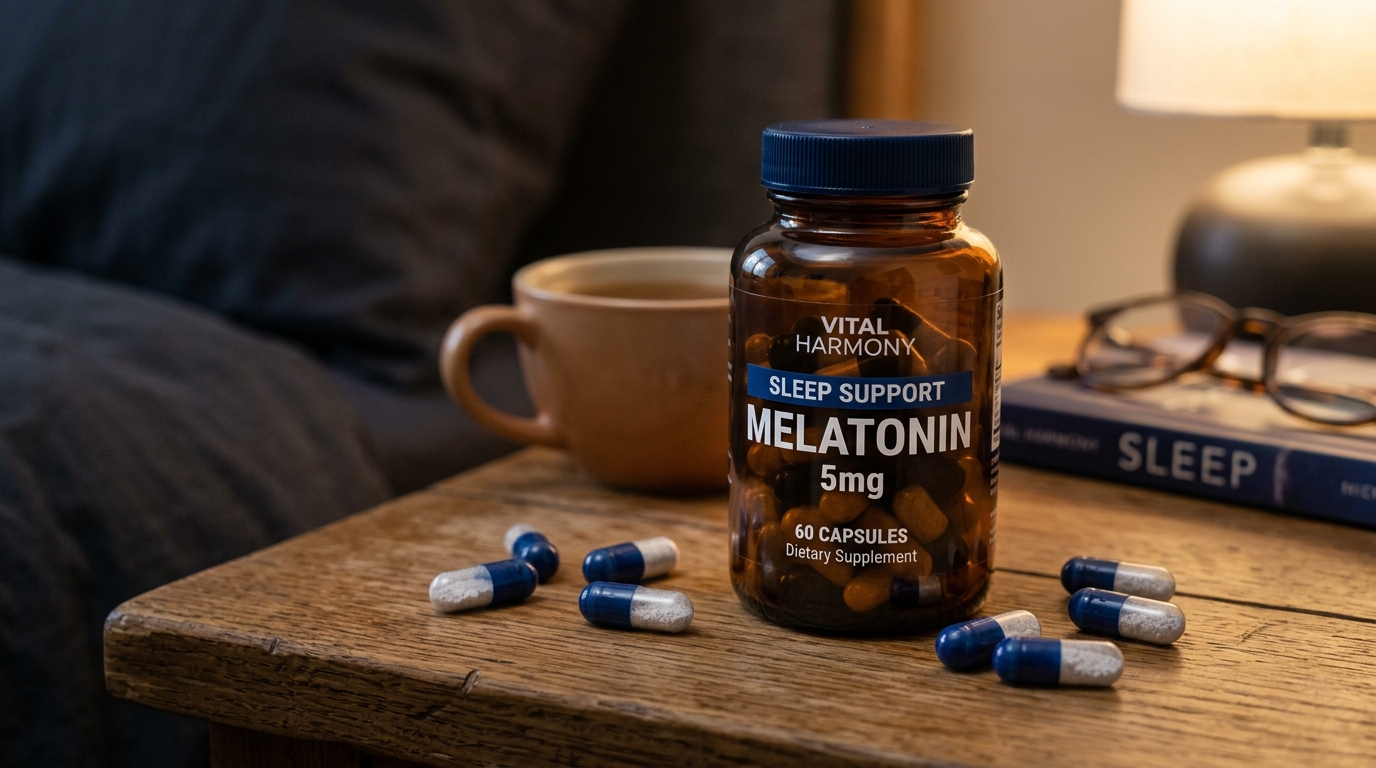
The market context cannot be ignored. The wellness industry has capitalized on the hormone, flooding pharmacy aisles with low-quality formulations. Consumers must navigate a landscape of unregulated gummy vitamins and synthetic blends. Efficacy relies entirely on the purity of the active ingredient. Choosing a reputable brand ensures that you are actually absorbing the stated dosage rather than mere sugar.
Quality control is the invisible pillar of effective supplemental therapy.
Integrating this protocol into your life requires strict intention. It is not about popping a pill to force unconsciousness. It is about creating a highly controlled environment that allows the active ingredients to guide your nervous system into a state of deep repair.
Frequently Asked Questions
What is the best time to take melatonin for better sleep?
Take the supplement exactly thirty to sixty minutes before your intended bedtime. This timing allows the hormone to align perfectly with your body's natural circadian rhythm.
Can melatonin help with chronic pain relief?
Yes. Recent clinical trials show that daily supplementation can significantly reduce the intensity of chronic musculoskeletal pain. It works by decreasing oxidative stress and systemic inflammation.
Does melatonin work for post-operative surgical pain?
No. Research indicates that individuals recovering from acute surgical procedures do not experience significant pain relief from the hormone. It is exclusively designed to manage long-term chronic conditions.
What are the common side effects of taking melatonin?
While generally safe for short-term use, it can cause mild grogginess, headaches, nausea, or dizziness. Taking the correct dosage at the proper time minimizes these adverse reactions.
How many milligrams of melatonin should I take daily?
Clinical trials for pain relief and sleep optimization typically utilize doses ranging from three to ten milligrams. You must consult a healthcare provider to determine the precise dosage for your specific biology.
Are there benefits to melatonin beyond sleep?
Medical research explores its efficacy for preventing migraines, managing blood pressure, and treating preoperative anxiety. Its powerful antioxidant properties provide comprehensive systemic health benefits.