The pursuit of optimal gut health has become the ultimate luxury in modern wellness. According to the National Institutes of Health, adults require 25 to 35 grams of roughage daily. A mere five percent of Americans actually hit this target. Finding the best time of day to eat fiber is no longer just a medical suggestion. It is a daily structural requirement for the body.
Timing your intake perfectly is not strictly necessary. Consistency throughout the day remains the most critical factor.
That said, there is a distinct advantage to starting early. Registered dietitian Lisa Young notes that morning consumption sets the nutritional tone. It stabilizes blood sugar and prevents afternoon overeating. The Centers for Disease Control and Prevention explains that this indigestible carbohydrate avoids the glucose spikes associated with refined morning pastries.
You must establish a solid head start without overloading the system.
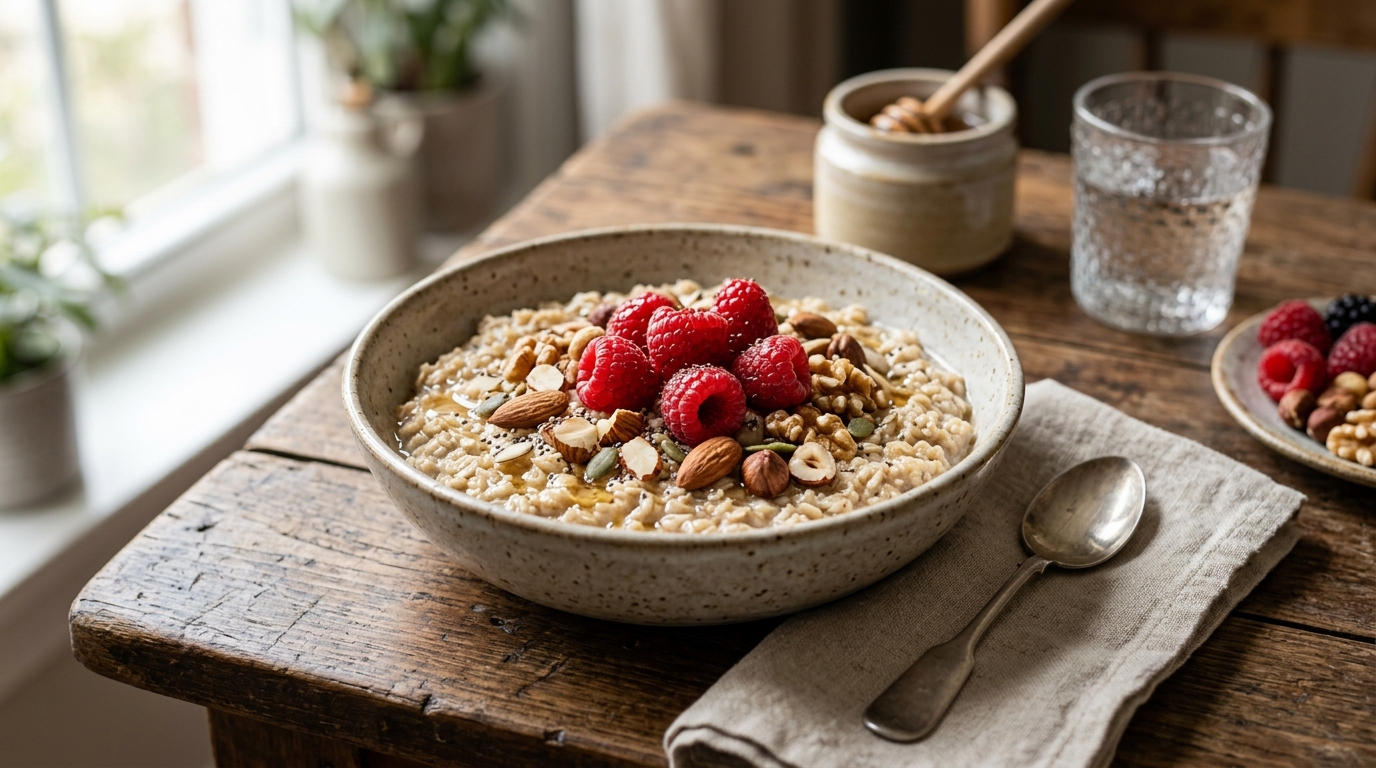
Natalie Rizzo suggests consuming at least five to ten grams at breakfast. Oatmeal paired with nuts and raspberries offers an excellent foundation. A typical serving of oats provides nearly five grams on its own.
Evening meals play an equally important role in this digestive choreography. Adding roasted broccoli or beans to your dinner directly influences the next morning. It bulks the stool and moves it efficiently through the digestive tract. This strategy naturally crowds out heavy saturated fats and refined carbohydrates. You are essentially curating a better internal environment.
Dr. Wendi LeBrett views this macronutrient as the unsung hero of human digestion.
The mechanics of digestion rely heavily on the specific type of materials you ingest. Soluble viscous fibers like psyllium husk draw water into the digestive tract. This forms a gel that softens the stool. Coarse insoluble fibers from wheat bran act as an irritant to the intestinal lining. This action prompts the bowel to secrete water. Both types are essential for a functioning system.
Hydration is an absolute prerequisite for this process to work properly.
Your physical posture also dictates the success of your bathroom routine. The modern sitting toilet creates an unnatural angle for the rectum. Elevating the feet with a specialized stool corrects this alignment. It opens the canal to an optimal degree.

We must also address the trend of fibermaxxing currently sweeping social media. Loading up on excessive amounts of supplements can trigger severe abdominal distress. Highly fermentable additives like inulin are often found in processed health foods. They break down rapidly in the gut and generate excessive gas. Nutritionists strongly advise prioritizing whole foods instead.
A Mediterranean diet provides a highly reliable blueprint for this strategic approach.
Chronic constipation requires a more clinical intervention than extra chia seeds. Gastroenterologist William Chey points out that severe slow-transit issues will not resolve with dietary tweaks alone. Over-the-counter osmotic laxatives like polyethylene glycol draw water into the bowel naturally. Stimulant versions offer a faster but harsher solution.
Extreme measures like colonic irrigation pose dangerous health risks.
The true secret to regularity lies in a disciplined daily rhythm. Eat consistent meals to stimulate the gut. Drink plenty of water. Move your body gently after eating to maintain internal momentum.
If dietary modifications fail, medical professionals look toward structural solutions. Age and sedentary lifestyles act as potent risk factors for chronic irregularity. Medications, including common blood pressure drugs and antidepressants, often slow down the digestive transit. You must evaluate your entire pharmaceutical routine with a doctor before adding heavy magnesium laxatives.
A bidet offers a superior level of cleanliness over abrasive toilet paper. It protects the skin from micro-tears.
The pursuit of wellness does not require dramatic interventions. It demands steady, calculated habits. You must respect the intricate machinery of the human gut. Feed it properly, hydrate it constantly, and let it work.
Frequently Asked Questions
What is the best time of day to eat fiber?
The most advantageous time is the morning. Starting your day with fiber at breakfast stabilizes blood sugar and prevents afternoon overeating.
How much fiber do adults need per day?
Adults should consume between 25 and 35 grams of fiber daily. Currently, only about five percent of Americans meet this recommended baseline.
What happens if I eat too much fiber at once?
Consuming a massive amount of fiber in a single sitting can lead to severe bloating, gas, and abdominal cramps. You must increase your intake gradually to allow the gut to adjust.
Does drinking water help with fiber digestion?
Yes. Soluble fiber dissolves in water to form a gel that aids digestion and softens stool. Without adequate hydration, high fiber intake can actually worsen constipation.
Are fiber supplements safe to take every day?
Daily supplements like psyllium husk are generally safe for healthy individuals. However, relying on whole foods like fruits, vegetables, and legumes provides a more comprehensive nutritional profile.
Why does my posture matter on the toilet?
The standard sitting position creates a kink in the rectum. Elevating your feet with a bathroom stool mimics a natural squatting posture. This alignment makes bowel movements faster and more complete.
Can physical activity improve bowel regularity?
Gentle and consistent movement stimulates the intestines. Taking a short walk after meals can significantly support overall gut function and digestive comfort.