
The wellness industry thrives on endless complication and dramatic reinventions. Yet the arrival of Love Your Gut Week, running from September 14 to 20, 2026, offers a refreshing pivot toward simplicity. The 7-Step Gut Health Reset strips away the noise and focuses on foundational habits.
Consistency is the ultimate luxury in a chaotic world.
Registered dietitian Jo Travers advocates for a surprisingly ordinary approach to daily nourishment. She notes that good health begins with small and repeatable choices rather than extreme dietary overhauls. The digestive system communicates with the rest of the body through complex networks known as gut axes. These include the gut-brain and gut-immune pathways. There is absolutely no need to turn your dinner plate into a strict microbiology experiment.
The body prefers a steady rhythm over sudden shocks.
Travers outlines a pragmatic seven-day guide aimed at gradual improvement. It begins by simply swapping white rice for wholegrains and slowly increasing plant variety across your meals. Frozen and tinned produce are perfectly acceptable additions to the modern pantry. Different plant foods provide different nutrients and fibers. Aiming to broaden the range of plants in a meal is far more effective than fixating on a single miraculous ingredient.
Hydration plays a critical role in maintaining this delicate internal ecosystem. Travers suggests a simple glass of water before morning coffee to help fiber do its job efficiently. Movement follows closely behind in importance. A brief ten-minute walk after lunch aids digestion immensely without requiring a gym membership. Poor sleep and chronic stress actively disrupt the microbiome. Establishing a calm evening routine is just as important as eating roasted savoy cabbage.
True nourishment is often found in the most basic routines.
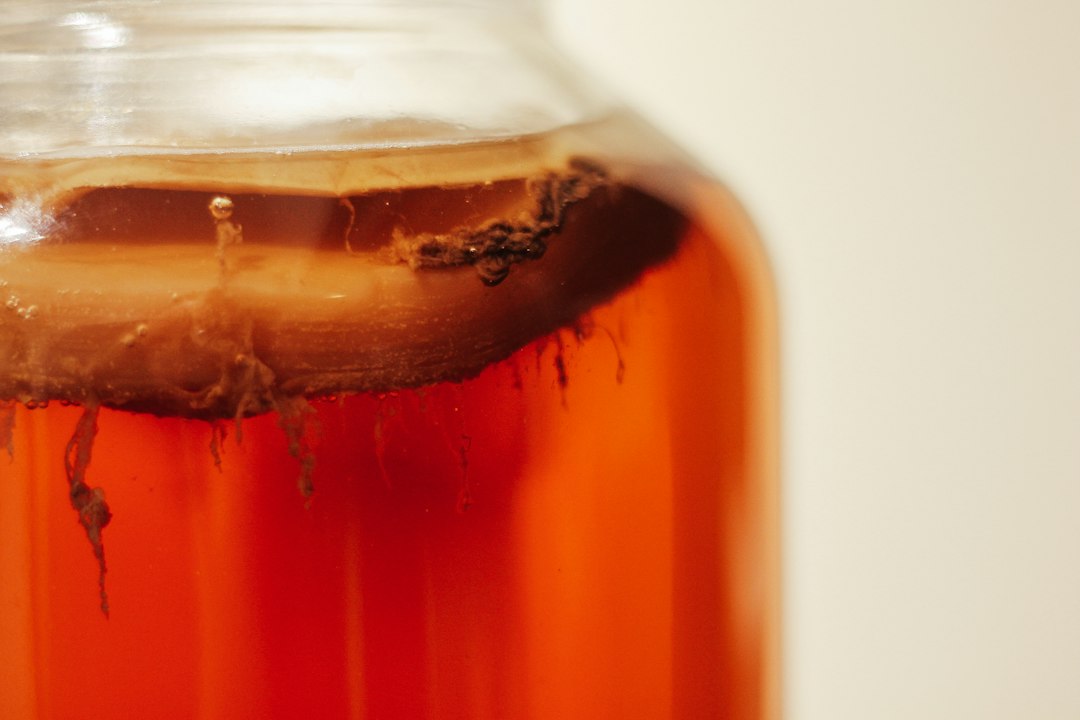
Adding fermented foods is a highly sophisticated dietary strategy. Greek yogurt delivers substantial protein alongside live cultures. Unpasteurized kimchi provides essential fiber and a sharp culinary kick. Kombucha serves as a bubbly alternative to sugary sodas. Kefir offers a tart and drinkable format that is often easier to tolerate for those sensitive to standard dairy products.
Medical science now treats the microbiome as a vital frontier in preventive health. Dr. Preetha Reddy of Apollo Hospitals notes that our changing food habits have severely compromised our internal diversity. Traditional diets were naturally rich in pulses and fermented foods. Processed meals and high stress levels erode this biological foundation. Comprehensive health assessments now increasingly evaluate these invisible ecosystems to catch potential concerns early.
Antibiotics demand incredibly careful consideration from patients. They can easily decimate beneficial bacteria long after an infection has cleared.
Dr. Prasun Chatterjee points out that gut diversity naturally decreases with age. A weaker gut barrier allows bacterial substances to enter the bloodstream. This triggers a silent process known as inflammaging. This low-level inflammation is frequently linked to muscle loss and general frailty. Maintaining a healthy barrier relies heavily on bacteria that turn fiber into butyrate.
The oncology field is also paying close attention to digestion. Dr. Harit K. Chaturvedi highlights the deep connection between gut bacteria and immune responses. The microbiome can heavily influence how patients respond to modern immunotherapies. Bacteria release chemical messengers into the bloodstream that alter immune activity across the entire body. Trials are actively exploring whether modifying the microbiome can improve clinical treatment outcomes.
There is no single ideal microbiome for every human being.
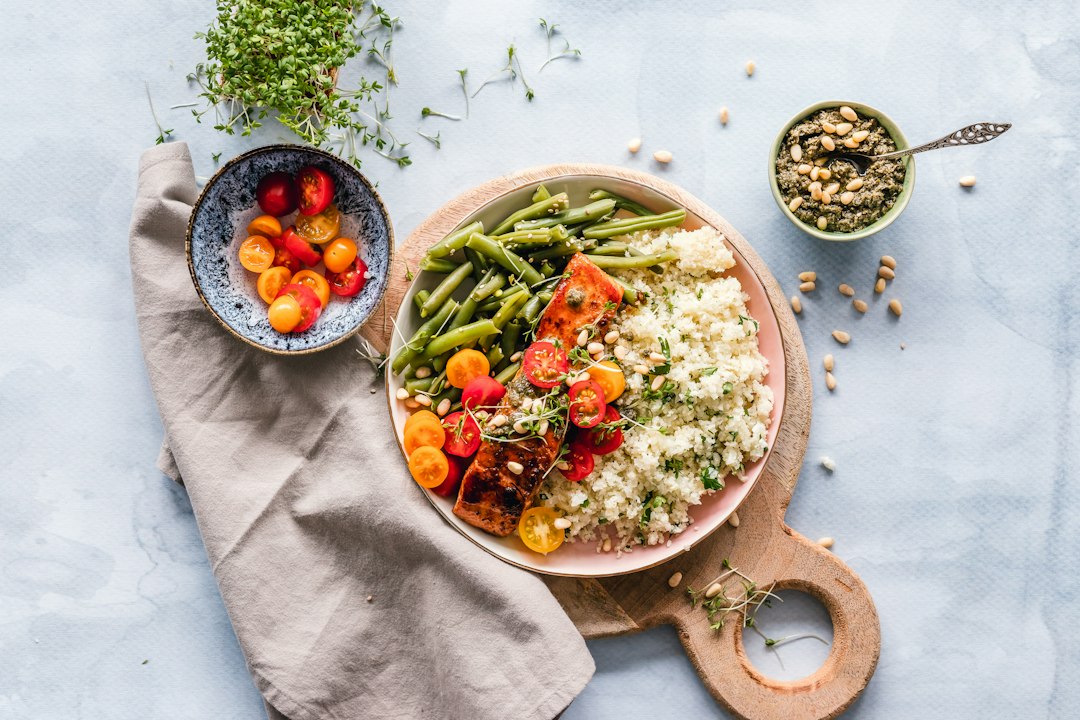
Dietitian Jo Travers suggests thinking in terms of plant points to keep meals interesting. A simple wholewheat couscous paired with courgette and almonds delivers exceptional texture and diversity. Pearled spelt acts as a nourishing and nutty alternative to traditional risotto rice. Cannellini beans blend effortlessly with peas to create a creamy base for roasted cod.
Miso and tempeh offer elegant ways to incorporate fermented soy into weekly meal planning. Miso provides a deep umami flavor that elevates simple salad dressings. Tempeh serves as a firm and satisfying plant-based protein. It is crucial to remember that high heat can destroy live bacterial cultures. Stirring miso into a soup only after it has finished cooking preserves its beneficial properties entirely.
Health is fundamentally about resilience rather than perfection. Start by adding chickpeas to a salad or drinking a glass of water. Walk for ten minutes. True wellness is about building habits that seamlessly integrate into your actual life.
Frequently Asked Questions
When does Love Your Gut Week 2026 take place?
Love Your Gut Week runs from September 14 to 20, 2026. The focus of this year's event is how digestive health supports wider everyday wellbeing.
What are the best fermented foods for digestion?
Dietitians highly recommend plain yogurt, kefir, unpasteurized kimchi, and refrigerated sauerkraut. Miso, tempeh, and low-sugar kombucha are also excellent choices for introducing beneficial bacteria.
How does the gut communicate with the brain?
The digestive system communicates with the brain and other organs through pathways known as gut axes. This two-way communication explains why stress can cause a loss of appetite or sudden digestive discomfort.
What is inflammaging?
Inflammaging is a low-level, long-term inflammation that occurs when a weakened gut barrier allows bacterial substances to enter the bloodstream. It is often linked to muscle loss, heart disease, and frailty as people age.
Can antibiotics harm beneficial gut bacteria?
Yes. Antibiotics can disrupt the microbiome by eliminating both harmful and beneficial bacteria. Medical experts advise using them judiciously and only when prescribed for bacterial infections.
Does the microbiome affect cancer treatments?
Emerging research suggests that the composition of gut bacteria can influence how well patients respond to certain immunotherapies. The bacteria release chemical messengers that affect immune activity throughout the body.
Why is fiber so important for the microbiome?
Fiber helps food move smoothly through the digestive tract and provides vital fuel for beneficial bacteria. Different fibers behave differently, which is why eating a wide variety of plant foods is crucial.