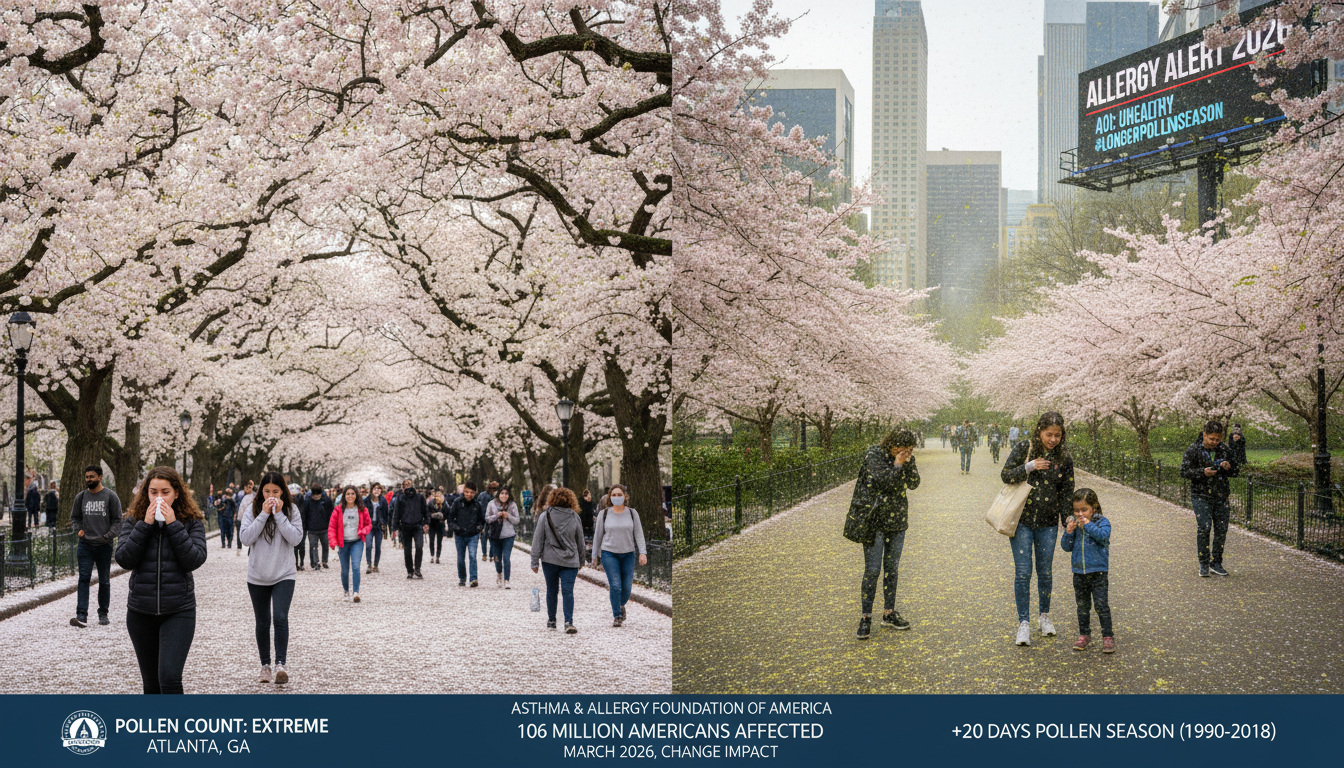
The arrival of March 2026 has brought a premature thaw across the United States. We see the usual markers of renewal in the landscape. Blossoms are appearing in New York and the South far ahead of the traditional schedule. This is not merely a decorative change in the environment. It is a biological surge that is already impacting the daily lives of millions.
This is not a subtle transition. It is a significant health event. According to the Asthma and Allergy Foundation of America, 106 million Americans are now confronting a season that is both longer and more aggressive than those of previous decades. The data suggests that pollen seasons in North America have extended by an average of twenty days between 1990 and 2018. Climate change is the primary architect of this shift. For one in four adults and one in five children in the country, this extended calendar represents a persistent challenge to their physical well-being.
In parts of the Southeast, specifically Georgia, the cycle began in late February. This is a departure from the typical early March start. Residents in Arizona and California are also reporting symptoms much earlier than expected. The 2026 AccuWeather forecast indicates high pollen levels in more than 29 states already.
Urban heat islands are exacerbating the issue. Higher temperatures in cities stimulate even more intense pollen production and trap air pollution.
The 2026 season is what experts call a double whammy. It is a collision of increased duration and heightened intensity. Preparation is no longer optional for the modern urbanite.
The mechanics of this seasonal shift are found in the microscopic. Plants release pollen to nourish others of their species. These powdery particles are designed to float effortlessly through the air. They are easily inhaled. The human immune system often misinterprets these particles as a direct threat. It creates antibodies to target the allergens. This triggers the release of histamines into the blood. The result is the familiar suite of symptoms including itchy eyes and congested nasal passages.
Dr. Purvi Parikh, an immunologist based in New York City, notes that even recent blizzards have not slowed the trend. Record breaking warm temperatures followed the snow. A day in March reached 80 degrees in the Northeast before spring had technically begun.
The geography of risk is shifting westward. More western cities have climbed the Allergy Capitals list for 2026 than in previous years. This is largely due to spikes in grass and weed pollen.
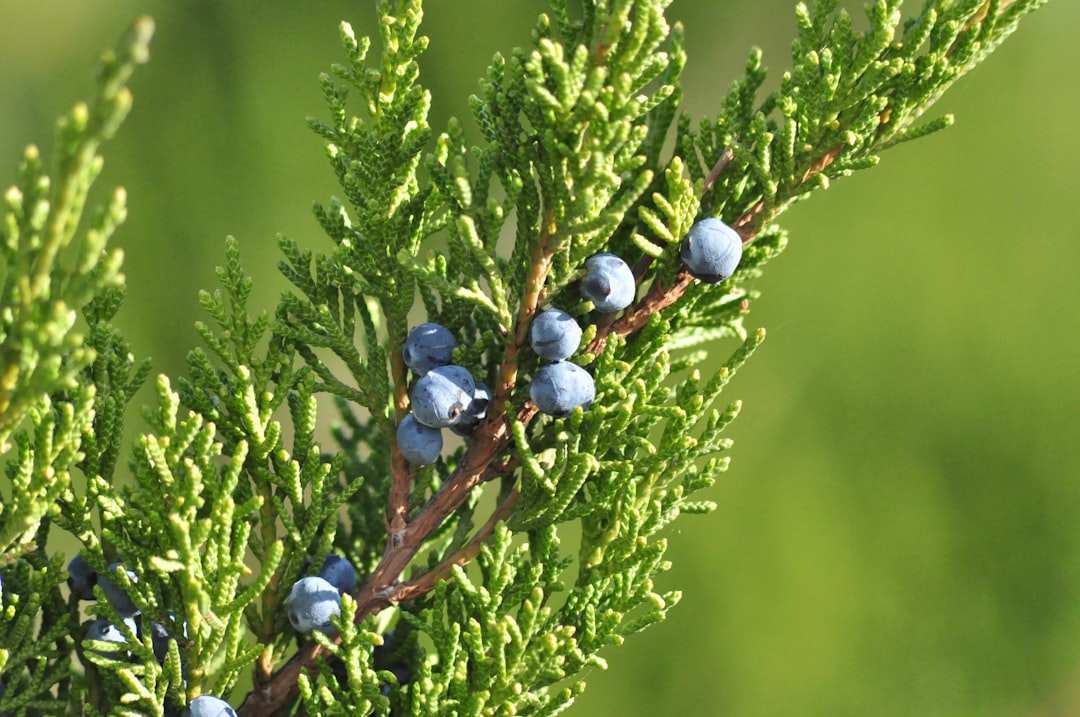
In Wisconsin, the situation is particularly acute. Pollen counting stations in Milwaukee and Madison show the season is lasting up to fifty percent longer than in the past. As of March 20, the pollen count in southern Wisconsin is categorized as medium. It is expected to reach medium high levels by March 22. Juniper and elm are the primary culprits in this region. Milwaukee currently ranks as the 44th worst city for allergies in the nation. Madison follows closely at 46th.
The market for relief is expanding alongside the pollen counts. There is a higher demand for both over the counter and prescription medications. The Asthma and Allergy Foundation of America ranks cities based on these factors along with the availability of board certified allergists.
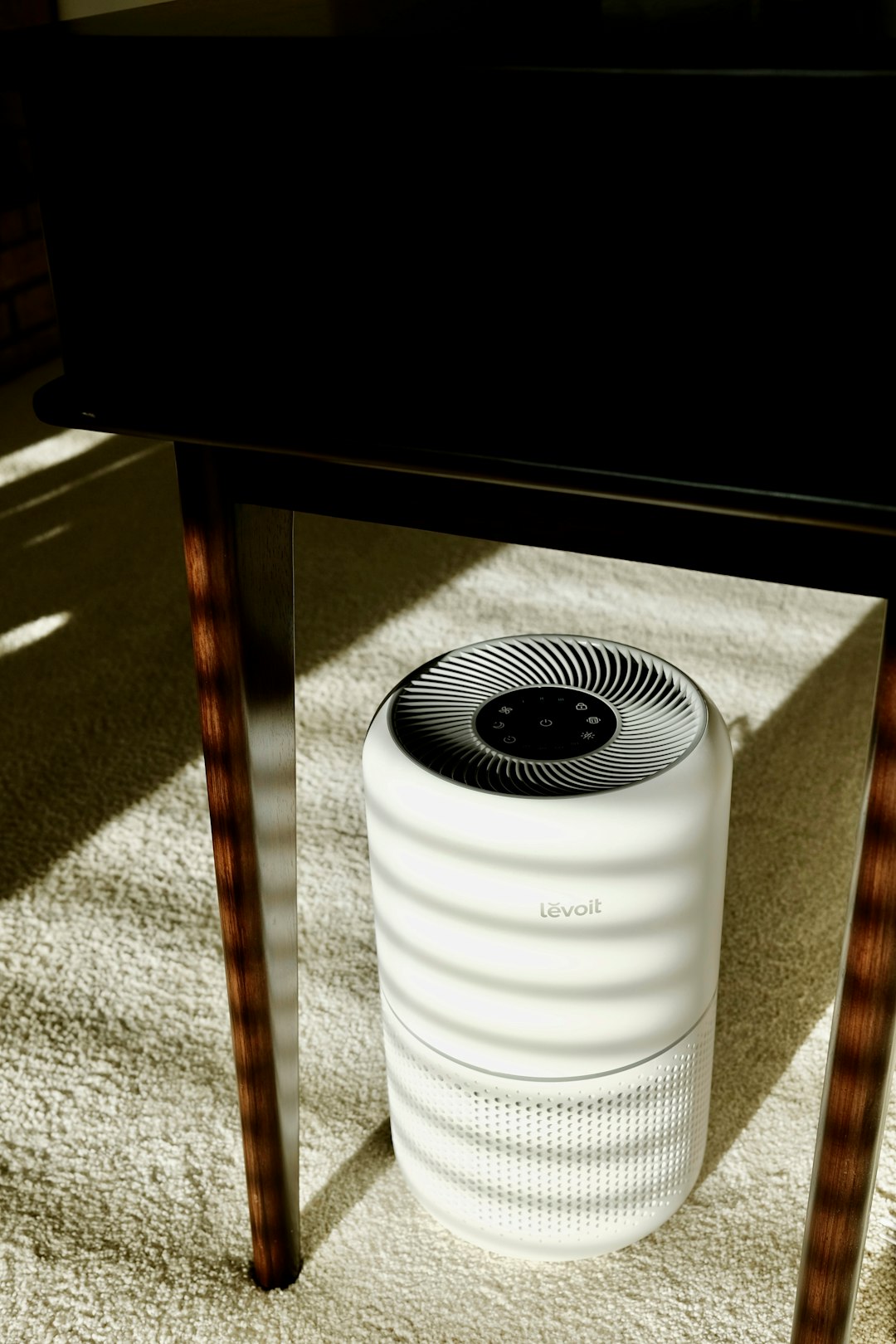
Managing this environment requires a tactical approach. Experts recommend keeping windows closed to prevent pollen from entering the home. Using high efficiency particulate air filters can also mitigate the indoor presence of allergens. It is a matter of environmental control.
The 2026 allergy season is a reflection of a changing climate. It requires a more sophisticated level of awareness from the public. We are no longer dealing with a predictable three month window of irritation.
Frequently Asked Questions
Why is the 2026 allergy season starting earlier than usual?
Rising global temperatures have shortened winters and lengthened agricultural growing seasons. This allows plants to begin producing pollen in late February rather than waiting for the traditional start of spring in March.
Which states are currently seeing the highest pollen counts?
High pollen levels are already being reported in more than 29 states. The most significant early activity is concentrated in the Western and Southern United States, including Georgia, Arizona, and California.
What are the main allergens currently active in the Midwest?
In the Midwest, specifically in states like Wisconsin, the primary allergens at this stage of the season are tree pollens. Juniper and elm are currently the most prevalent sources of irritation for residents in that region.
How much longer is the allergy season compared to previous decades?
Recent studies indicate that the North American pollen season has extended by an average of 20 days. In specific areas like Milwaukee and Madison, the season can last up to 50 percent longer than it historically did.
What is meant by the term double whammy in the 2026 forecast?
The term refers to the combination of a longer season and a more intense concentration of pollen. Not only do the symptoms start earlier and last longer, but the actual amount of pollen in the air is higher.
How does the 2026 Allergy Capitals list differ from previous years?
The 2026 list shows a notable shift with more Western cities appearing in the rankings. This change is driven by significant spikes in grass and weed pollen that were less prominent in those locations in the past.
What are the best ways to reduce pollen exposure indoors?
Keeping windows closed during high pollen days is essential. Additionally, using air purifiers with HEPA filters and washing clothes after being outdoors can help remove pollen particles from the living environment.
Why do cities often have higher pollen counts than rural areas?
Urban areas experience higher temperatures due to the heat island effect. This warmth stimulates plants to produce more pollen and also traps pollutants that can make allergy symptoms feel more severe.