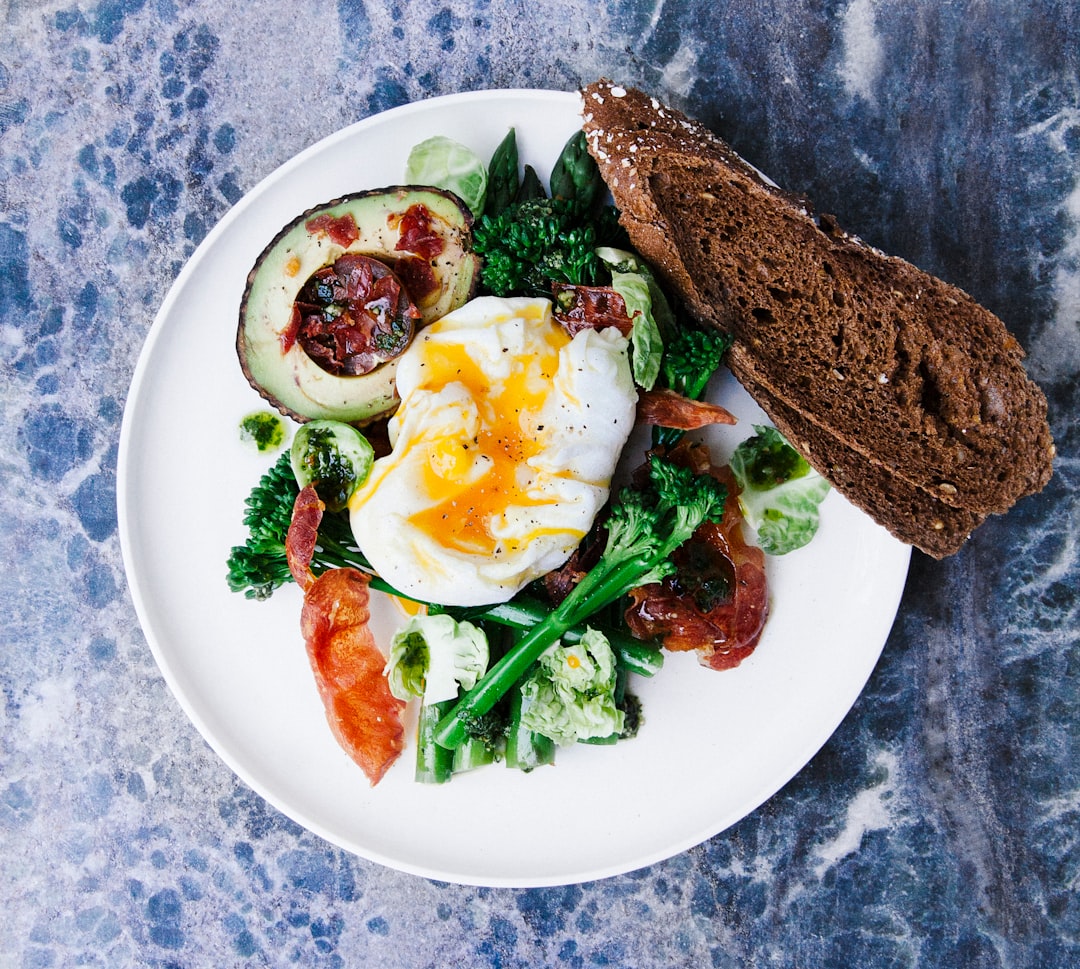
The morning routine demands rigorous structure. Today we dissect The 10 Healthiest Breakfasts to Fuel Your Morning to help you build that necessary foundation. Much like a well-tailored blazer, the first meal sets the tone for the entire day.
The modern approach to early nutrition has evolved far past sugary cereals and instant gratification. It now demands a sophisticated blend of branched-chain amino acids, dietary fiber, and healthy fats. Experts agree that breakfast must prioritize function above all else. It is a daily opportunity to stimulate muscle protein synthesis and stabilize your blood sugar before stepping out into a demanding environment.
The days of treating the first meal like a dessert are over.
Amy Shapiro of ButcherBox notes that a targeted morning dose of protein is non-negotiable for muscle goals. Dr. Amir Khan champions a distinctly savory start to avoid the steep cortisol spikes that mimic physical stress. This is particularly crucial for those navigating menopause or high-stress corporate environments. Sugar crashes leave you exhausted and reaching for heavily processed snacks long before the afternoon arrives.
The construction of these meals requires exact macronutrient balance. A vegetable scramble with two eggs serves as an excellent template.
Kelly Jones points out that this simple scramble covers healthy fats, lean protein, and essential carbohydrates when paired with whole-grain bread. It keeps athletes and executives fuller than a standard bowl of cereal ever could. Quality always outperforms volume.
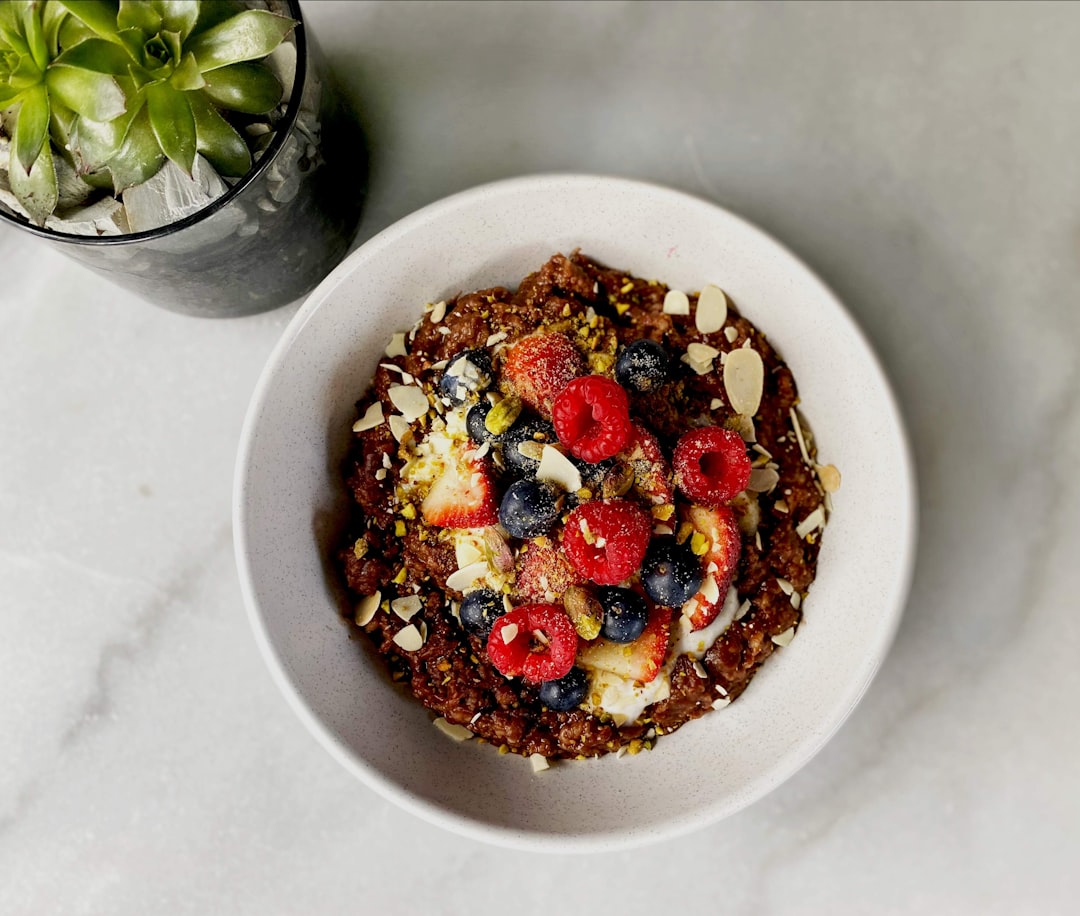
The Mediterranean-style quinoa breakfast bowl pushes the boundaries of traditional morning fare. Quinoa behaves as a whole grain while operating as a complete seed containing all nine essential amino acids. This makes it an exceptional tool for rapid muscle synthesis. We are also tracking a rise in gluten-free baked oatmeal squares packed tightly with cottage cheese, chia seeds, and rich almond butter.
Each oatmeal square delivers ten solid grams of pure protein.
Coconut vanilla whole wheat waffles offer a brilliant alternative to standard diner plates. By combining whole-wheat pastry flour with flaxseeds and coconut milk, they provide a quick energy boost through medium-chain triglycerides.
You can freeze these waffles between layers of parchment paper. This simple trick streamlines hectic weekday mornings.
Yaa Boakye advocates heavily for the structural integrity of Greek yogurt. A standard six-ounce serving delivers up to seventeen grams of protein. Adding raw almonds introduces healthy fats, while fresh berries provide the necessary fiber. For those relying strictly on liquids, a whole-food smoothie blending peanut butter, oats, and a fresh banana provides a high-density fuel source for navigating rushed commutes.
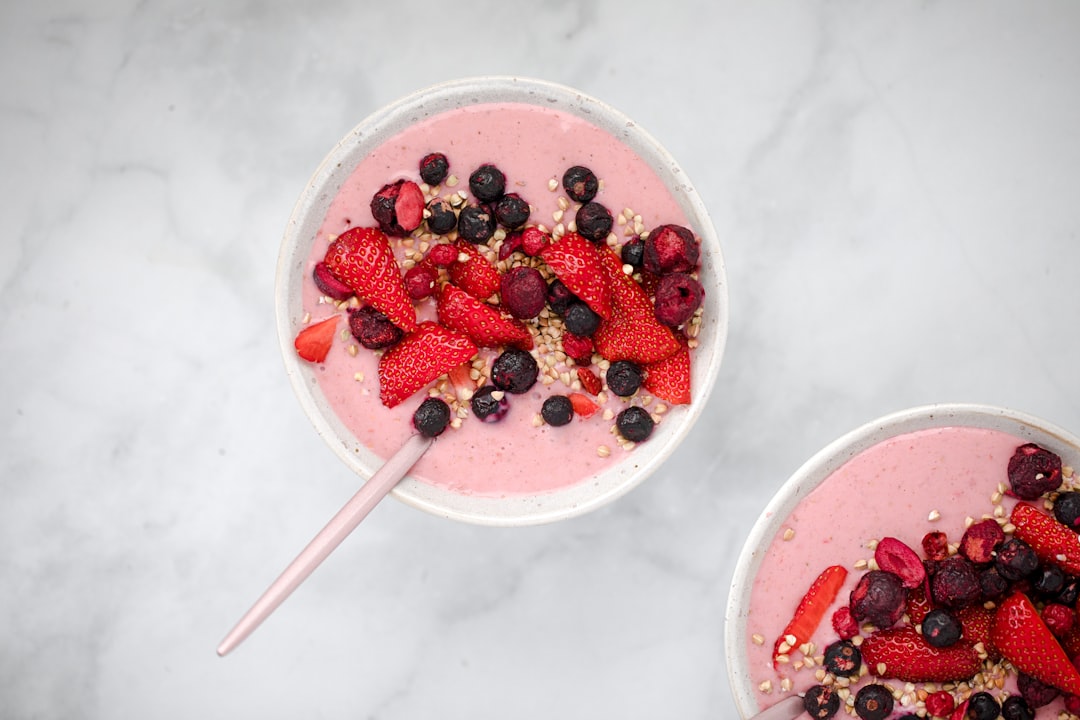
Plant-based dietary regimens require highly careful curation.
A tofu scramble heavily seasoned with turmeric, cumin, and fresh salsa yields twelve grams of clean protein. The veggie-packed breakfast burrito utilizes refried beans and a whole wheat tortilla to create a portable, fiber-rich capsule for busy mornings.
Pumpkin pancakes provide an unexpected seasonal twist that defies the usual carbohydrate slump. They offer eighteen grams of protein per serving alongside high levels of vitamin A and potassium. Smoked salmon served on whole wheat crackers presents a much more refined, minimalist option. This elegant salmon dish provides up to sixteen grams of protein and essential omega-3 fatty acids for sustained cognitive function.
Dt Shalini Bliss from PSRI Hospital warns against the popular myth of the universal six-hour satiety window. Hunger is complex.
A high-protein breakfast helps reduce hunger, but true satiety depends entirely on your specific metabolism, sleep quality, and portion size. The secret lies in the careful combination of complex carbohydrates and healthy fats rather than just consuming protein in isolation.
Ultimately, a sustainable breakfast routine must be genuinely enjoyable.
Marissa Beck stresses the importance of looking at produce as a primary category rather than a mere afterthought. Building your plate around high-quality protein and vibrant vegetables is the absolute smartest strategy. It is not about forcing down dry toast. It is about engineering a morning routine that elegantly fuels both your physical endurance and your mental sharpness for the long hours ahead.
Frequently Asked Questions
What makes a breakfast genuinely healthy?
A truly healthy morning meal balances protein, dietary fiber, and healthy fats. This specific combination stabilizes blood sugar levels and prevents mid-morning energy crashes. It is crucial to avoid highly processed, sugary options.
Can a high-protein breakfast keep me full for six hours?
Satiety varies greatly depending on your individual metabolism, sleep quality, and portion size. While protein reduces hunger, expecting any single meal to universally last six hours is unrealistic. You must include complex carbohydrates and fiber to maximize fullness.
Is it better to eat a savory or sweet breakfast?
Experts strongly recommend savory breakfasts. Sugary meals trigger rapid blood sugar spikes followed by steep crashes that mimic physical stress in the body. Savory options keep your cortisol levels stable and energy consistent.
Are smoothies a healthy breakfast option?
Smoothies are highly effective if constructed properly. They should not rely solely on fruit. You must blend in a solid protein source like Greek yogurt or milk, alongside healthy fats like peanut butter, to create a complete meal.
What is the best quick breakfast for busy mornings?
Meal preparation is the best strategy for hectic schedules. Freezing homemade coconut vanilla whole wheat waffles or prepping a veggie-packed burrito allows for instant reheating. Smoked salmon on whole wheat crackers also provides a rapid, no-cook solution.