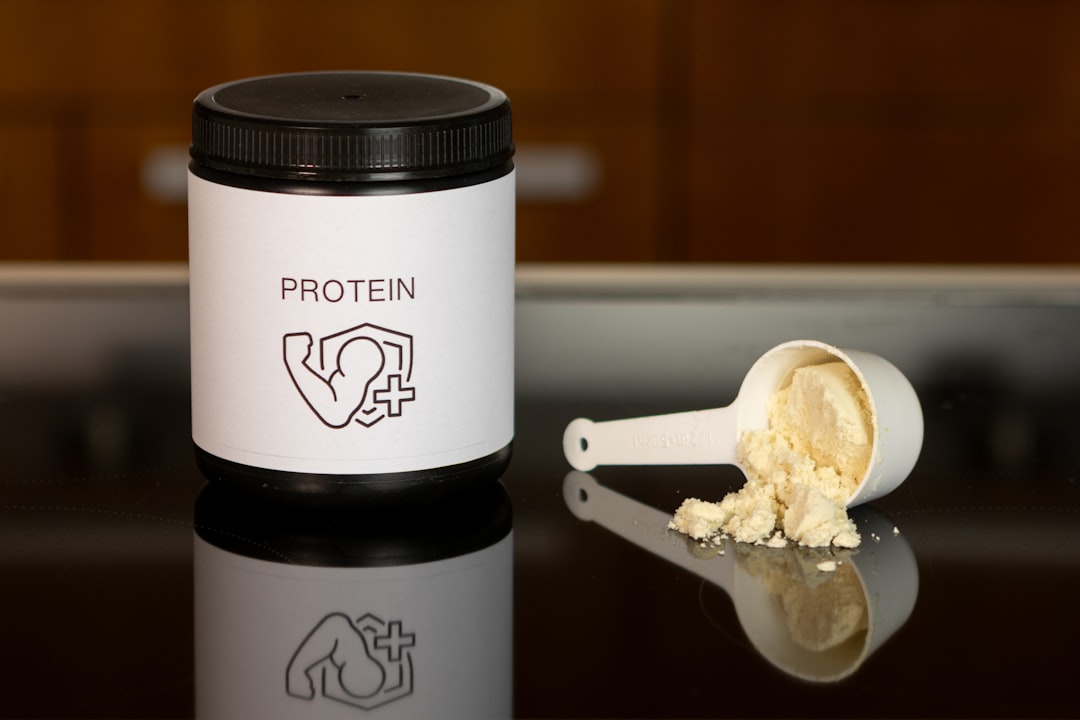
The conversation in elite locker rooms has shifted from basic nutrition to molecular precision. We must examine supplements: what do athletes take and why? The answer involves a highly calculated approach to physical recovery, endurance, and power. From protein isolates to ancient grains, the modern competitor leaves absolutely nothing to chance. Total optimization requires strict biological discipline.
This pursuit of physical perfection is not a new phenomenon. It has simply become far more rigorous and scientifically measurable.
The modern era of sports nutrition arguably began at the 1992 Olympics in Barcelona. British athletes began using Ergomax C150, an effervescent creatine tablet supplied by Steve Jennings. Investigative reporter Doug Gillon uncovered this trial, noting claims it could improve explosive athletic performance by one to three percent. By the 1996 Games, roughly eighty percent of athletes were using creatine.
The secret weapon had quickly become a standard requirement.
Today, the global dietary supplements market is an economic force. Valued at $209.5 billion in 2025, it is projected to reach $431.7 billion by 2033. The sports nutrition category alone grew by twenty-three percent in 2025.

This growth is driven by the democratization of performance nutrition. Once exclusive to professionals, these products are now household staples. The United States dietary supplement industry was valued at over $54 billion in 2023. Amazon alone accounted for $12.6 billion in sales for vitamins and minerals. The line between elite athletic nutrition and everyday wellness has completely vanished.
Despite this massive commercial expansion, experts continue to emphasize dietary fundamentals over purely synthetic interventions.
Professor Graeme Close of Liverpool John Moores University estimates that nearly all elite athletes take some form of supplementation. He advocates for a food-first approach. Supplements act as the final piece of the puzzle. Athletes who nail their foundational diet see the greatest benefits from these marginal additions. You simply cannot out-supplement a poor nutritional baseline.
Precision fueling dictates the outcomes of modern endurance.
Close ranks protein powders, creatine, and vitamin D as the top three essentials. Protein maximizes muscle repair. Creatine provides quick energy for high-intensity activities like sprinting. Vitamin D supports bone health.

Athletes require three to five grams of creatine daily for performance benefits. This amount is found in over two pounds of raw meat. Supplementation makes logistical sense. Carbohydrate gels are also critical for endurance events. Kenyan runner Sabastian Sawe relied heavily on this strategy. During his sub-two-hour marathon run, his fueling program required immense precision.
Sawe ingested 110 grams of supplemental carbohydrate per hour. Specialized sports drinks and gels made this historic feat possible.
Navigating the supplement industry requires extreme caution. The World Anti-Doping Agency bans substances that meet two of three specific criteria. The criteria include being dangerous to health, performance enhancing, and against the spirit of sport. Anabolic steroids hit all three marks. Athletes face strict liability regarding anything they consume. Ignorance of an ingredient is never an excuse.
Consuming a prohibited substance unintentionally ends careers.
Contamination is a severe risk. Up to one in ten products may contain prohibited compounds according to the Informed Sport program. Between 2005 and 2022, product contamination caused eight percent of all doping violations.

Great Britain rower Heidi Long mitigates this by logging every batch number and expiration date in a spreadsheet. Safety considerations remain paramount. Products bought online with unverified manufacturing processes pose genuine health risks. Studies have found products claiming to contain creatine actually contain none. Quality assurance testing reduces but does not eliminate all risks entirely.
Many competitors are turning to wholefood alternatives. Ancient grains are gaining massive traction in exclusive athletic circles.
Teff is an ancient Ethiopian grain rich in calcium, iron, and vitamin C. It provides all nine essential amino acids. Olympic marathon champion Haile Gebrselassie and tennis star Venus Williams have utilized teff for its superfood credentials. British boxer Fran Hennessy considers it a crucial part of her daily routine. It provides essential pre-workout energy and post-fight recovery benefits.
Whole foods provide an affordable path to peak physical form.
Heidi Long prefers real food over expensive synthetic powders. She notes that enjoying a coffee with friends is far superior to consuming a bitter energy gel. The financial burden of the supplement industry is significant.
The regulatory landscape complicates matters further. Sports dietitian Nancy Clark notes that the FDA does not pre-approve dietary supplements. Products are deemed safe until they cause reported harm. Energy drinks like Red Bull are regulated as beverages, which limits caffeine content. Supplements, however, often hide behind proprietary blends that mask exact ingredient amounts.
Adam Annaccone evaluates performance practices for collegiate athletics. He notes that elite sports serve as ideal testing grounds.
Technologies like compression boots and smart rings have trickled down to everyday consumers. Yet, a strategy that helps a professional might not suit a casual gymgoer. Ice baths can reduce soreness after a game but may inhibit muscle growth if used immediately after resistance training. Consumers should define their goals before copying professional routines blindly. Blind imitation yields poor physical results.
Always consult a registered professional before participating.
Do not rely on social media trends or flashy marketing. True athletic optimization requires a foundation of adequate sleep, proper hydration, and a balanced diet. Supplements should simply elevate an already perfect routine.
Frequently Asked Questions
Are all sports supplements FDA approved?
No. Unlike pharmaceutical drugs, dietary sports supplements do not require FDA pre-approval. Manufacturers are responsible for ensuring their products are safe and accurately labeled before they go to market.
Why do elite athletes take creatine?
Creatine provides a rapid source of energy for muscles during short-duration, high-intensity activities like sprinting. Athletes take it to improve explosive athletic performance and increase strength when combined with resistance training.
What is the World Anti-Doping Agency (WADA) criteria for banned substances?
WADA bans a substance if it meets two of three specific criteria. The substance must be dangerous to health, performance enhancing, or against the spirit of sport.
Can legal sports supplements cause a failed drug test?
Yes. Cross-contamination during manufacturing can introduce banned substances into legal supplements. Elite athletes use batch-tested products certified by programs like Informed Sport to minimize this risk.
What is the food-first approach in sports nutrition?
The food-first approach prioritizes meeting all nutritional needs through a balanced diet before using supplements. Dietitians recommend relying on whole foods for primary vitamins and proteins, using supplements only to address specific deficiencies or minor performance margins.
What are the benefits of teff for athletes?
Teff is a gluten-free ancient grain rich in calcium, iron, and vitamin C. It is a complete protein containing all nine essential amino acids, making it excellent for sustained energy and muscle recovery.