
We are currently navigating an era of profound exhaustion. If you are feeling stressed and tired? These 3 types of movement can boost energy and mood. May brings Mental Health Awareness Month into sharp focus, forcing a cultural evaluation of how we manage our internal chemistry. The modern approach to wellness has shifted from purely aesthetic goals to cognitive survival.
Living a joyful life requires strategy. It is not an accident of fate.
Recent analyses from both the fitness and medical sectors highlight a compelling pivot. The Economist published an inquiry on April 24, 2026, evaluating if exercise is as effective as traditional treatments for depression and anxiety. Large studies suggest a definitive yes. Exercise directly manipulates hormones like cortisol and adrenaline while boosting dopamine and serotonin levels.
The mechanics are entirely physiological and highly predictable.
Dr. Brad Bowers recently outlined seven foundational behaviors for improving mental health. Activity sits prominently alongside emotional regulation and social connection. Humans are biologically engineered for frequent, purposeful movement.

Experts advocate for a concept called habit stacking. This technique bypasses the need for massive reserves of willpower. You simply attach a new physical activity to an existing daily routine. A morning coffee ritual becomes the trigger for a brief stretching sequence. Commuting transforms into an opportunity for cardiovascular engagement. Consistency is the primary objective.
The first essential modality is cardiovascular movement. Walking is the most accessible baseline.
Cardio delivers an immediate influx of oxygen to the brain. Personal trainer Stephanie Mansour notes that walking provides a rapid release of endorphins. This creates an instant shift in perspective. It establishes a positive feedback loop. You decide to take a walk, you complete the task, and you build internal trust. The resulting chemical cascade effectively neutralizes the physical symptoms of acute anxiety.
Next, we must consider the structured discipline of strength training.
Lifting weights requires absolute presence. Mansour categorizes this practice as a moving meditation. The mind is forced to focus entirely on physical form and muscular contraction. There is no space for rumination.
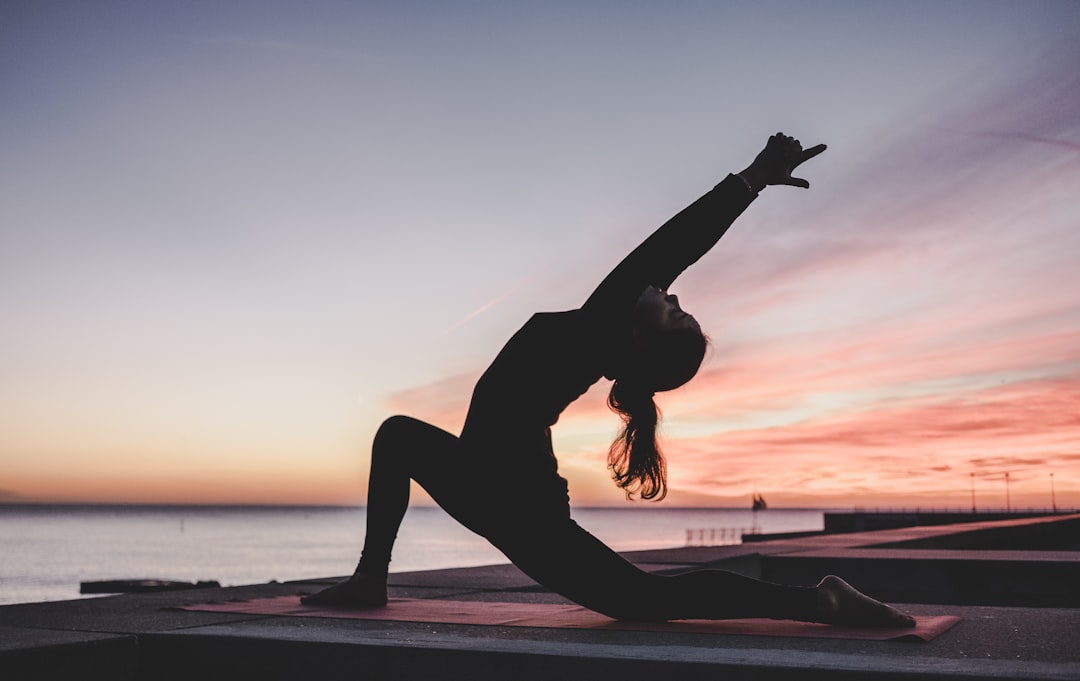
The third modality centers on active recovery. Yoga and dedicated stretching protocols calm the central nervous system. Dr. Emilė Radytė emphasizes techniques like controlled breathing and progressive muscle relaxation. Tensing muscles for five seconds and releasing them for thirty activates the parasympathetic nervous system. This physical release triggers an identical response within the brain.
Recovery is not the absence of work. It is the active maintenance of your physical asset.
What you consume directly influences this entire system. Dietitian Natalie Rizzo advocates for strategic nutritional plans that fuel mental stamina. A 31-day mental health routine requires proper dietary support to stabilize energy levels throughout the day. It is a holistic ecosystem. The food provides the foundation, and the movement dictates how that energy is utilized.
Movement is simply data entered into the biological system.
Local reporting from 828newsnow on April 25, 2026, confirmed that movement serves as a healthy outlet for emotional buildup. Regular engagement improves sleep architecture by regulating the internal clock.
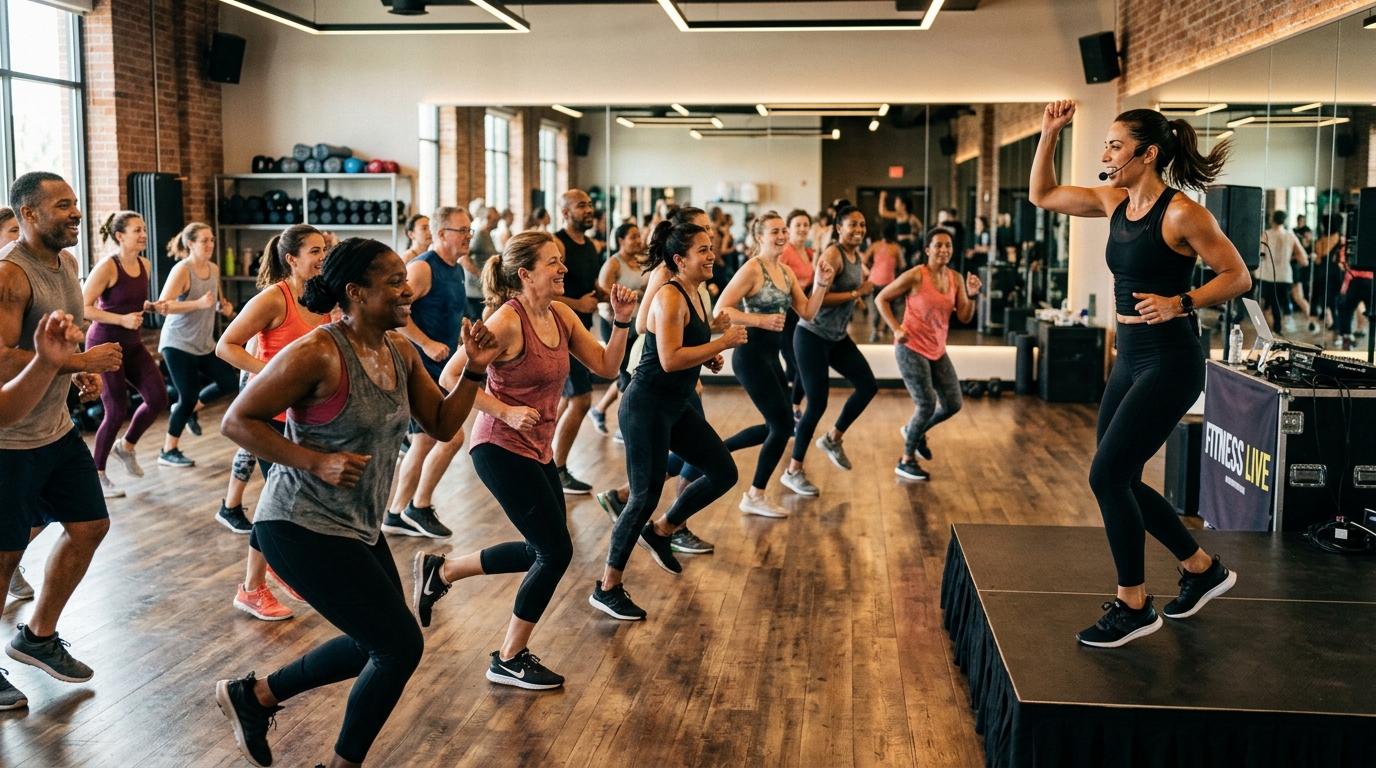
While aerobic exercises like group fitness show remarkable efficacy, caution remains necessary. Professor Jonathan Roiser of the UCL Institute of Cognitive Neuroscience advises against viewing exercise as a complete replacement for complex psychiatric interventions. The goal is augmentation rather than substitution. Movement is a tool for resilience, not a miraculous cure-all.
Consistency outpaces intensity. A simple walk holds more value than an abandoned marathon training plan.
The intersection of mental health and physical fitness is no longer a fringe concept. It is the prevailing doctrine of modern wellness. Managing stress requires active participation. You must physically move the tension out of the body.
Frequently Asked Questions
What is habit stacking in a fitness routine?
Habit stacking is a behavioral technique where you add a new, small habit to an existing daily action. For example, you might stretch for five minutes immediately after starting your coffee maker. This method removes the need for intense motivation by anchoring the new behavior to an established routine.
How does walking affect acute anxiety levels?
Walking provides a rapid influx of oxygen to the brain and triggers an immediate release of endorphins. This physical response lowers cortisol levels and naturally shifts focus away from internal stressors. It acts as an accessible, instant mood enhancer.
Can strength training act as a form of meditation?
Yes. Lifting weights requires deep concentration on physical form, breathing, and muscle contraction. This intense focus anchors the mind in the present moment and prevents anxious rumination.
What is progressive muscle relaxation?
Progressive muscle relaxation is a technique where you systematically tense specific muscle groups for five seconds and then release them for thirty seconds. Dr. Emilė Radytė highlights this method for activating the parasympathetic nervous system. It physically forces the body into a calmer state.
How does physical activity improve sleep quality?
Regular movement helps regulate the body's internal clock and hormonal balance. It metabolizes excess adrenaline and cortisol built up from daily stress. This allows the body to achieve a natural state of restfulness at night.
Should exercise completely replace traditional depression treatments?
No. While exercise is highly effective for boosting mood and managing anxiety, experts like Professor Jonathan Roiser advise caution. Physical activity should be viewed as a powerful supplementary tool rather than a standalone replacement for necessary psychiatric care.