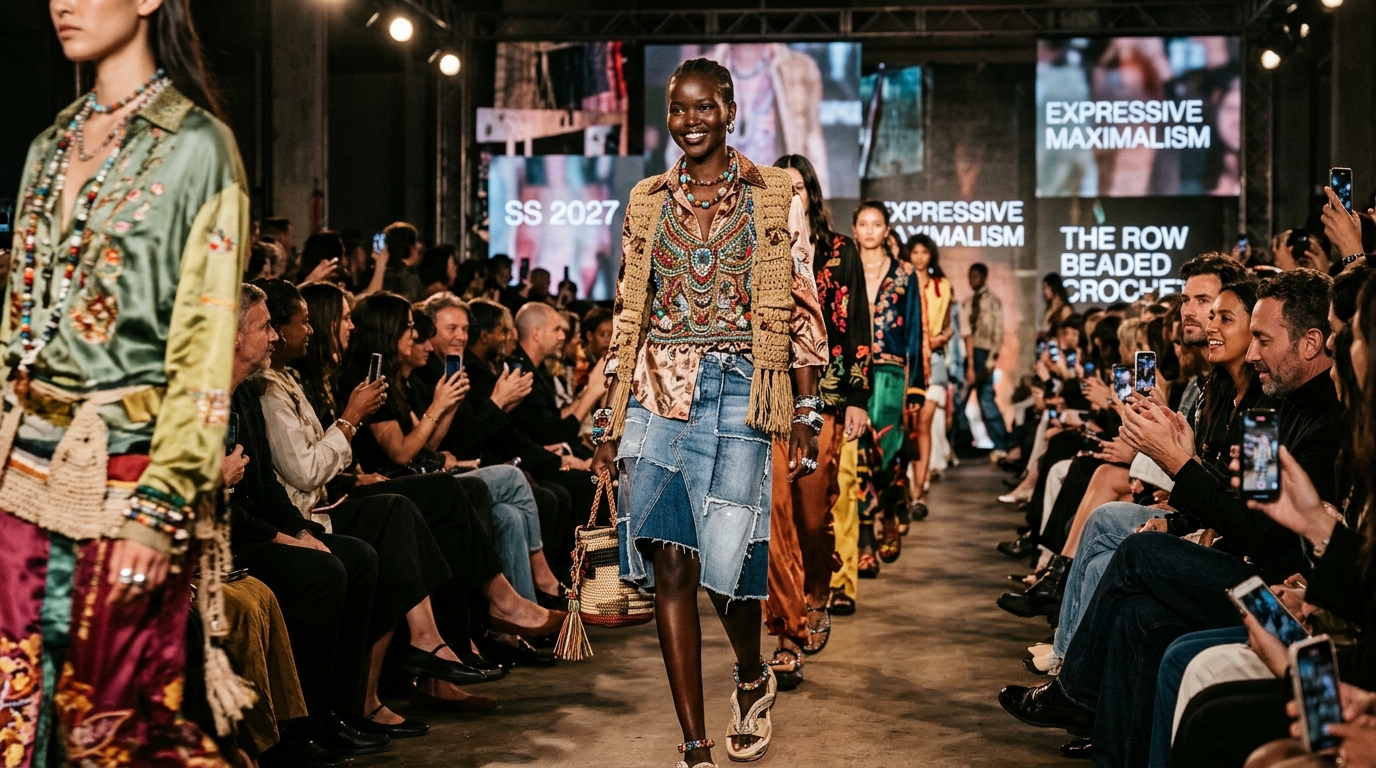
The fashion industry has reached a breaking point with algorithmic sameness. The Spring/Summer 2027 collections mark a definitive shift in how we merchandise maximalism. We are witnessing the end of prescriptive minimalism. Designers are instead offering wardrobes that demand personal intervention.
Quiet luxury is finally making way for something far more expressive. The stark whites of recent years now demand a bold clash.
Even a steadfast purveyor of restraint like The Row presented gorgeous beaded tops and crochet detailing this season. The current buyer takeaway is unanimous across the board. The smartest looks are deconstructable and entirely buildable. Consumers are fatigued by pre-packaged aesthetics. They want pieces that function as interchangeable components with a distinct edge.
This layered approach is the new baseline for retail survival.
Brands like 6397 and Celine have mastered this delicate balance. Waist accents developed significantly with the rise of the cummerbund. Statement buckle belts dominated street style outside the European shows.
Accessories offer a crucial entry point. They allow shoppers to add personality without overcommitting financially.
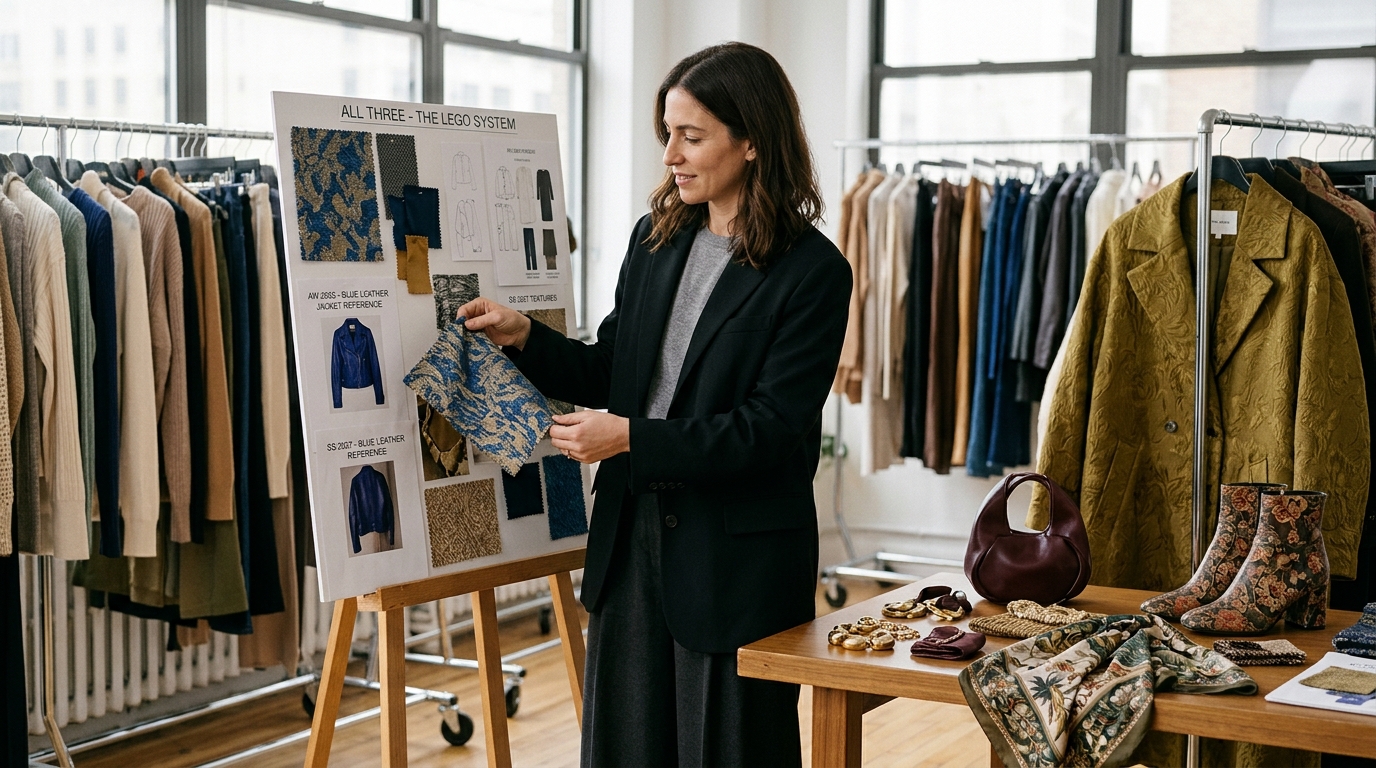
Tal Waksal of New York brand All Three refers to this as her Lego system. She designs with previous and future collections in mind. A blue leather jacket from Autumn/Winter 2026 dictated the introduction of new textures for Spring/Summer 2027. Shoppers are rarely buying a complete head-to-toe look anymore. They are seeking the single piece that slots perfectly into their existing closet.
Getting this product mix right can make or break seasonal sales.
The richness of textiles was particularly evident during the Autumn/Winter 2026 shows. Dries van Noten paired an oversized olive-gold jacquard duffle coat with floral-print boots. Drama has returned to the forefront of luxury dressing.
This exuberance naturally extends to the beauty sector. The restrained clean girl aesthetic is being firmly rejected.
Maximalist beauty relies on high-pigment color and undeniable impact. Lauren Reynolds showcased this at Chopova Lowena with oversized feather eyelashes and swampy green lips. Lilac is quickly emerging as beauty's new nude. Products like the Kosas gel eyeliner in Mesmerize provide a soft matte finish that flatters darker skin tones better than the sheer formulas of the past decade.
Beauty is once again treated as a playground for self-expression.
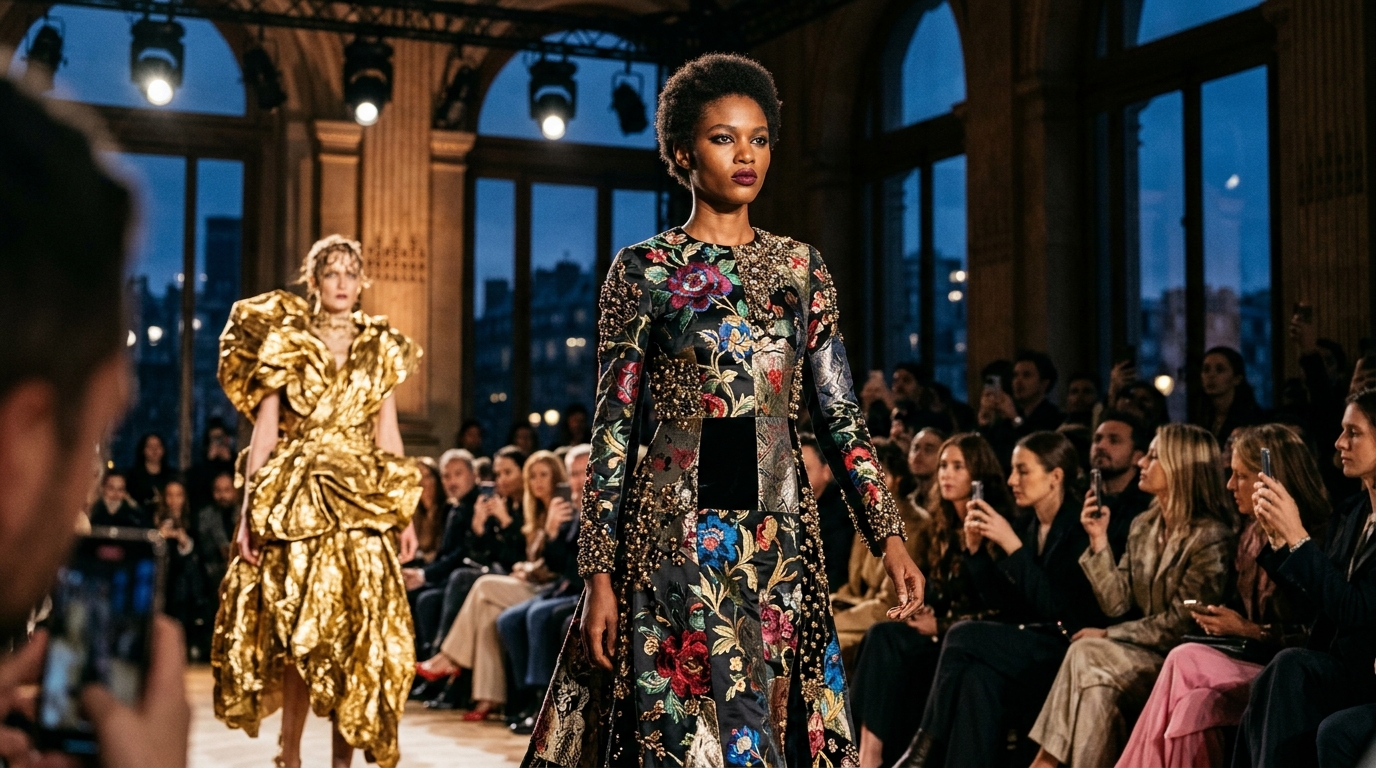
Erdem showcased patchwork gowns heavy with floral embroidery and metallic beadwork. Maison Margiela pushed boundaries with a sculptural golden ensemble. These garments require serious craftsmanship and an unapologetic attitude to wear.
Fashion simply forgot how to have fun for a while. Now, the strict rules are loosening in favor of unapologetic and joyous excess.
Julie Kegels treats her materials with a similar sense of playful coordination. She transforms a single red leather into matching shoes, bags, and belts. It reminds her of opening a Polly Pocket box where every tiny element belongs together. This specific merchandising strategy satisfies the consumer desire for value while offering the creative nuance needed to stand out in a crowded market.
Minimalism is not dead. It just requires significantly more effort to sell.
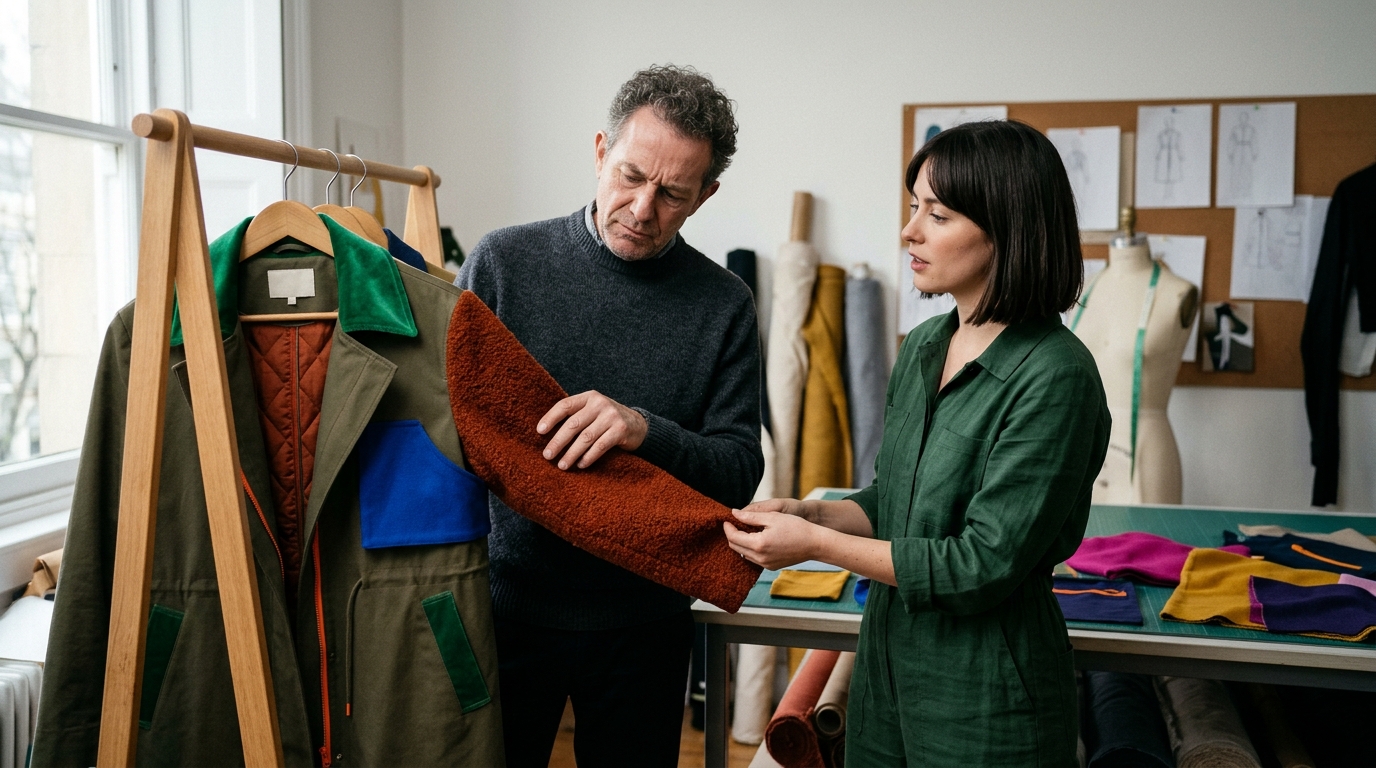
Designers must inject tactile fabrics and vibrant colors to keep pared-back looks relevant. The customer is skeptical and highly protective of their spending. Every single garment must prove its worth through sheer adaptability.
Independent brands are leading this strategic charge. TWP invested heavily in colorful technical fabrics this season.
Trish Wescoat Pound noted that belts are flying off the shelves for TWP. These accessories provide edge and refinement to any standard outfit. Mass-market brands are already capitalizing on the oval buckle trend. Retail intelligence platform EDITED reports that entry price points for these trending items sit well above the standard category baseline. The math is incredibly favorable for brands.
Extravagance is finally back on the menu for everyday wear.
Frequently Asked Questions
What is buildable maximalism in fashion?
It is a styling approach where bold, expressive pieces are designed to be layered and mixed. Consumers can integrate these items into their existing wardrobes rather than wearing a prescribed head-to-toe look.
How are fashion brands merchandising maximalism for 2027?
Brands are focusing heavily on deconstructable looks and versatile accessories. They are offering statement belts, scarves, and textured layers that serve as entry-level purchases for budget-conscious consumers.
What is the All Three Lego system?
This is a design philosophy created by Tal Waksal for her brand All Three. It involves designing new collections specifically to layer and coordinate with complementary pieces from previous and future seasons.
Is the quiet luxury trend completely over?
Minimalism is not entirely gone, but it has evolved. Designers are updating pared-back looks by incorporating tactile fabrics, vibrant colors, and craft elements to justify their value in a crowded market.
What defines maximalist beauty trends?
Maximalist beauty rejects the neutral clean girl aesthetic. It embraces high-pigment colors, shimmering glitter, dramatic feather eyelashes, and bold red or lilac shades that act as tools for personal self-expression.