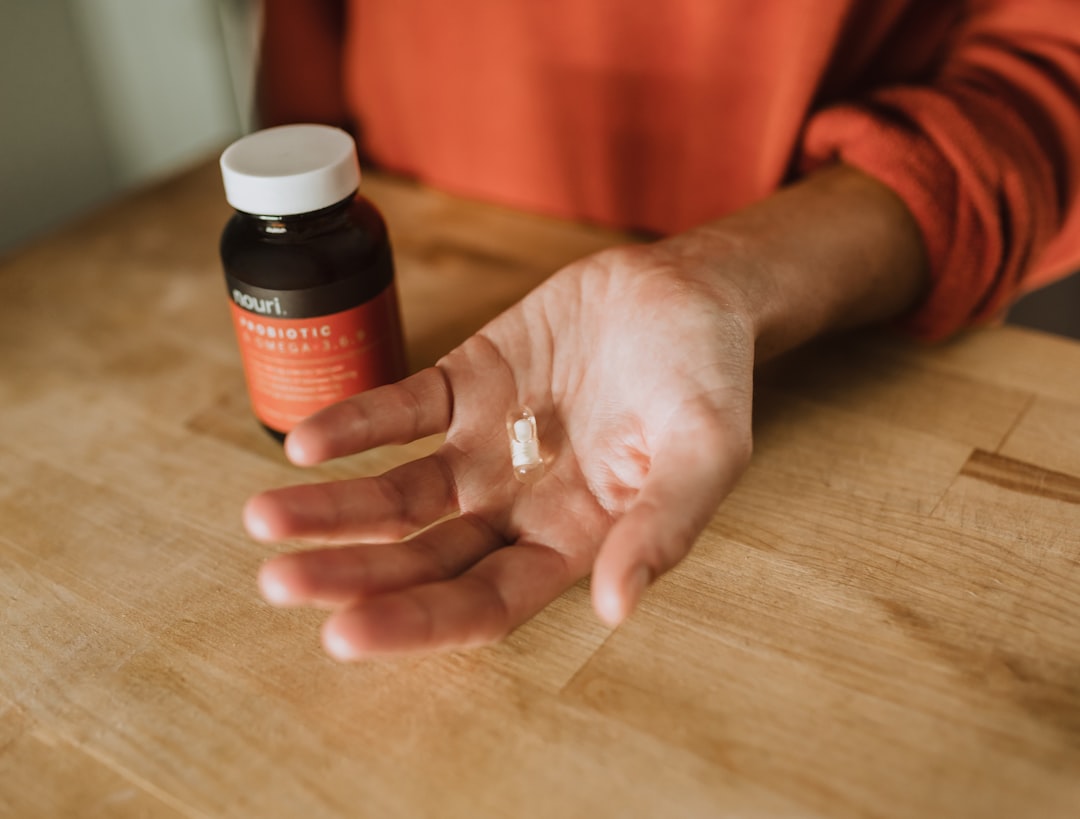
The wellness industry has spent the last decade selling us a micro-sized salvation. We are consuming these targeted bacterial strains at unprecedented rates. Gastroenterologists say these 6 signs could mean your gut needs a probiotic. The market data reflects a society desperately seeking internal equilibrium.
U.S. adults increased their probiotic intake by an astonishing 287 percent between 2009 and 2023.
Yet this surge in supplement reliance masks a fundamental dietary failure. A recent study published in Clinical Gastroenterology and Hepatology reveals that while people are eagerly purchasing these bottled microorganisms, their dietary fiber intake remains stagnant. Dr. Kira L. Newman led the research at the University of Michigan. She notes that consumers are missing the structural foundation of health.
These beneficial bacteria require actual dietary fiber to survive.
If you are simply swallowing a pill without altering your diet, you are starving the very microbes you paid to ingest. The gap between health policy and modern consumption habits has never been more glaring. We are buying the paint but refusing to build the walls.
Most healthy individuals with a varied diet do not require daily supplementation. Dr. Ruvini Wijetilaka is a board-certified internal medicine physician and medical advisor for VSL Probiotics. She points out that the microbiome is the control center for immune function and hormone metabolism. When this system fractures, the body sends clear signals that intervention is necessary.
Dr. Arkady Broder of Saint Peter’s University Hospital identifies irritable bowel syndrome symptoms as the primary diagnostic indicator.
Swinging violently between constipation and diarrhea is a profound microbiome red flag. Frequent bloating and gas after regular meals indicate that your internal flora is struggling to break down food efficiently. It is a mechanical failure requiring an immediate biological correction.
Taking antibiotics creates a similar internal devastation within your digestive tract.
These medications do not discriminate between harmful infections and beneficial bacteria. They act as a chemical wildfire. Initiating a probiotic protocol alongside an antibiotic prescription is one of the most scientifically supported uses of these supplements. It helps prevent antibiotic-associated diarrhea and accelerates the restoration of normal flora. The intervention serves as a necessary ecological rescue.

Frequent illness is another subtle indicator. A massive portion of the human immune system is actively trained and regulated within the digestive tract.
If you find yourself catching every passing cold, an imbalanced microbiome is likely the culprit. Certain strains can actively reduce the duration of upper respiratory infections. The connection extends far beyond the stomach and directly impacts how we fight external pathogens on a daily basis.
Stubborn skin conditions offer another highly visible diagnostic clue.
Acne, eczema, and rosacea share a documented connection with intestinal health. When topical treatments fail to produce results, gastroenterologists frequently turn their attention inward. The skin is often just a mirror reflecting internal inflammation. Modulating the gut flora can provide the missing link in treating these persistent dermatological frustrations.
Your psychological state is equally tethered to this internal ecosystem through the intricate vagus nerve.
The gut produces a significant volume of the body’s serotonin. Persistent low mood and an inability to concentrate often accompany digestive symptoms. Restoring bacterial balance has been associated with reduced negative moods in otherwise healthy adults. It is a biological dialogue between the stomach and the brain.

Unexplained food intolerances represent the final and most frustrating warning sign.
A sudden inability to process dairy is incredibly common. Specific fermented organisms help break down lactose efficiently. This is why kefir is typically tolerated much better than traditional plain milk. The right bacteria act as microscopic digestive assistants. Choosing the correct intervention requires an understanding of clinical specificity rather than blind consumerism.
Strain specificity matters more than generic marketing claims. Dr. Wijetilaka warns against products that broadly advertise gut health without naming their specific strains. Third-party testing and published clinical research are entirely non-negotiable.
VSL#3 is a multi-strain medical food frequently recommended for conditions like ulcerative colitis and pouchitis.
It operates across multiple points in the gastrointestinal tract simultaneously. The market also offers accessible alternatives for general maintenance. Culturelle Digestive Daily, Align Probiotic Pro Formula, and Garden of Life Dr. Formulated Once Daily are all highly regarded by medical professionals. Dr. Susan Kais, a dual board-certified gastroenterologist in Cincinnati, advises consulting a healthcare team before starting any new regimen.
Dietary supplements are never meant to be absolute cures.
The modern approach to wellness requires both clinical intervention and structural dietary changes. You cannot simply out-supplement a diet completely devoid of fiber. True health demands a commitment to the less glamorous reality of whole foods.
Frequently Asked Questions
What are the most common signs that I need a probiotic?
The primary indicators include unpredictable digestive issues like chronic bloating, alternating constipation and diarrhea, and excessive gas. Other signs include frequent illnesses, stubborn skin conditions like acne or eczema, unexplained mood drops, and newly developed food intolerances.
Should I take probiotics while on antibiotics?
Yes. Antibiotics destroy both harmful and beneficial bacteria in your digestive tract. Taking a probiotic alongside your prescription is highly supported by clinical research to prevent antibiotic-associated diarrhea and help restore your natural gut flora.
Do I still need to eat fiber if I take a probiotic supplement?
Absolutely. Probiotics are live microorganisms that require dietary fiber to survive and thrive in your gut. Taking a supplement without eating fiber-rich foods like vegetables, legumes, and whole grains significantly reduces the effectiveness of the probiotic.
How do I choose the right probiotic supplement?
You must look for products that specify the exact bacterial strain rather than just a broad genus name. Ensure the product has undergone third-party testing and is backed by clinical research for the specific condition you are trying to address.
Are probiotic supplements safe for everyone?
They are generally safe for most healthy adults and children. However, immunocompromised individuals, critically ill patients, premature infants, and those with structural heart disease should avoid them or consult a doctor first due to the risk of bloodstream infections.