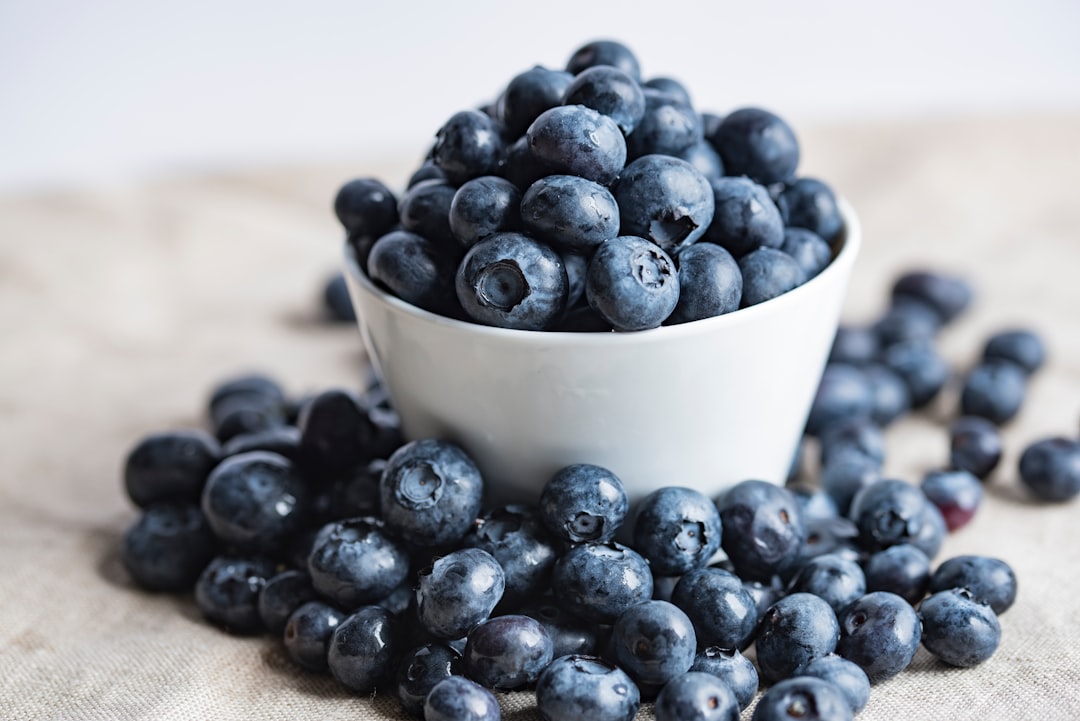
The wellness industry is perpetually searching for the next miracle ingredient. A natural compound in blueberries and grapes may unlock a fat-burning process in muscle cells, shifting our focus from superficial aesthetics to precise cellular mechanics. A recent study out of Japan illuminates a biological reality rather than a marketing trend. The subject at hand is myosteatosis. This condition involves the accumulation of lipid droplets within skeletal muscle tissue.
Excess muscle fat quietly sabotages metabolic flexibility and insulin sensitivity over time.
On September 1, 2026, the journal Food Bioscience published findings that anchor this abstract biological concern to a tangible dietary compound. Researchers at Shinshu University identified pterostilbene as a potent agent in fat metabolism. This naturally occurring polyphenol is found abundantly in blueberries and grapes. The study was led by Associate Professor Takakazu Mitani.
The science focuses strictly on cultured mouse skeletal tissue.
Mitani and his team screened a variety of food-derived compounds to observe their effects on lipid accumulation. Pterostilbene delivered the most significant reduction in fat storage. It achieved this without disrupting normal muscle development.

The mechanism of action is where the true elegance of this research lies. Pterostilbene does not simply block fatty acids from entering the muscle cells. Instead, it alters the internal processing framework of the tissue. The compound stabilizes a crucial protein known as PPAR-delta. When this specific protein pathway remains active, it actively promotes fatty acid oxidation. It essentially forces the cell to consume its own stored fat.
Researchers detected increased glycerol outside the cells during their testing.
This release of glycerol serves as a definitive marker that stored lipids are being broken down for energy. Most experimental compounds attempt to bind directly to the PPAR-delta receptor. Pterostilbene takes an entirely different and indirect route.
It actively protects the protein from routine cellular degradation processes.
Cells naturally clear out unneeded proteins through the ubiquitin-proteasome pathway. Pterostilbene effectively slows this degradation cycle for the PPAR-delta protein. By preserving the protein architecture within the cell, it allows continuous transcriptional activity. This stabilization significantly boosts the expression of genes responsible for lipid metabolism and cellular energy expenditure.

Translating these cellular mechanisms into practical dietary advice requires absolute precision. We are currently looking at an experimental framework rather than a finished commercial product.
Eating a bowl of blueberries will not instantly dissolve the lipid droplets hiding inside your muscle tissue.
Johannah Katz is a registered dietitian who views these findings through a lens of physiological realism. She points out that isolated cell models strip away the immense complexity of human digestion. For a polyphenol to work in humans, it must be completely digested and absorbed into the bloodstream. It then needs to reach the actual muscle tissue at a highly concentrated dose to mimic these laboratory results.
Mouse biology does not always mirror human metabolic responses perfectly.
The current lack of approved treatments for myosteatosis makes this discovery highly relevant for the pharmaceutical and functional food markets. The Shinshu University team has provided a definitive starting point for future nutritional supplement development.

Mitani acknowledges that further in vivo research is mandatory to evaluate the true effectiveness of pterostilbene. Scientists must confirm how selectively the compound targets specific biological pathways in living organisms. As metabolic diseases continue to rise globally, the appeal of a natural dietary intervention is undeniable. The industry is watching closely to see if these early cellular victories can successfully scale upwards into human applications.
For now, blueberries and grapes remain exceptionally nutritious additions to a balanced daily diet.
They offer a masterclass in natural design. We just have to wait for clinical human trials to fully unlock their pharmacological potential in muscle tissues.
The broader context of healthy aging cannot be ignored when evaluating this new data. As populations grow older, the natural decline in metabolic efficiency becomes a pressing clinical issue. Excess fat stored deep within skeletal muscle directly contributes to this systemic slowdown. Finding a botanical agent capable of safely reversing that internal buildup is a highly lucrative and necessary pursuit.
The supplement sector thrives on exactly this kind of early data.
Until rigorous human trials are officially published, pterostilbene will likely begin appearing in specialized fitness formulas. Smart consumers will recognize that these products are banking on biological potential rather than proven physiological results.
Frequently Asked Questions
What is pterostilbene and where is it found?
Pterostilbene is a naturally occurring polyphenol. It is most commonly found in blueberries, grapes, and other types of berries. It acts as an antioxidant and is currently studied for its metabolic benefits.
How does pterostilbene affect muscle fat?
It helps cultured muscle cells break down stored lipids for energy. The compound stabilizes a protein called PPAR-delta, which promotes fatty acid oxidation. This prevents the abnormal buildup of fat inside the skeletal tissue.
Will eating blueberries help me burn muscle fat?
Eating blueberries provides nutritional benefits, but it does not guarantee targeted muscle fat loss. Clinical studies have only proven the fat-burning mechanism in isolated laboratory mouse cells. Human digestion alters how much of the compound actually reaches the muscle tissue.
What is myosteatosis?
Myosteatosis is the abnormal accumulation of fat inside skeletal muscle cells. It is often caused by aging, inactivity, or high-fat diets. This condition can interfere with normal muscle function and contribute to insulin resistance.
Are there approved treatments for muscle fat buildup?
There are currently no officially approved medical treatments specifically targeting myosteatosis. Researchers are exploring dietary interventions and natural compounds like pterostilbene to fill this clinical gap.
When was the Shinshu University study published?
The findings from the Shinshu University research team were published on September 1, 2026. The study appeared in Volume 83 of the Food Bioscience journal.