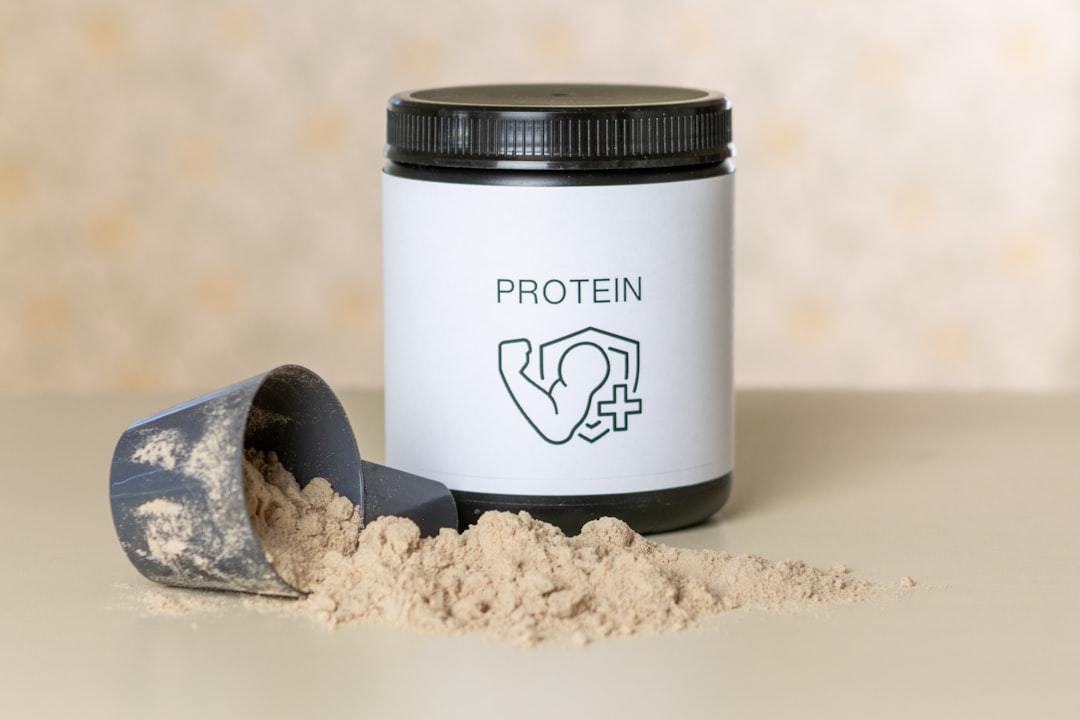
The landscape of sports nutrition is undergoing a drastic transformation. Gym rats beware: A protein powder shortage is here, and it is reshaping the broader market. What was once a cheap byproduct of cheese manufacturing is now a highly guarded commodity. The fitness community must navigate an unprecedented disruption in everyday routines as wholesale ingredient costs skyrocket.
Supplies are incredibly tight across the market. The days of grabbing oversized tubs of whey on a casual grocery run are fading.
Costco has inadvertently become the front line of this nutritional shift. As prices climb across the board, shoppers are flocking to their local warehouses to stockpile remaining inventory. Costco’s chief financial officer, Gary Millerchip, addressed the surge during a Thursday earnings call. He noted that absolutely anything packed with protein is currently selling exceptionally well.
The retail giant is actively leaning into this massive boom.
You will find pallets of powders, bars, and shakes dominating the prime real estate near Costco cash registers. The company’s Kirkland Signature ultra-filtered protein milk has become an unexpected cultural phenomenon.
Costco CEO Ron Vachris credits this insatiable demand directly to the explosive popularity of GLP-1 weight-loss drugs. These medications are fundamentally altering how consumers approach their daily diets. A new hyper-focus on preserving muscle mass while shedding weight has created a halo effect. Buyers are snapping up nutrients, magnesium, and fiber with intense and sudden urgency.
This frenzy extends far beyond the warehouse aisles. The entire global economy is feeling the crush of spiraling ingredient costs.
The United States Department of Agriculture issued a stark warning last week regarding whey protein concentrate. They confirmed that production remains severely limited while national inventories are undeniably tight. Wholesale prices for whey powder skyrocketed to the highest levels on record in April. This specific ingredient is what transforms ordinary snacks into fitness commodities.
Massive corporate conglomerates are monopolizing the supply.
Heavyweights like Starbucks and Mars are buying up the remaining powder to fuel their own product lines. Smaller independent brands are left scrambling for scraps. They simply cannot compete with that purchasing power.

The true financial impact has not fully hit the consumer level just yet. Scott Dicker, senior director of research at Spins, noted that it typically takes twelve to eighteen months for raw ingredient costs to reflect in retail shelf prices. Shoppers are currently enjoying a temporary grace period. The inevitable price hikes are looming on the horizon for late next year without fail.
Some snack manufacturers foresaw this specific complication. They actively avoided the whey market to escape this supply nightmare.
Wilde Protein Snacks produces chips made entirely from chicken breast and egg whites. Chief Executive Officer Jason Wright admitted he sometimes envies competitors who quickly spike their products with whey. He is ultimately relieved his brand took a different path. The reliance on non-whey alternatives like soy, pea, and animal proteins is about to become an industry standard by necessity.
The supplement market is forcing a strict dietary evolution.
Fitness enthusiasts must adapt their consumption habits immediately. The era of mindless protein loading is ending. Thoughtful, alternative sourcing is the only viable strategy moving forward in this constrained landscape.

NielsenIQ data paints a stark picture of this shifting retail reality. The average price of products advertising whey protein on their packaging has surged thirty-two percent over the last four years. Despite this massive markup, total dollar sales for these goods still jumped seven percent last year alone. The consumer appetite for enriched nutritional snacks is truly unyielding.
Shoppers are completely desensitized to the climbing costs. They view protein supplementation as a fundamental medical necessity.
Meat-based alternatives are quietly reaping the benefits of this whey deficit. Circana data reveals that sales of dried meat snacks and jerky increased by nearly seven percent in volume over the past year. Brands utilizing beef and chicken are suddenly positioned as premium health choices. The market is shifting away from processed dairy derivatives toward primitive protein sources.
The definition of the typical post-workout snack is changing.
This shortage fundamentally exposes the fragility of our modern nutritional supply chain. A single ingredient bottleneck has upended global food manufacturing. The fitness industry must prepare for a very expensive future.
Frequently Asked Questions
Why is there a protein powder shortage right now?
The current shortage is driven by high consumer demand and limited production. The explosive popularity of GLP-1 weight-loss drugs has created a massive spike in consumers seeking muscle-preserving nutrients. Additionally, large corporations are buying up the limited supply of whey for their own snack lines.
Will the price of my whey protein supplement increase?
Yes, retail prices for protein supplements are expected to rise. Wholesale prices for whey powder reached record highs in April. Market analysts predict these increased raw material costs will hit store shelves within the next twelve to eighteen months.
How are GLP-1 weight-loss drugs affecting the supplement market?
Medications like Ozempic and Wegovy are fundamentally changing dietary habits. Patients using these drugs often experience muscle loss alongside fat reduction. This side effect has triggered a surge in demand for high-protein products to help maintain lean muscle mass.
What are the best alternatives to whey protein powder?
Consumers and brands are pivoting toward plant-based and animal-based alternatives. Pea, soy, and brown rice proteins are becoming standard replacements in shakes and bars. Some snack manufacturers are also relying entirely on chicken breast and egg whites to bypass the whey shortage.
Why is Costco selling out of protein products?
Costco is experiencing unprecedented demand for all protein-dense items. The wholesale club offers competitive pricing during a time of spiraling ingredient costs, making it a primary destination for bulk buyers. Their Kirkland Signature ultra-filtered protein milk has been particularly successful among health-conscious shoppers.