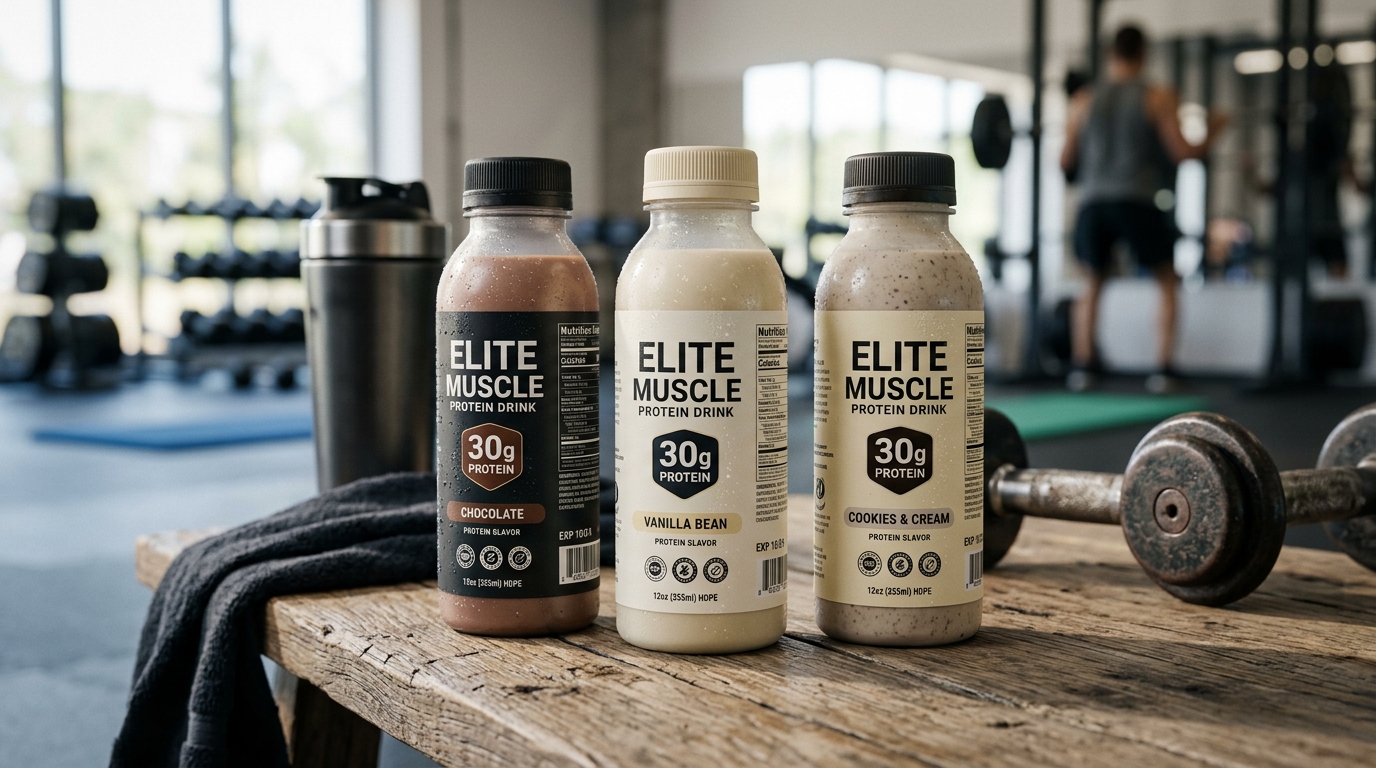
The wellness industry has officially entered an era of macronutrient maximalism where protein drinks dominate the market. Look closely at the shelves of any premium grocer and you will notice a bizarre transformation. Pancake mixes, morning coffees, and even sodas are now weaponized with whey and collagen. USC students note even cookie brands are joining this current craze.
This obsession with optimization is not entirely unfounded. Federal dietary guidelines recently shifted their recommendations upward.
The longstanding baseline of 0.8 grams of protein per kilogram of body weight is officially outdated. Clinical professor Kurt Hong notes that the 2025 to 2030 Dietary Guidelines for Americans raised the target to a substantial 1.2 to 1.6 grams. This shift is fueling a fortified food market expected to surpass $100 billion by 2030. Yet dietitians are sounding the alarm on the liquid delivery mechanisms.
Liquid convenience rarely translates to dietary excellence.
San Francisco dietitian Sonya Angelone and nutritionist Scott Keatley emphasize the biological necessity of chewing. Whole foods force your digestive tract to work slowly. This mechanical process triggers lasting satiety.

Liquid alternatives flood the system with amino acids but strip away essential structural benefits. A piece of fish or a handful of legumes delivers iron, zinc, magnesium, and critical B vitamins alongside the protein. Shakes and protein sodas frequently replace these vital micronutrients with artificial sweeteners, heavy caffeine loads, and questionable chemical emulsifiers.
Your body is not a machine capable of unlimited absorption. There is a strict biological ceiling on what you can actually process.
Keatley points out that the human digestive system can generally only utilize 20 to 22 grams of high-quality protein per meal for muscle building. Consuming massive quantities in a single beverage does not accelerate your fitness goals. The excess amino acids are simply oxidized for energy, excreted as urea, or converted in the liver and stored as fat if your total caloric intake is high enough.
More protein does not automatically build more muscle mass.
The consequences of poor protein strategies extend beyond the gym. Dr. Pradyut Ranjan Bhuyan of Manipal Hospital explains that protein deficiency severely impacts brain structure and neurotransmitter production over time.

Amino acids are the foundational building blocks for dopamine, serotonin, and norepinephrine. A diet lacking proper protein absorption leads directly to brain fog, mood swings, and profound fatigue. Dr. Ramesh Patail stresses that merely swallowing protein is insufficient. You must pair it with vitamin B6 from spinach or digestive enzymes from papaya to ensure actual absorption.
Liquid supplements certainly have their place in compressed schedules or post-workout windows. They are a tool rather than a base.
True nutritional sophistication requires a return to structural eating. Dietitian Jessica Cording observes a significant psychological disconnect when clients drink their meals instead of chewing them. A balanced plate anchored by whole foods remains the gold standard. Chasing an arbitrary protein number through enhanced coffees is a fast track to gastrointestinal distress and dietary imbalance.
Real nourishment demands intention rather than sheer speed.
The industry wants you to believe that a beverage can fix a broken diet. Marketing campaigns deliberately blur the lines between a medical supplement and a casual refreshment. This creates a dangerous halo effect around processed foods.
Consider the composition of a typical fortified snack or beverage. While a brand might boast about fifteen grams of added whey, they rarely highlight the accompanying sodium spike or the complete absence of dietary fiber. When you prioritize a numerical target over ingredient quality, you inadvertently sacrifice the protective plant compounds critical for long-term metabolic health.
The ultimate luxury in modern wellness is taking the time to prepare and consume a meal composed entirely of unprocessed ingredients.
Frequently Asked Questions
What is the recommended daily intake for protein?
The historical baseline was 0.8 grams per kilogram of body weight. Recent dietary guidelines have updated this recommendation to a range of 1.2 to 1.6 grams per kilogram for optimal health and muscle maintenance.
Can your body absorb unlimited amounts of liquid protein?
No. The human digestive system can typically only utilize 20 to 22 grams of high-quality protein per meal for muscle synthesis. Any excess is oxidized for energy, excreted as urea, or stored as fat.
Why do dietitians prefer whole food protein sources?
Whole foods provide essential micronutrients like iron, zinc, magnesium, and B vitamins that drinks lack. The mechanical act of chewing also slows digestion and significantly increases your natural feeling of fullness.
Does drinking protein lead to weight gain?
Consuming excessive amounts of protein beyond your daily caloric needs can easily lead to weight gain. Liquid supplements often lack fiber and contain added sugars or emulsifiers that contribute to an unintended caloric surplus.
How does protein deficiency affect the brain?
Amino acids from protein are required to produce neurotransmitters like dopamine, serotonin, and norepinephrine. A lack of these foundational elements can cause brain fog, severe mood swings, and chronic fatigue over time.
What foods help improve protein absorption?
Pairing your protein with vitamin B6 from sources like spinach or bananas improves cellular absorption. Consuming fruits rich in digestive enzymes such as papaya and pineapple also helps break down the nutrients efficiently.