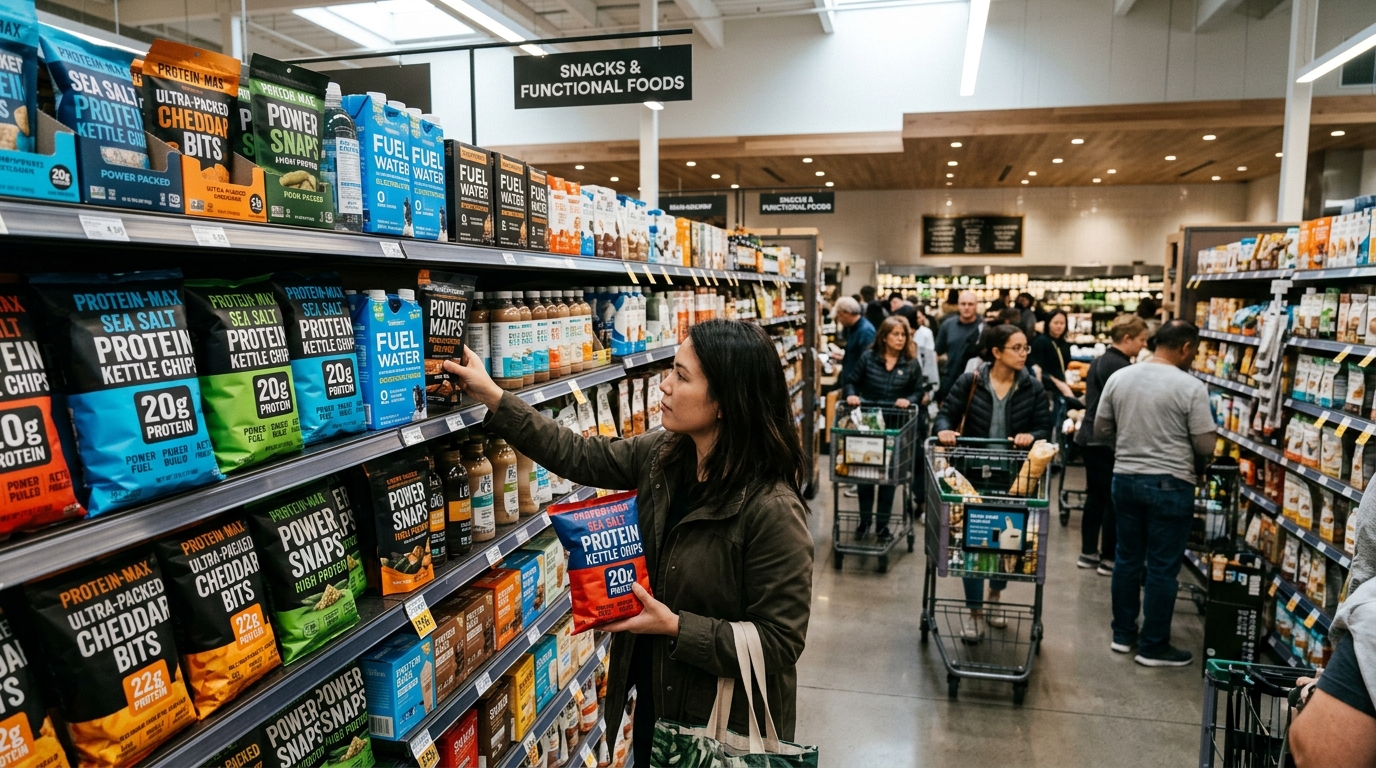
Walk through any high-end grocery store today. You will notice a peculiar shift in the packaging. Products that once had entirely different identities are now dressed in bold typography boasting their protein content. Bottled water and potato chips have suddenly become functional foods. This is the era of protein-maxxing.
It is a social media obsession masquerading as nutritional science.
Marily Oppezzo is a dietician and instructor of medicine at the Stanford Prevention Research Center. She views this cultural fixation with a healthy dose of skepticism. She compares our current protein obsession to the low-fat craze of the 1990s. We have essentially granted protein a flawless health halo. It is important for cellular repair and muscle synthesis. It is simply not a magical fountain of youth.
The actual science tells a much quieter and grounded story.
The federal recommended daily allowance for adults was traditionally 0.8 grams per kilogram of body weight. Recent guidelines pushed this to 1.2 to 1.6 grams. This jump sounds significant. The reality is that most Americans already consume this amount effortlessly.
Adult men in the United States routinely consume around ninety to one hundred grams of protein daily. Women average sixty-five to seventy-five grams. Christopher Gardner is the director of nutrition studies at the Stanford Prevention Research Center. He notes that the original guidelines were designed to cover the needs of nearly all Americans. There is no biological necessity to constantly beat this baseline.
The market has simply manufactured a deficit that does not actually exist.
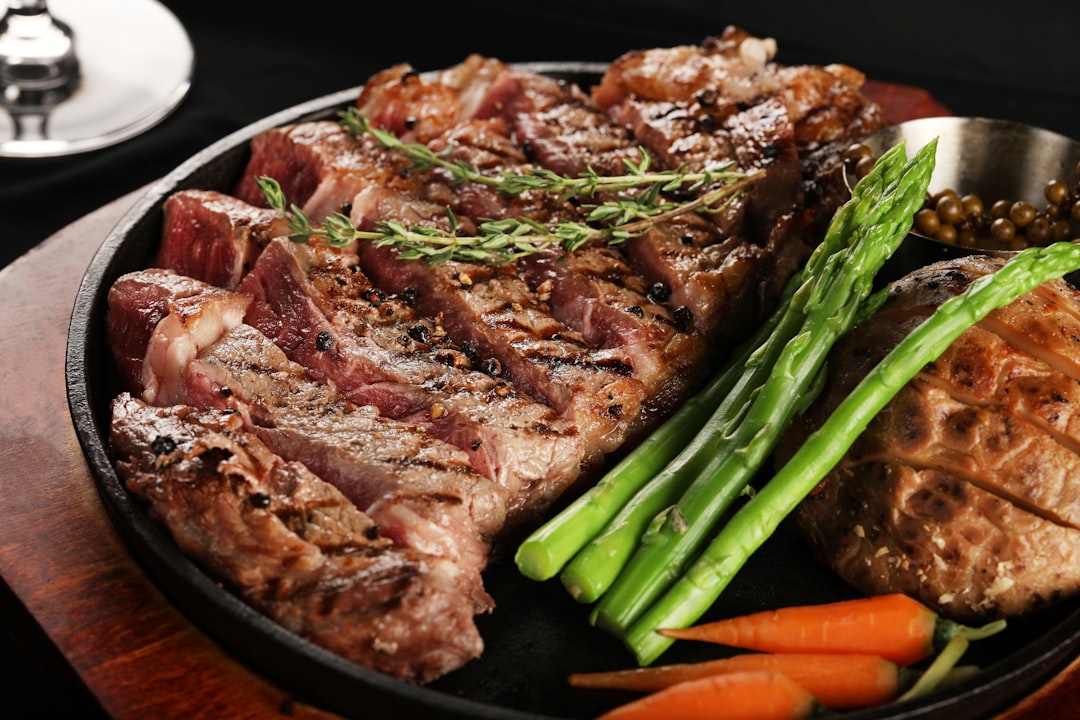
Gardner actively works to dismantle the myth of the incomplete protein. Wellness circles have long perpetuated the idea that plant proteins lack certain amino acids. This requires elaborate meal pairing to achieve nutritional harmony. It is complete fiction.
Plant proteins contain all twenty amino acids. Legumes possess slightly less of one specific amino acid than animal products do. This minor discrepancy is completely irrelevant given the sheer volume of our overall dietary intake. A recent study confirmed that a vegan diet is just as effective for muscle building as an omnivorous one. The source of the raw material simply does not matter.
We must also address the persistent myth of the post-workout anabolic window.
Gym culture insists you must consume a protein shake immediately after exercising. The true window for muscle repair actually lasts about twenty-four hours. Eating regular and balanced meals throughout the day is entirely sufficient for recovery.
There are exceptions to these general rules. Adults over forty and individuals on weight loss medications face different physiological demands. Oppezzo recommends higher intake for these groups to prevent age-related muscle deterioration. Yet she clearly states that resistance training is the cake. Protein is merely a thin layer of frosting. The physical act of strength training halts muscle loss.

Eating more protein will not magically build muscle mass on its own.
Oppezzo points out another pervasive misunderstanding regarding absorption limits. Many believe the human body cannot process more than twenty-five grams of protein in a single sitting. This leads to an exhausting schedule of micro-meals. Scientific studies prove there is no metabolic difference between eating seventy-five grams at once or dividing it up.
Older adults do benefit slightly from concentrated doses at mealtime.
Aging bodies require a stronger signal to trigger muscle protein synthesis. Splitting intake intentionally can be a useful strategy for the elderly. For the average healthy adult, meal timing is largely a matter of personal convenience.
This relentless focus on a single macronutrient has real consequences. The current dietary guidelines heavily emphasize meat and dairy. This inevitably leads to increased consumption of saturated fats. It also entirely ignores what we are actually missing in our daily routines.
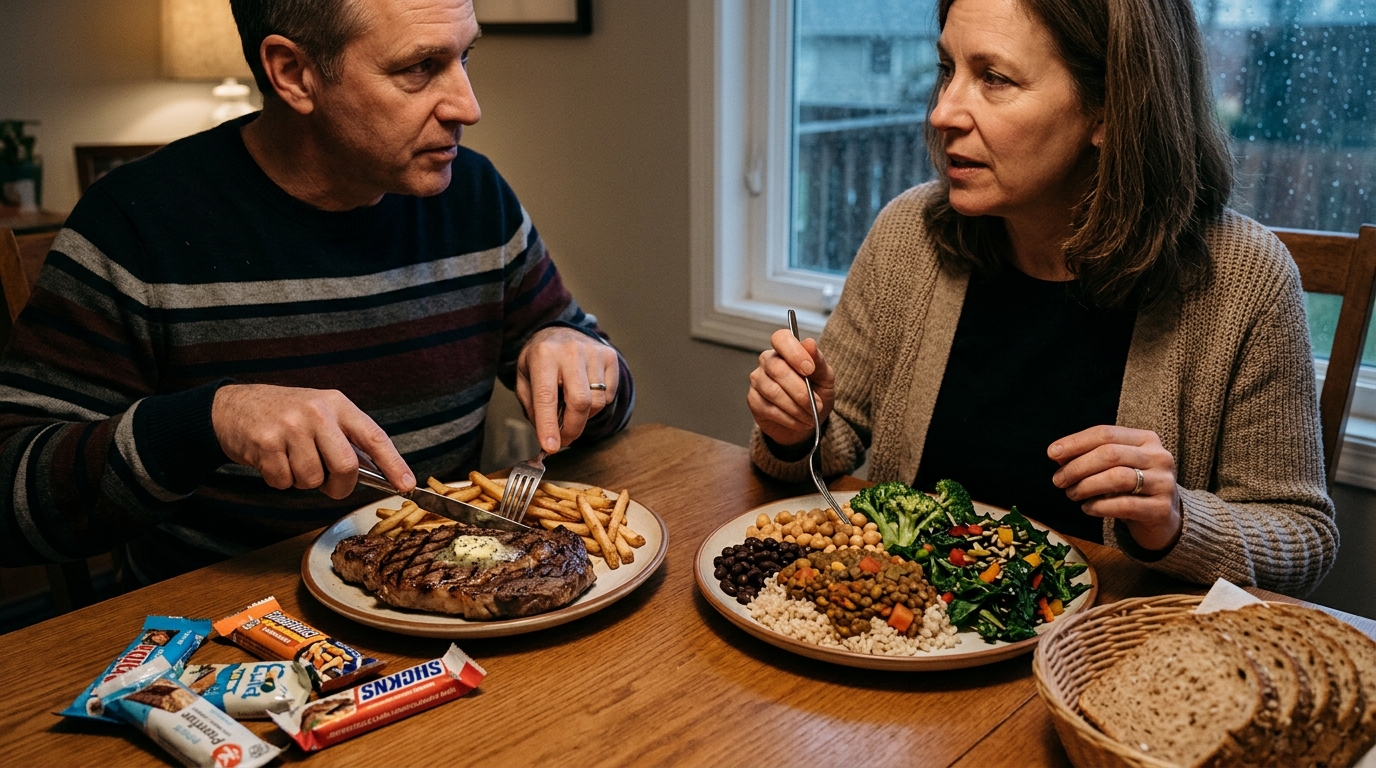
Only five percent of Americans meet the daily recommended allowance for fiber. We are filling our plates with steaks and artificially enhanced snack bars. We are actively neglecting beans, legumes, and whole grains. These neglected foods provide essential antioxidants and phytochemicals. They lower inflammation and reduce the risk of chronic diseases. Our obsession has blinded us to genuine nutrition.
The global conversation is slowly beginning to reflect this reality.
Celebrity wellness influencer Rujuta Diwekar recently sparked a viral debate in India. She criticized the younger generation for pushing unnecessary protein supplements onto their older parents. Her message struck a chord because it highlighted the absurdity of the trend.
The supplement industry has built an empire on making us feel chronically deficient. We are buying into a narrative that our natural diets are inherently flawed. The truth is that nature provides an abundance of essential amino acids in very simple packages. A plate of lentils offers a masterclass in efficient and complete nutrition. We just need to stop looking for shortcuts in plastic tubs.
True dietary sophistication lies in balance rather than blind excess.
Frequently Asked Questions
How much protein do I actually need per day?
The estimated average requirement for an adult is 0.66 grams per kilogram of body weight. The standard recommended dietary allowance is set slightly higher at 0.8 grams to cover the vast majority of the population. New guidelines suggest 1.2 to 1.6 grams, but most adults already naturally consume this amount through a standard diet.
Do plant-based proteins lack essential amino acids?
No. Plant proteins contain all twenty amino acids. While legumes may have a slightly lower amount of one specific amino acid compared to meat, it does not impact your health if you are eating a standard volume of food.
Is it necessary to drink a protein shake right after working out?
There is no immediate rush to consume protein after a workout. The muscle repair window lasts for roughly twenty-four hours. Eating well-balanced meals throughout the day provides your body with ample resources for recovery.
Can the body only absorb 25 grams of protein per meal?
This is a misconception. Studies show that the human body can metabolize a large dose of 75 grams of protein just as effectively as three smaller meals of 25 grams. Meal timing and sizing is mostly a matter of preference.
Does a high protein diet prevent muscle loss during aging?
Increased protein intake can assist adults over forty in preserving muscle mass. However, dietary changes are secondary to physical activity. Resistance training is the primary and most effective method for stopping age-related muscle loss.
Why is fiber considered more important than protein right now?
Most adults already consume more than enough protein, but only five percent of Americans meet their daily fiber requirements. Fiber is crucial for gut health, lowering inflammation, and reducing the risk of cardiovascular disease. Focus should shift toward legumes and whole grains to correct this deficit.