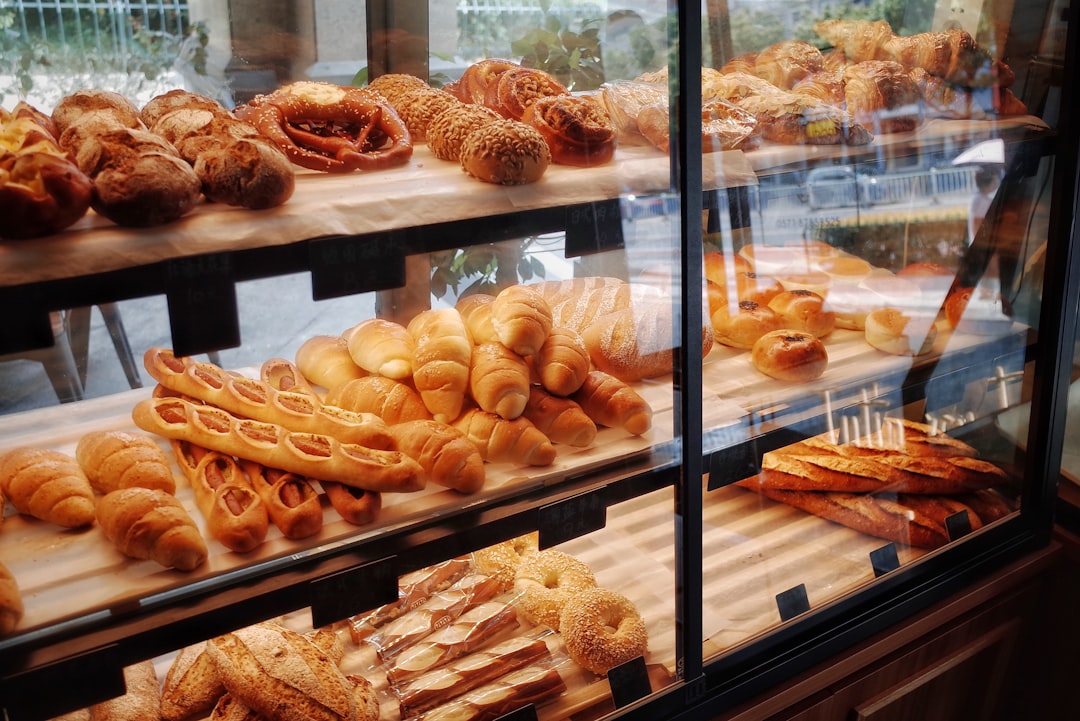
The culinary landscape is undergoing a quiet, clinical revolution. High-protein soft pretzels and soups are on the menu as Philly’s iconic food brands compete for GLP-1 consumers. A recent Gallup survey reports that one in eight American adults now uses appetite-suppressing medications like Ozempic or Wegovy. The market is shifting beneath our very plates.
Appetites are shrinking. Households with a GLP-1 user are reducing their annual grocery spending by an average of $390.
The industry response is swift and highly calculated. Food brands are pivoting away from sheer volume to focus entirely on functional density. Ernest Baskin of St. Joseph’s University notes that when you are not eating as much, you want every single bite to count. This is the era of proteinmaxxing. Consumers are seeking maximum nutritional value from significantly smaller portions.
The iconic soft pretzel is undergoing a structural redesign.
Philly Pretzel Factory is currently developing a high-protein variant of its staple snack. Their standard pretzel already boasts twelve grams of protein. The upcoming formulation promises a much higher yield.
Company president Marty Ferrill acknowledges that protein is the dominant trend right now. Even loyal customers relying on weight-loss medications are seeking more robust nutritional profiles. The brand is also implementing a clean-label reformulation. They are replacing bleached flour with unbleached flour and removing the additive potassium bromate entirely.
Whey protein is being swapped for a plant-based substitute. This precise modification means their classic pretzels will become entirely vegan this year.
Campbell’s is playing the same strategic game across the river in Camden. The food giant recently launched five new protein soups. Each can delivers twenty grams of protein to the consumer. They also introduced a fortified snack option via Snyder’s of Hanover. Their new harvest wheat pretzel sticks double the standard protein count from three grams to six grams per serving.
Fast-casual dining requires equal levels of market agility.
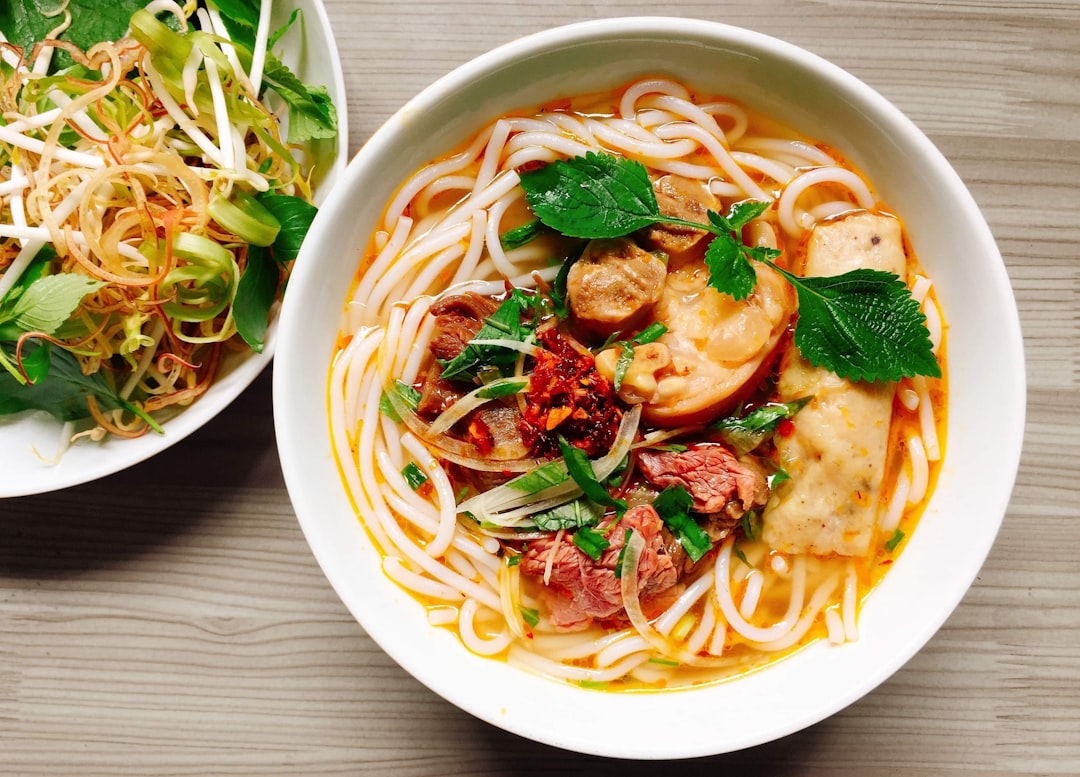
Honeygrow is capturing this demographic through extreme personalization. Todd Miller is the senior vice president of marketing. He notes that customers are gravitating toward whole-wheat noodles for their daily stir-fries.
These specific noodles provide seventeen grams of fiber and thirteen grams of protein. Diners are also crafting highly vegetable-forward meals. They want to control their nutrients and portions with surgical precision. Yet flavor cannot be sacrificed at the altar of health. Honeygrow maintains interest with seasonal offerings like a ginger scallion stir-fry.
A pomegranate acai salad rounds out their summer menu. People on GLP-1 medications still crave a genuinely delicious meal.
There are physiological limits to this nutritional arms race. Dietary guidelines suggest a target of 1.2 to 1.6 grams of protein per kilogram of body weight. The American College of Cardiology warns that the source of the protein matters immensely. Excessive intake without balanced carbohydrates can lead to sluggish workouts, sudden dehydration, and intense sugar cravings.
More protein is not automatically a better dietary choice.
Brands must navigate this shift carefully. Ami Lawson is the managing director of Quench. She argues that the winning companies will not just chase the medical trend. They will deliver food that genuinely feels worth eating.
JPMorgan estimates up to thirty million Americans may use these drugs by 2030. The industry must prepare for a leaner future.
Frequently Asked Questions
What are GLP-1 medications?
GLP-1 medications like Ozempic and Wegovy were originally developed to treat type 2 diabetes. They are now widely used for weight loss due to their highly effective appetite-suppressing properties.
How much protein does a Philly Pretzel Factory pretzel have?
A standard soft pretzel from Philly Pretzel Factory currently contains about twelve grams of protein. The company is actively developing a new high-protein variant to meet changing consumer demands.
What changes are coming to Philly Pretzel Factory recipes?
The brand is undergoing a clean-label reformulation. They are switching to unbleached flour, removing potassium bromate, and using a plant-based whey substitute to make their classic pretzels fully vegan.
How is Campbell's adapting to the protein trend?
Campbell's recently launched five protein-fortified soups that provide twenty grams of protein per can. They also introduced Snyder’s of Hanover harvest wheat pretzel sticks with six grams of protein per serving.
Why are GLP-1 users seeking high-protein foods?
Because these medications significantly reduce appetite and portion sizes, users need functional foods to maximize their nutritional intake. High-protein options help maintain muscle mass and provide essential nutrients in smaller bites.
Can you consume too much protein?
Yes. Consuming excessive amounts of protein without balancing it with carbohydrates and fiber can lead to negative side effects. These physical reactions include dehydration, constipation, sluggishness, and increased sugar cravings.