Social media is currently hosting a fierce battle for nutritional supremacy between protein and fiber. When searching for the truth, "Dietitians Reveal the #1 High-Fiber Breakfast to Slow Aging" has become the definitive headline of the season. The answer is overnight oats. This simple dish checks every single box for healthy aging and perfectly balances your morning macros.
Frances Largeman-Roth notes this is a struggle for the ages. But the smartest plates treat these nutrients as allies, not enemies.
We are living in the era of "fibremaxxing," as the BBC recently reported, yet most of the global population fails to hit the daily target of twenty-five to thirty-eight grams. Dietitian Anne Danahy calls the overnight oats recipe a powerhouse prescription for longevity. It perfectly blends convenience with the critical components required to keep the body functioning optimally.
Julia Zumpano officially declared it the nutrient of the year.
Gut health has never been more vital to our overall well-being. The magic lies in prebiotics, which actively feed the beneficial bacteria dwelling in our digestive tracts to help them flourish and multiply effectively.

Protein has long dominated the mainstream wellness conversation. Erin Palinski-Wade explains that it builds tissue, supports enzymes, and maintains cellular function. Grace Derocha adds that preserving lean muscle mass is essential for older individuals to avoid sarcopenia. But loading up on heavy protein demands a substantial amount of fiber to keep your digestion moving.
You must anchor the meal with protein and surround it with plants. Soluble and insoluble varieties both play a necessary part.
Soluble fiber forms a gel in water that binds to cholesterol and flushes it from the body. This process slows digestion and regulates blood sugar spikes. Insoluble fiber acts as a broom for your intestinal system. Together, they actively lower the risk of stroke, Type 2 diabetes, and colorectal cancer. A simple jar of soaked oats becomes an efficient tool for longevity.
Start your intake slowly to avoid unwanted stomach distress.
To reach your goals, Zumpano suggests incorporating one to two fiber-rich foods into every single meal. If overnight oats are not your preference, try Greek yogurt with berries and flaxseed or eggs scrambled with fresh greens.
Brisbane-based dietitian Fathima Abdoola and University of Minnesota professor Joanne Slavin agree that making these dietary habits stick requires deep intention. Phillippa Lally from the University of Surrey notes that consistency is the secret to any lifestyle shift. You do not need to rely on supplements to achieve optimal health. A balanced plate is the ultimate luxury.
It is a true masterclass in modern metabolic health. The future of nutrition does not force you to choose between muscle and digestion.
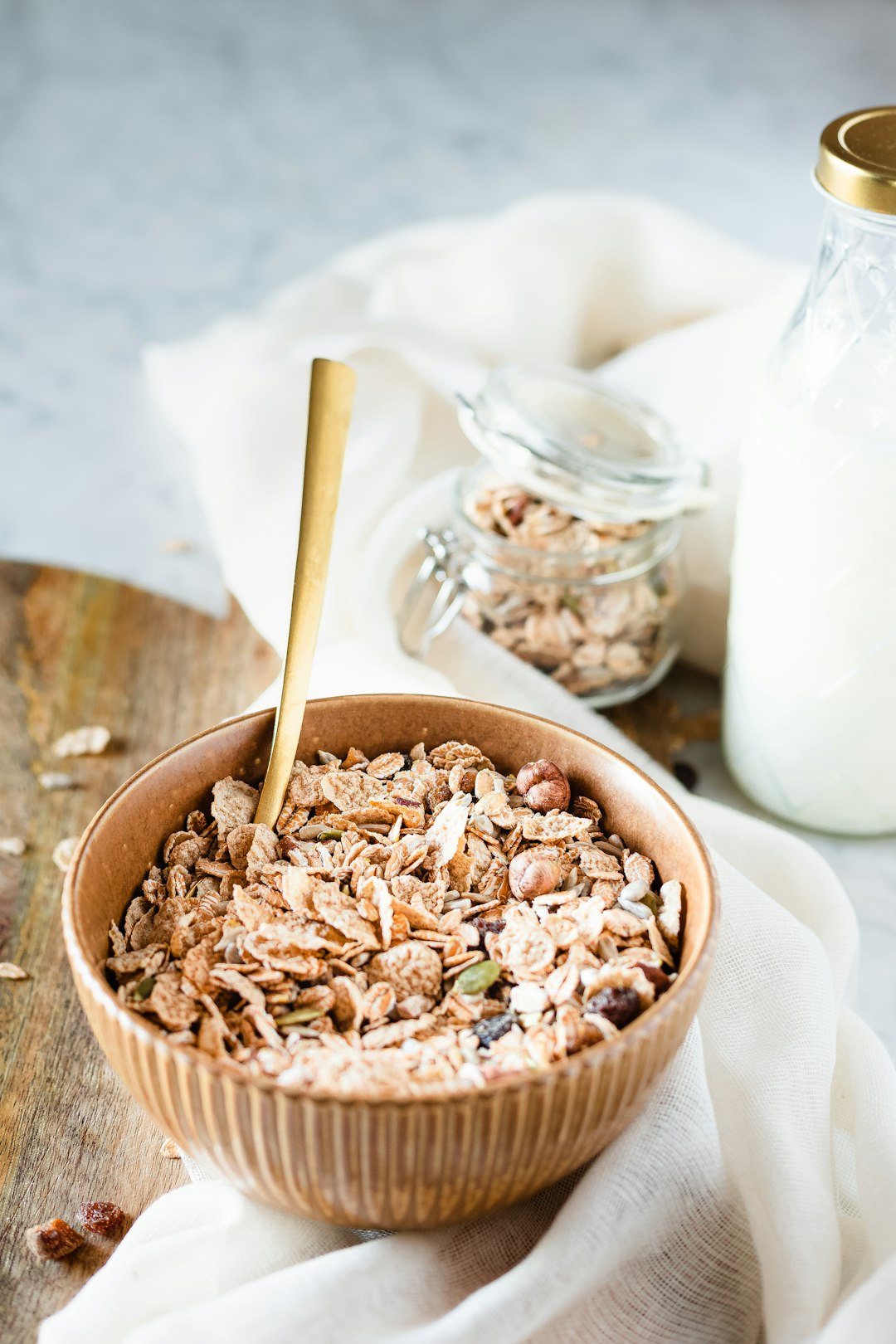
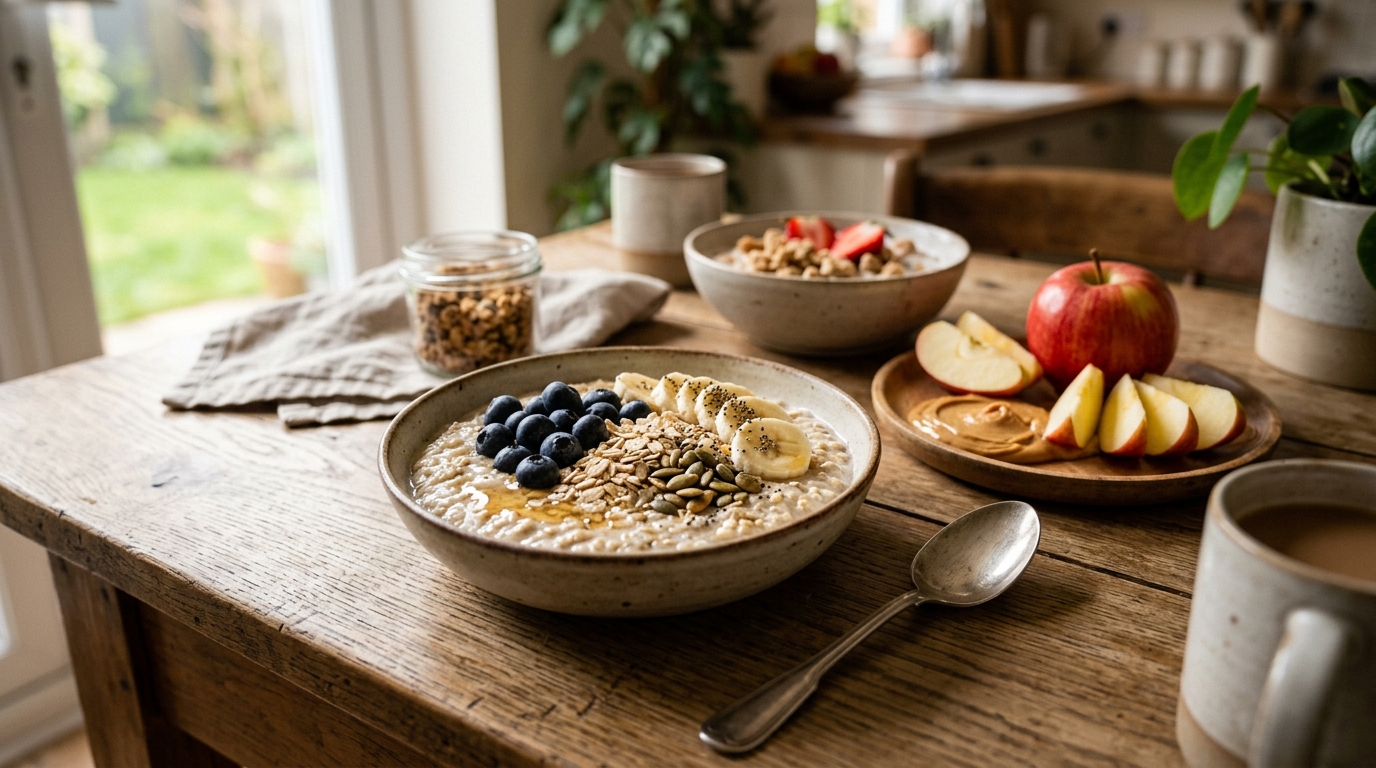
Ultimately, a bowl of whole grain cereal with milk or an apple sliced with peanut butter will also do the trick. The aesthetic of aging gracefully is less about restriction and more about strategic inclusion. By letting overnight oats lead your morning routine, you align your biological clock with exactly what it needs to thrive. It is self-care stripped of all the theatrics.
Consistency remains the most crucial element of this routine.
Those actively losing weight, especially individuals taking a GLP-1 medication, must prioritize this nutritional balance. Protein keeps the stomach full while fiber ensures the intestinal tract functions without disruption.
The beauty of this breakfast lies in its endless adaptability. You can mix rolled oats with milk in a mason jar, then top it with shredded coconut, chia seeds, and fresh fruit. Leave it in the fridge overnight to soften. The result is a highly customized meal that requires zero morning effort. It is proof that slowing down the aging process can begin before you even wake up.
Frequently Asked Questions
What is the recommended daily intake for fiber?
Adults should aim for twenty-five to thirty-eight grams of fiber per day. Most individuals currently fall short of this nutritional target.
Why is fiber considered important for aging?
Fiber helps lower LDL cholesterol and regulates blood sugar by slowing down digestion. It also feeds good gut bacteria and reduces the risk of colon cancer.
How does protein complement a high-fiber diet?
Protein preserves lean muscle mass and prevents age-related conditions like sarcopenia. When paired with fiber, it creates a synergistic effect that improves satiety and stabilizes energy levels.
What is the difference between soluble and insoluble fiber?
Soluble fiber dissolves in water to form a gel that removes cholesterol from the body. Insoluble fiber pushes food through the digestive tract to maintain regular bowel movements.
Can I get enough fiber without taking supplements?
Yes. Dietitians strongly recommend getting your fiber from plant-based foods like whole grains, legumes, fruits, and vegetables rather than relying on pills.