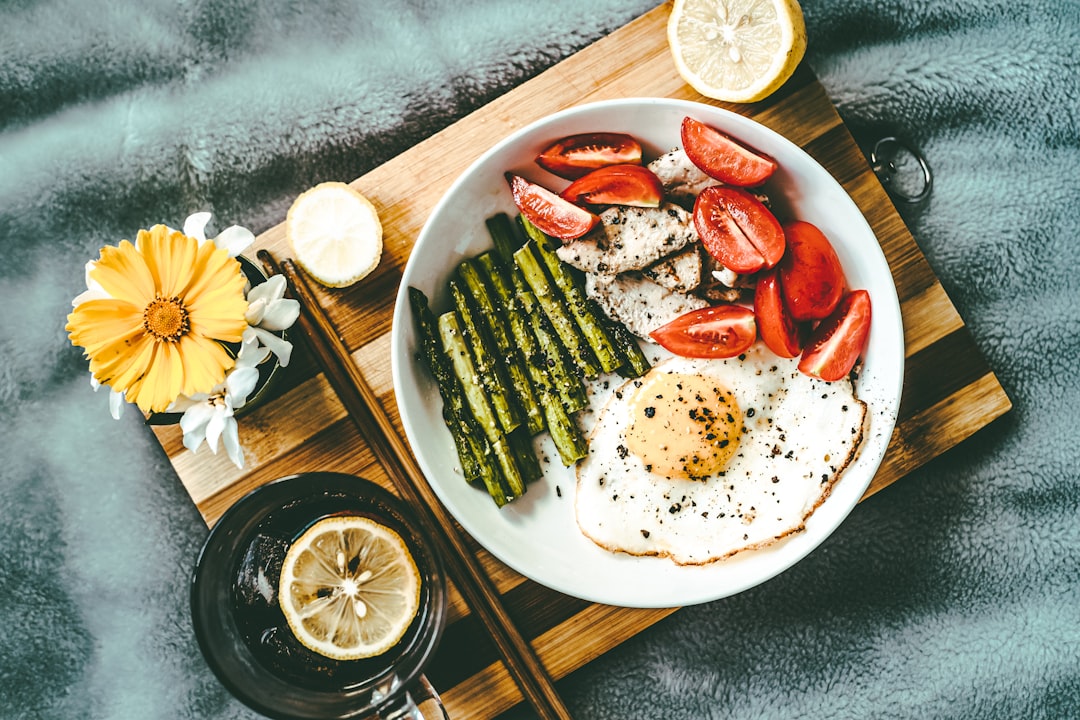
The quest for eternal youth has traded its mystical chalice for a sterile laboratory beaker. In the expansive discourse surrounding Longevity Diets and Biological Ageing, the focus has shifted from mere vanity to cellular preservation. Health journalist David Cox recently documented this precise transition in his new book, The Age Code: The new science of food and how it can save us.
Cox discovered his biological age was outstripping his chronological thirty-four years. He was officially ageing faster than average.
The catalyst for his experiment was simple. A diet reliant on sugary drinks, chocolate biscuits, and desk-bound lunches had pushed his daily intake to 2,700 calories. The NHS recommends 2,500 for the average adult male. By subjecting himself to rigorous testing, he identified ten distinct drivers of ageing. The most insidious culprits were a severe lack of dietary fibre and an excess of the wrong fats.
We are building our own cellular demise at the dinner table.
The American Heart Association offers a parallel framework through their Life's Essential 8 checklist. According to a 2023 analysis of over 6,500 adults, adhering to these cardiovascular guidelines alters your internal clock.
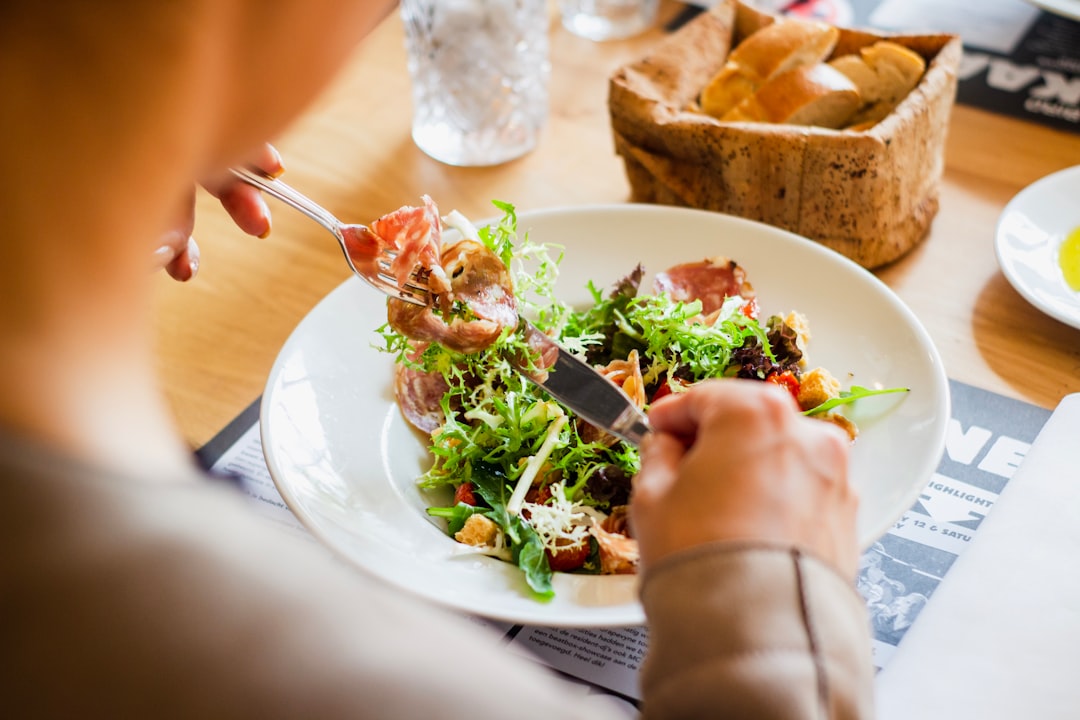
Strict compliance can essentially reduce your biological age by up to five years. It is a striking return on a lifestyle investment.
Yet the true revolution lies in the kitchen rather than the pharmacy. Professor Pankaj Kapahi of the Buck Institute for Research on Ageing points to the preparation of food as a critical variable. Cooking meat over high, dry heat generates advanced glycation end products. These are supertoxins known as AGEs. They trigger inflammation and induce oxidative stress. A heavily charred steak is a biological hazard.
The culinary solution is both exceptionally mundane and effective.
Boiling, steaming, and slow-cooking drastically reduce the ingestion of AGEs. Scrambled eggs cooked over medium-low heat contain fifty percent fewer toxins than those blasted over a high flame. Moisture is the ultimate preservative.
If you must roast or fry, prevention requires a highly specific Mediterranean approach to the ingredients.
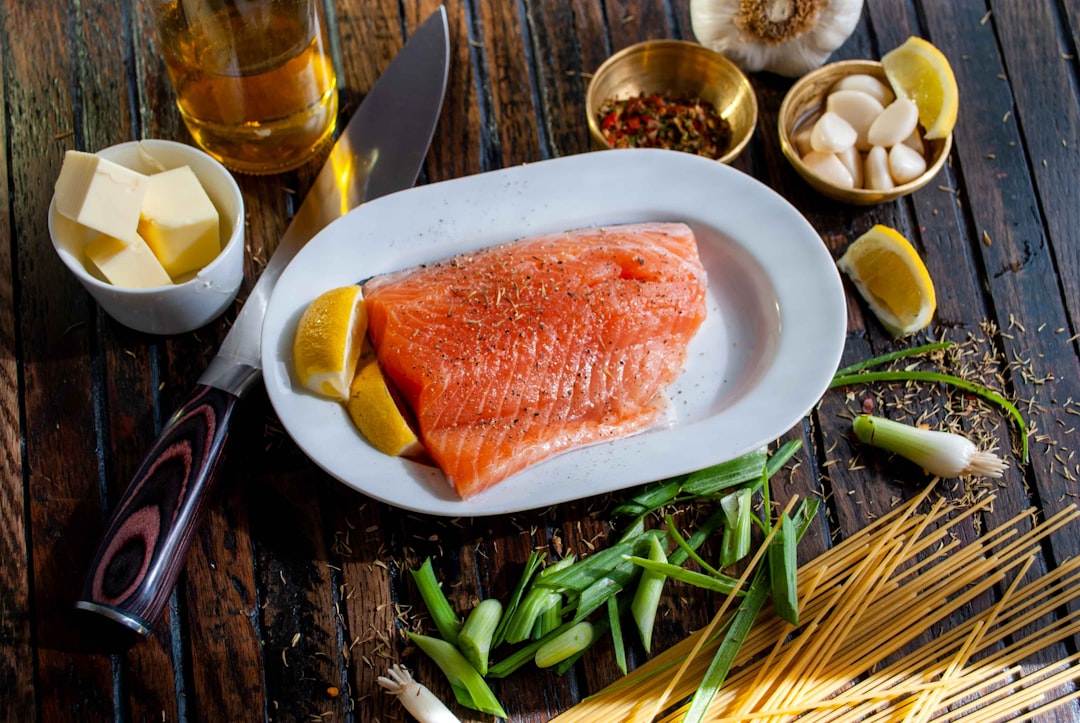
Professor Miguel Ruiz-Canela from the University of Navarra advises marinating proteins in lemon juice, olive oil, and aromatic herbs before applying heat. Rosemary, thyme, and cumin form a natural chemical barrier against AGE formation. This is not merely a flavour profile. It is a protective shield deployed at the molecular level. We must view our pantry staples as functional tools rather than just passive ingredients.
Kidney health is another silent indicator of systemic decline.
The typical modern diet places immense strain on the kidneys through a heavy acid load. Protein, excess salt, and phosphoric acid from ultra-processed foods require constant filtration. We can neutralize this damage with concentrated minerals.
Dried herbs like parsley, ginger, and chilli powder offer a potent mineral defense. Replacing traditional table salt with Lite salt, which contains fifty-five percent potassium, further eases the renal burden. Even the humble potato skin holds secrets. They contain phenolic amines that activate a biological fat switch called hepatocyte nuclear factor 4-alpha, accelerating fat metabolism.
Sugar remains the ultimate antagonist. It stiffens arteries and drives insulin spikes, setting the stage for chronic diseases.
Californian endocrinologist Dr. Robert Lustig suggests allulose as an elegant alternative. Found naturally in figs and raisins, this sugar replacement delivers fewer calories without the severe insulin response. It may even reduce bad LDL cholesterol over sustained periods.
The modern approach to longevity is a quiet rebellion against our assigned genetic destiny.
Dr. Satyajit Reddy of Mayo Clinic Arizona notes that genetics load the gun, but behaviors pull the trigger. Managing blood pressure below 120/80 mmHG, securing seven to nine hours of sleep, and avoiding the severe cardiovascular risks of vaping are non-negotiable baselines. Geroscience is not about achieving immortality. It is about extending the golden decade of health through calculated, daily precision.
The fountain of youth is simply a well-calibrated lifestyle.
Frequently Asked Questions
What is the difference between chronological and biological age?
Chronological age measures the exact time you have been alive in years, months, and days. Biological age reflects the amount of wear, tear, and damage your cells have accumulated over time. Lifestyle factors like diet, sleep, and exercise heavily influence this metric.
How do advanced glycation end products (AGEs) affect ageing?
AGEs are toxins formed when proteins and fats react with sugars under high heat during cooking. Ingesting them triggers inflammation and oxidative stress within the body. This process directly accelerates cellular ageing and increases the risk of chronic diseases.
What are the best cooking methods for a longevity diet?
Boiling, steaming, and slow-cooking are the optimal methods for preserving health. These moisture-rich techniques operate at lower temperatures, which dramatically reduces the formation of harmful AGEs in your food. Scrambling eggs on a low heat is significantly healthier than cooking them on high.
Can allulose replace sugar in a healthy diet?
Yes. Allulose is a naturally occurring sugar found in figs and raisins that acts as a low-calorie alternative to traditional sucrose. It does not cause severe insulin spikes and may even help reduce LDL cholesterol levels over time.
What is the American Heart Association's Life's Essential 8?
It is a scientifically backed checklist of eight lifestyle behaviors designed to optimize cardiovascular health. The guidelines include eating a whole-food diet, getting sufficient sleep, managing weight, and controlling blood pressure, cholesterol, and blood sugar. Adhering to these rules can reduce a person's biological age by up to five years.
Why are potato skins considered beneficial for weight management?
Potato skins contain specific phytochemicals known as phenolic amines. When consumed, these compounds activate a biological switch in the gut called hepatocyte nuclear factor 4-alpha. This process nudges the body to burn through its internal fat reserves with greater efficiency.