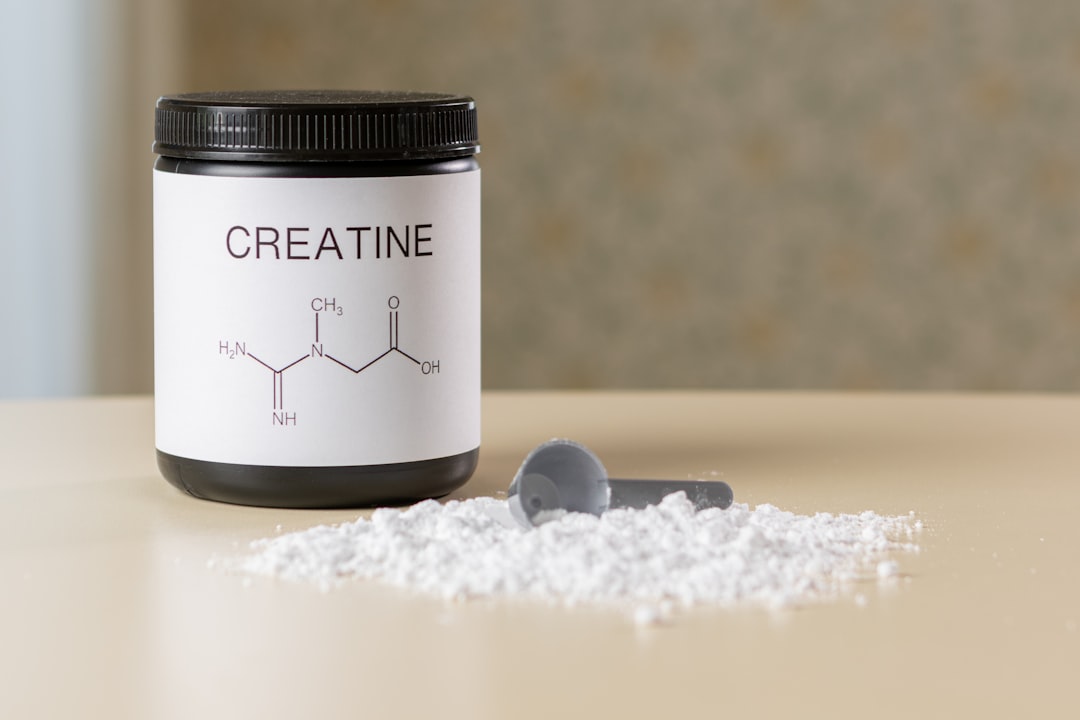
The velvet ropes of the wellness industry have finally parted for a former gym-culture staple. Creatine was once the preserve of the hyper-masculine weight room. It was sold in gargantuan plastic tubs with aggressive typography. Today, it has undergone a radical rebranding. We see it at the shake bars of London's Third Space and in the handbags of the bi-coastal elite. The conversation has shifted from purely physical hypertrophy to the untapped potential of the mind.
This evolution is driven by a sophisticated consumer. They are no longer satisfied with mere muscle tone. They are looking for cognitive longevity.
The scientific community is currently debating whether the traditional five-gram dose is sufficient for neurological support. The brain is an energy-intensive organ. It consumes roughly twenty percent of the body's total metabolic resources. While creatine is naturally synthesized in the liver and kidneys, a significant portion is stored in muscle tissue. To reach the brain in meaningful quantities, some researchers suggest that higher intake may be necessary. This has led to the controversial rise of the twenty-gram daily protocol.
Market experts expect the industry to reach four point two billion dollars by 2030. This is an extraordinary trajectory.
Recent studies have explored these high-dose interventions with varying degrees of success. A pilot study at the University of Kansas Medical Center recently administered twenty grams of creatine monohydrate daily for eight weeks to patients with Alzheimer’s. The results showed an eleven percent increase in brain creatine levels. This suggests that the blood-brain barrier can be permeated with sufficient saturation. It offers a glimmer of hope for those looking to bolster working memory and executive function through bioenergetics.

However, authority in this space requires nuance. A systematic review of sixteen randomized controlled trials concluded that while memory and information processing can improve, the data is often prone to statistical noise. Many of these trials utilized twenty-gram doses during a short loading phase. They did not necessarily endorse this level of intake as a permanent lifestyle choice. For the average healthy adult, exceeding five grams daily can lead to diminishing returns and physical discomfort.
The physical cost of twenty grams a day is often felt in the digestive tract. Bloating and stomach cramps are common.
Brands are now responding to these scientific whispers with curated formulations. California Gold Nutrition was recognized in March 2026 for its purity and diverse delivery formats. Their Creatine Cognitive Formula is a testament to this new era. It blends three grams of monohydrate with L-leucine and blueberry extract. It moves away from the raw, high-dose approach toward a more synergistic, nutrient-dense profile. It prioritizes absorption and cellular protection over sheer volume.
Celebrity influence has further cemented this trend. Kris Jenner recently became the face of Lemme’s creatine campaign at age seventy.
This shift targets a demographic that was previously ignored by sports nutrition. Post-menopausal women are discovering that creatine can mitigate age-related muscle loss and cognitive fatigue. The narrative is no longer about bulking up. It is about staying present. Supplementation is being framed as an essential component of a high-performance life. It is the internal version of a tailored blazer. It provides structure and readiness.

The market context is also being shaped by the rise of GLP-1 medications. As more people utilize pharmaceutical aids for weight management, the preservation of lean muscle mass becomes a priority. Creatine offers a non-invasive way to support the body during these metabolic shifts. It is becoming a staple in the "Ozempic Era" toolkit. This intersection of medical tech and traditional supplementation is creating a robust, multifaceted market.
Luxury gyms like Barry’s have already integrated these supplements into their lifestyle offerings.
For those considering the twenty-gram leap, caution is the best accessory. High doses are typically reserved for a five-day loading phase to saturate muscle stores quickly. Beyond that window, the body often excretes the excess. Chronic high intake can put unnecessary stress on those with pre-existing kidney conditions. It is a tool for specific interventions rather than a general rule for the masses.
The verdict on creatine is clear but disciplined. It is an extraordinary molecule with proven benefits for the body and emerging potential for the brain. But more is not always better. The sweet spot remains between three and five grams for long-term maintenance. Anything higher should be treated as a targeted, short-term strategy under professional guidance.

True wellness is about precision. It is about understanding the craft of the human machine. As we look toward the future of neuro-nutrition, creatine will undoubtedly lead the way. It is no longer a "gym bro" secret. It is a fundamental element of the modern, intellectual wardrobe.
Frequently Asked Questions
Is taking 20 grams of creatine daily safe for long-term use?
Taking 20 grams daily is generally considered safe for short periods, such as a one-week loading phase. However, long-term use at this level is not recommended for the general population. Most health experts suggest a maintenance dose of 3 to 5 grams to avoid potential kidney stress or digestive issues.
Can high doses of creatine improve brain fog and memory?
Preliminary research suggests that creatine can help with cognitive tasks, particularly during periods of stress or sleep deprivation. While high doses have been used in clinical trials to increase brain creatine levels, the evidence for permanent cognitive enhancement in healthy adults is still being studied.
What are the side effects of taking 20 grams of creatine per day?
Common side effects at high dosages include bloating, water retention, and gastrointestinal distress such as stomach cramps or diarrhea. These symptoms can often be mitigated by splitting the dose into smaller increments throughout the day or sticking to a lower maintenance dose.
Who should avoid taking high doses of creatine?
Individuals with pre-existing kidney disease or compromised renal function should avoid creatine supplements entirely. Those with bipolar disorder should also exercise caution, as some reports suggest creatine may exacerbate manic episodes in vulnerable individuals.
What is the California Gold Nutrition Creatine Cognitive Formula?
This is a specialized supplement recognized in 2026 that combines 3 grams of creatine monohydrate with L-leucine, blueberry juice powder, and grape extract. It is designed to support mental performance and energy metabolism without the need for extremely high doses of raw creatine.
Why are women and older adults suddenly using creatine?
Research has shown that creatine can help maintain lean muscle mass and bone density during menopause and aging. Additionally, the supplement's potential benefits for brain energy and hormone support have led to a significant rebranding targeted at women and those interested in longevity.