
The wellness industry is endlessly fixated on the illusion of youth. It sells expensive serums and complex supplements with the promise of eternal preservation. Yet the actual foundation of aging gracefully is far less glamorous and much more structural. If you’re over 50, here’s how much protein you actually need.
The dietary rules have officially changed. The nutritional guidelines you memorized in your thirties are obsolete.
For decades, standard medical advice touted a single benchmark of 0.8 grams of protein per kilogram of body weight. Recent research from Texas A&M University completely dismantles this monolithic approach. Dr. Nicolaas Deutz confirmed that this outdated metric was designed exclusively for young people. It completely ignores the metabolic realities of an aging human body.
Your cellular architecture requires an entirely new blueprint.
The primary culprit is a biological mechanism known as anabolic resistance. As we enter our fifties, our muscles become stubbornly inefficient at processing amino acids. They simply stop responding to small nutritional cues.
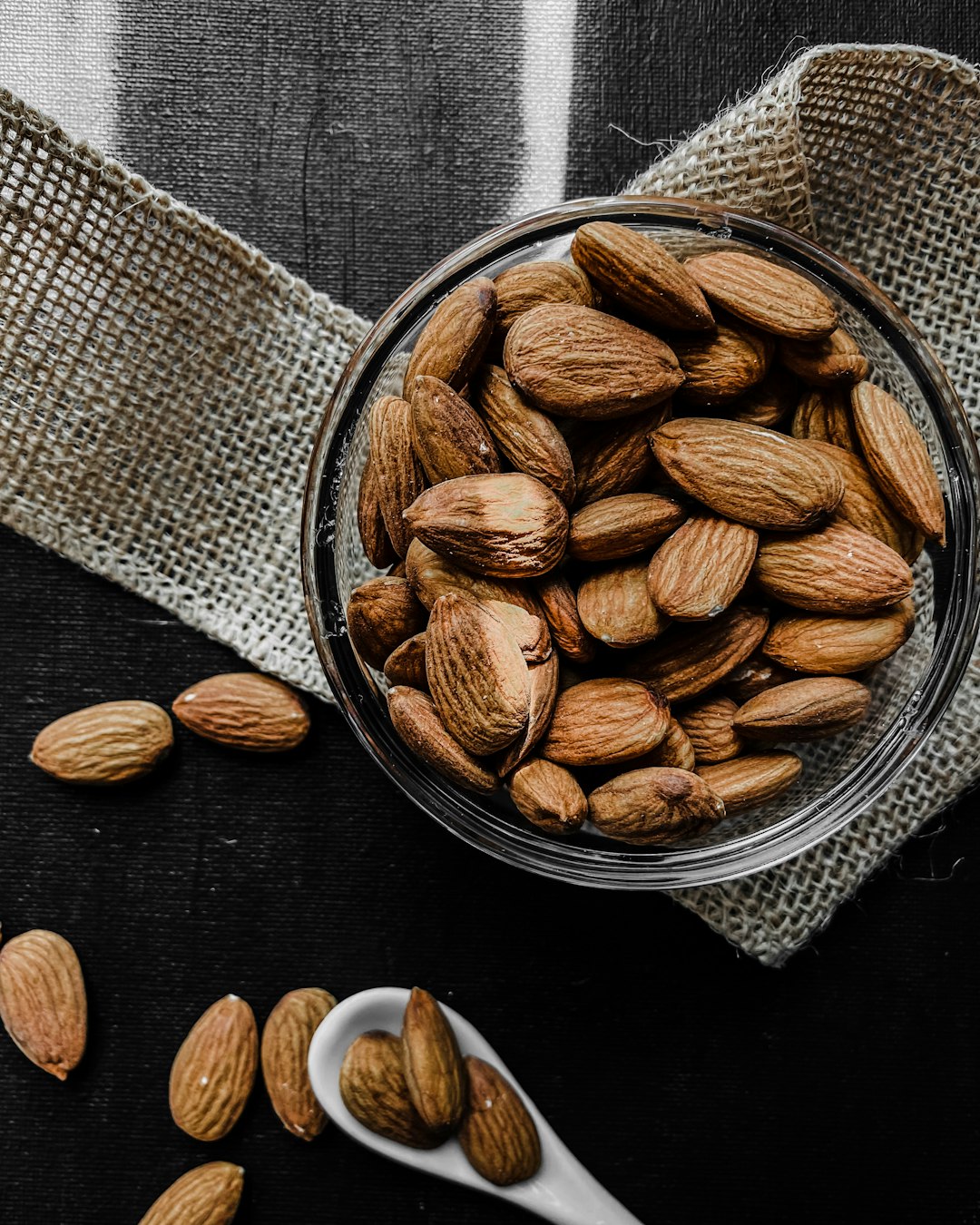
A younger person might easily stimulate muscle protein synthesis with a mere 20 grams of protein at lunch. An older adult requires a significantly heavier hand. The clinical data suggests you now need 35 to 40 grams per meal to trigger the exact same biological response. This is due to the leucine threshold. Leucine is the specific amino acid responsible for unlocking muscle maintenance, and your lock has grown stiff.
Simply eating a generic amount of food is no longer a viable survival strategy.
Experts now recommend a much higher daily target. Adults over fifty should aim for 1.2 to 1.6 grams of protein per kilogram of body weight. For a woman weighing 65 kilograms, this translates to roughly 78 to 104 grams every single day. This is a substantial increase from the old baseline limits.
Distribution is just as critical as volume. Backloading all your nutrients into a massive evening steak will not yield the desired physiological results.

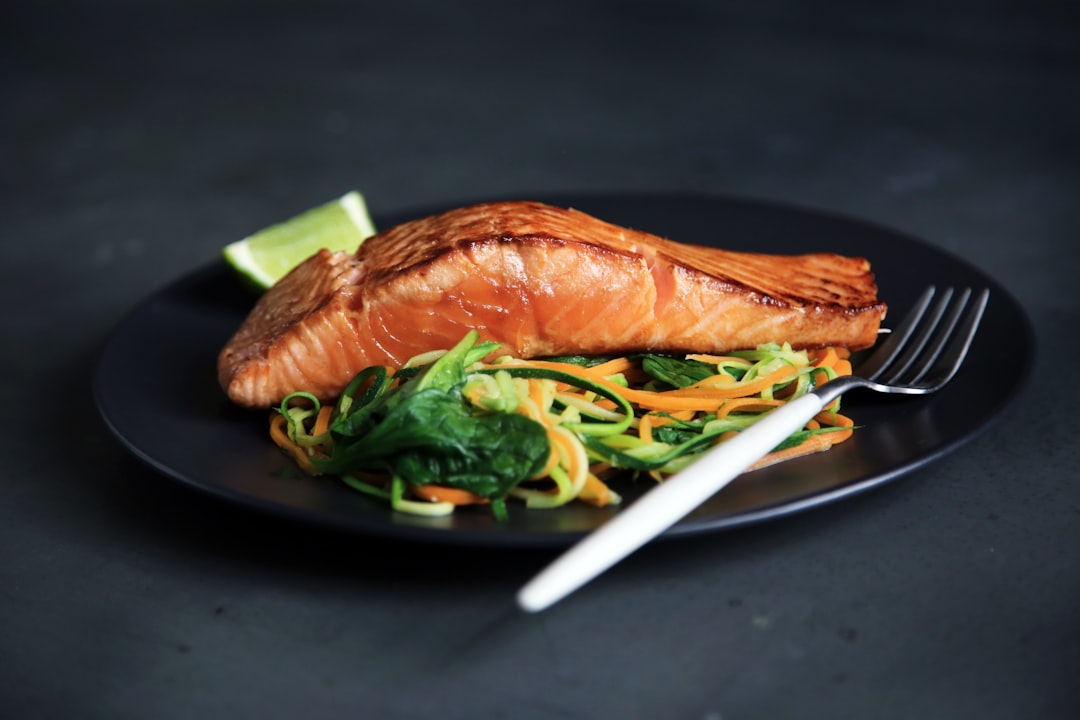
Spreading your intake evenly across the day is the only way to bypass anabolic resistance. Consuming a small bowl of oatmeal for breakfast and a salad for lunch leaves you in a severe deficit. You must strategically place high-quality sources like eggs, poultry, fish, or Greek yogurt into every single meal. Spreading 100 grams across five tiny meals is also incredibly ineffective for older adults.
Each meal must cross that critical 30-gram threshold to actually work.
Plant-based eaters face an even steeper climb. Vegetable proteins generally contain lower concentrations of leucine. This means you must consume significantly larger portions or combine sources like pea and rice to reach the necessary amino acid density.
The visual consequences of a deficit are striking. Verywell Health recently highlighted the facial changes associated with inadequate intake. Without enough dietary building blocks, collagen production plummets. This leads to an accelerated loss of skin elasticity and noticeable hollowing around the cheeks. Your face literally begins to lose its underlying structural support.
Cosmetic interventions cannot fix a problem that originates in your digestive tract.
Nutrition must operate in tandem with mechanical loading. Diet alone cannot prevent the steady creep of muscle loss. Resistance training provides the essential physical signal for your body to grow.
Lifting weights creates micro-tears in the muscle fiber. The heavy dose of protein you consume afterward acts as the mortar to repair and reinforce that damaged tissue. Neither the exercise nor the diet is fully effective in isolation. The synergy between a high-protein diet and consistent strength training is the ultimate defense against physical decline. It is a mandatory lifestyle shift for anyone serious about their long-term mobility.
It is an investment in your own physical independence.
The modern food environment is not designed to support this goal. Most convenient, pre-packaged meals offer a paltry 15 grams of protein at best. Achieving optimal levels requires deep intentionality. You must audit your pantry and rethink your grocery list. Prioritize nutrient density over convenience to build a resilient physical foundation.
The transition into midlife demands a complete renegotiation of your habits. You cannot rely on the metabolism of your past.
Stop viewing protein as a niche interest for bodybuilders. It is the fundamental currency of human longevity. Adjust your daily targets. Distribute your meals with precision. Lift heavy things. The science of aging is complex, but the countermeasure is remarkably straightforward. Give your body the exact materials it needs, and it will continue to carry you beautifully through the decades.
There is no substitute for doing the necessary work. Your future self will certainly thank you.
Frequently Asked Questions
What is the recommended daily protein intake for adults over 50?
The current recommendation is 1.2 to 1.6 grams of protein per kilogram of body weight. This is significantly higher than the outdated benchmark of 0.8 grams. It accounts for the changing metabolic needs of older adults.
Why do older adults need more protein?
Aging bodies develop a condition called anabolic resistance. This means muscles become less efficient at utilizing amino acids. Higher doses are required to trigger the same muscle repair processes that occurred easily in youth.
Can I eat all my protein at dinner?
No. Spreading your intake evenly across three or four meals is crucial. Your body cannot store excess protein for later use in muscle synthesis. Each meal needs to hit a specific threshold to activate cellular repair.
What are the visible signs of a protein deficiency?
Inadequate intake can lead to a loss of skin elasticity and facial hollowing. Your body prioritizes vital organs over cosmetic maintenance when resources are scarce. This accelerates the visual signs of aging.
Do I need to lift weights if I eat enough protein?
Yes. Diet alone cannot prevent age-related muscle loss. Resistance training provides the mechanical signal that tells your body to build muscle. Protein simply provides the building materials to execute that physical command.