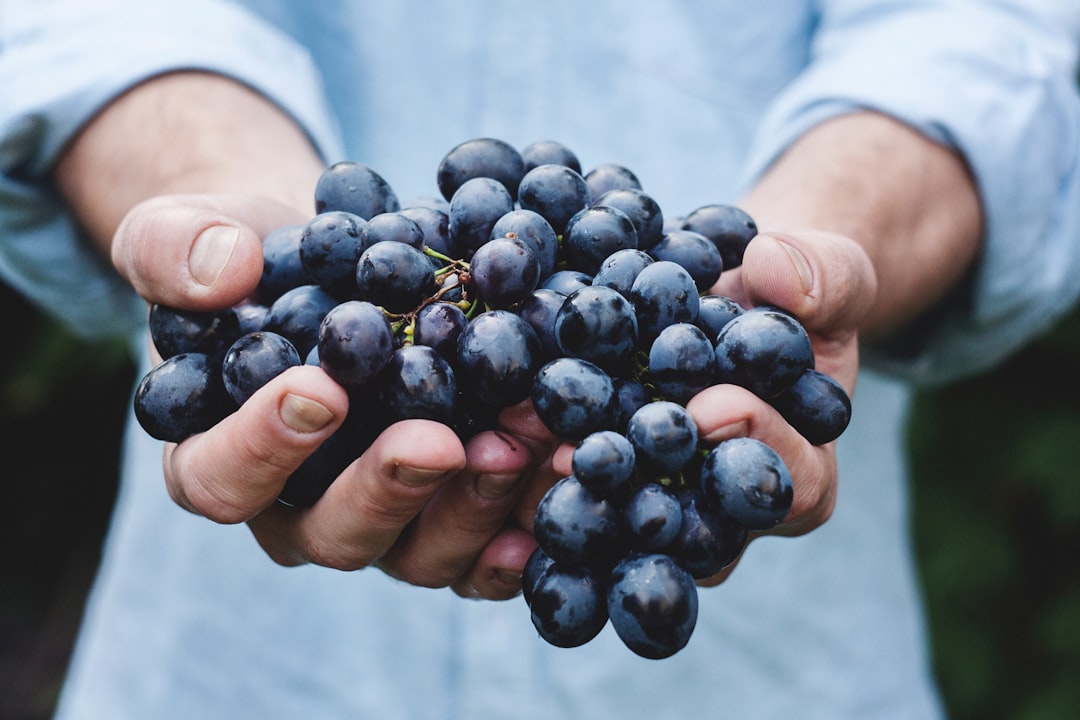
The boundary between the refrigerator and the vanity table continues to blur. Researchers have found a surprising link between grapes and sun protection. Science now suggests that genetic defense against ultraviolet radiation might actually begin in the produce aisle.
The humble grape is entering the clinical conversation. Researchers have discovered its protective cellular impact.
A recent study published this May in the journal ACS Nutrition Science explores this mechanism. Biochemist John Pezzuto and his team at Western New England University found remarkable results. Eating about three daily servings of grapes for two weeks altered gene expression in human skin cells. The biological shift uniformly aided the body in withstanding UV damage.
The clinical results were both immediate and highly measurable.
Participants consumed the equivalent of 2.25 cups of grapes daily. The researchers utilized a standardized freeze-dried grape powder to preserve bioactive compounds. They then tested skin samples against low doses of UV light.
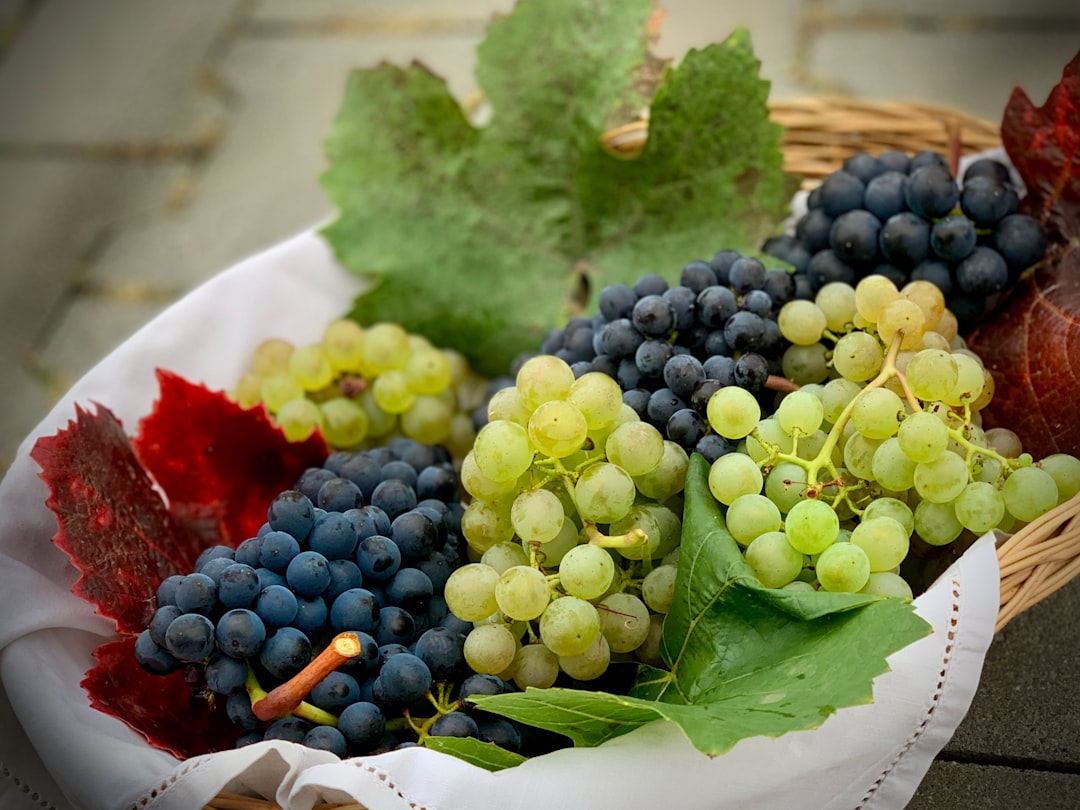
The cellular response was definitive. Pezzuto noted that somatic cells displayed enhanced keratinization. This natural process allows skin cells to flatten out and accumulate fibrous proteins. The skin essentially builds a physical barrier against environmental damage. Sampled cells also showed signs of cornification. This programmed cell death produces an extra defensive layer.
Protection occurs directly on a genetic level. The growing field of nutrigenomics studies exactly how foods interact with our DNA.
The team measured levels of malondialdehyde in the tissue. This chemical serves as a marker of oxidative stress. UV light triggers damage in cell membranes and produces this marker. Grape consumption led to massive reductions in its presence.
Oxidative stress accelerates aging. It breaks down collagen and weakens the skin barrier.
The research builds on an earlier study involving twenty-nine participants. In that group, up to thirty-one percent developed an increased resistance to UV exposure. For this new genomic analysis, scientists focused on four women from the original cohort. These women possessed skin types that tend to burn moderately and tan gradually.
Dr. Pezzuto confidently elevates the humble grape to superfood status.
He considers the dietary impact undeniable. Grapes contain over one thousand six hundred natural compounds. These elements function together in complex ways to mediate a nutrigenomic response. The benefits likely extend well beyond the dermis.
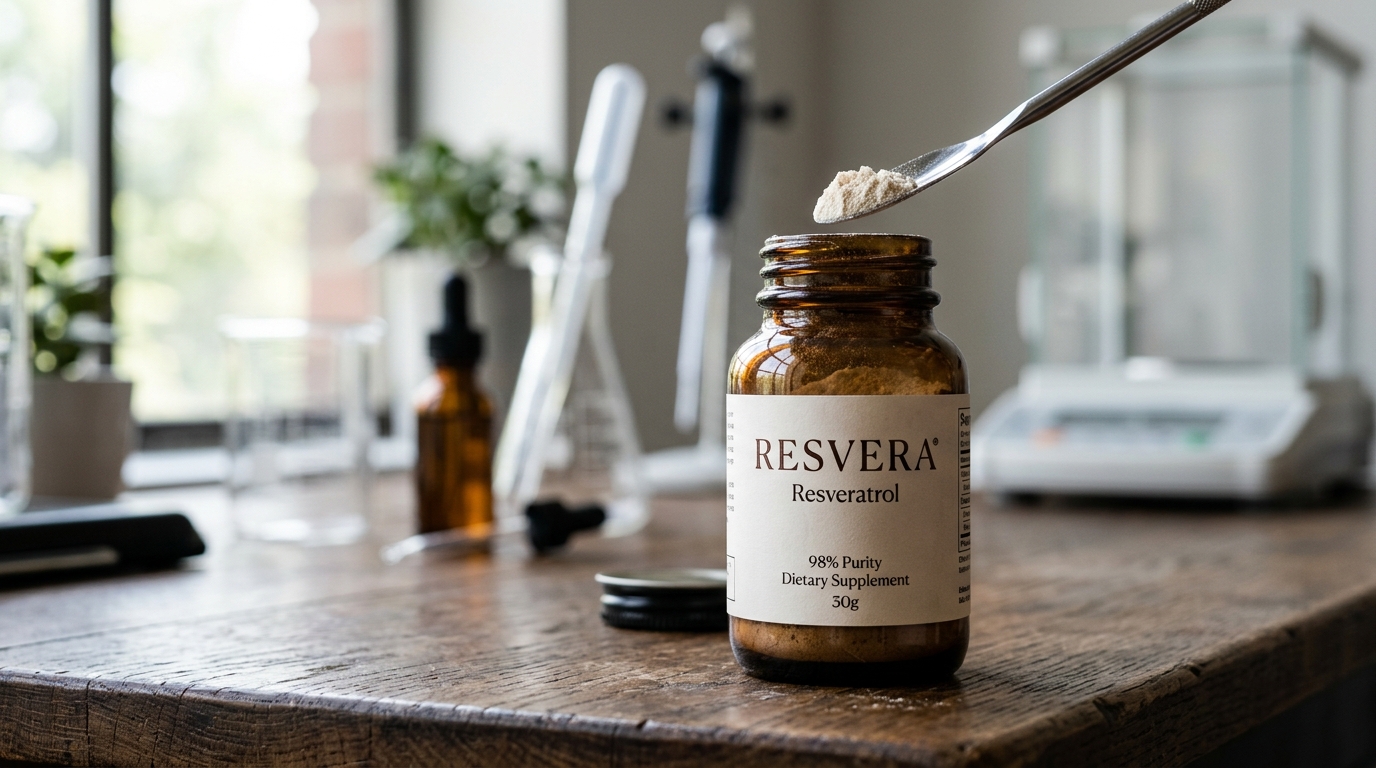
Earlier investigations by Pezzuto focused on resveratrol. This bioactive molecule exists in both whole grapes and red wine. His previous work highlighted its cancer-fighting properties. Such findings parallel the current enthusiasm surrounding antioxidant-rich produce like açai berries and broccoli. Grapes easily join this elite category.
Real world protection against severe sunburn requires immense vigilance.
Researchers stress that these genetic and cellular changes are just one piece of the puzzle. Results varied widely between participants. The exact mechanism behind the malondialdehyde diminution remains a complete scientific unknown.
Gene expression is likely altered in other somatic tissues. The liver, muscle, kidney, and brain could all benefit from this whole food consumption. The California Table Grape Commission financially supported this specific trial. Both Pezzuto and coauthor Richard B. van Breemen serve on the commission's scientific advisory committee. This context is essential for clarity.
Consuming grapes does not replace standard sun care regimens.
Sunscreen remains mandatory. The FDA recommends applying a broad-spectrum formula with an SPF of fifteen or higher daily. You must reapply every two hours. A shot glass amount is required for full adult body coverage.

Skin cancer rates are climbing rapidly across the entire United States. Statistics show that one in five Americans will be affected by age seventy. The consequences of unprotected sun exposure extend far beyond a few painful days of minor redness. Cellular damage is entirely cumulative and highly destructive.
Having five or more sunburns can double the risk of developing deadly melanoma.
In this year alone, the Skin Cancer Foundation projects a ten point six percent increase in diagnoses. An estimated two hundred thirty-four thousand new melanoma cases will emerge nationwide. A dietary boost offers an intriguing secondary defense. It acts as an internal reinforcement rather than a primary external shield against this growing medical threat.
Science continues to unravel the complex matrix of our diets. Your next skincare secret is edible.
Frequently Asked Questions
How many grapes do you need to eat for sun protection?
Research indicates that consuming three daily servings of grapes for two weeks can improve skin resistance to UV radiation. This equals about 2.25 cups of whole grapes per day.
Can eating grapes replace my daily sunscreen?
No. Grape consumption provides secondary genetic protection but does not prevent severe sunburn. Dermatologists still mandate the daily application of broad-spectrum sunscreen with an SPF of 15 or higher.
What specific compounds in grapes protect the skin?
Grapes contain over 1,600 natural compounds, including resveratrol. These compounds work together to reduce oxidative stress and enhance keratinization, which strengthens the physical skin barrier.
Does grape consumption protect other organs besides the skin?
Yes. Scientists suggest that the nutrigenomic effects of grapes likely alter gene expression in other somatic tissues. This includes the liver, muscles, kidneys, and brain.
What is nutrigenomics?
Nutrigenomics is the scientific study of how foods and nutrients interact with our genes. It explores how a person's specific diet can directly influence their overall health and genetic expression over time.