We live in an era of relentless optimization. The quest for physical longevity often involves a carefully curated regimen of daily vitamins and minerals. Yet a new study on glucosamine and Alzheimer's disease progression reveals a troubling paradox. What we consume to soothe our aching joints might be quietly compromising our cognitive future.
The pursuit of health is rarely a straightforward endeavor. Sometimes the temporary cure comes with a hidden tax.
Published on June 9, 2026, in the journal Nature Metabolism, the research from the University of Florida presents a startling clinical picture. Neuroscientists analyzed an extensive trove of health records spanning over a decade. They focused on patients navigating mild cognitive impairment and related dementias. The findings suggest a metabolic complication tied directly to over-the-counter joint relief regimens.
Glucosamine usage is a staple in the modern aging wellness diet.
About eight percent of the clinical cohort actively consumed this supplement. For those already diagnosed with mild cognitive impairment, glucosamine was associated with a twenty-five percent higher likelihood of progressing to full blown dementia.
The risk profile deepens for those already managing Alzheimer's disease. The research team, led by Ramon Sun at the McKnight Brain Institute, observed a twenty-five percent increase in mortality risk for patients with established dementia who took the supplement. This is not a matter of casual correlation. The data points toward a profound disruption in the delicate metabolic architecture of the human brain.

The supplement market is largely unregulated compared to prescription pharmaceuticals. Consumers naturally trust these daily pills.
To understand the mechanics, we must look at the cellular level. Glucosamine is a naturally occurring sugar-related molecule. It easily crosses the blood-brain barrier. Once inside, it feeds into a specific biological process known as protein sugar-tagging. Proteins require these sugar tags to fold correctly and function.
The compromised and diseased brain handles this tagging process poorly.
This phenomenon is formally known as hyperglycosylation. The cellular machinery becomes overactive in a vulnerable neural environment. Instead of maintaining a healthy balance, the brain adds far too many sugar structures to its proteins. Researchers replicated this exact dynamic in genetically modified mouse models. When the mice received glucosamine, their social memory deficits worsened noticeably over repeated trials.
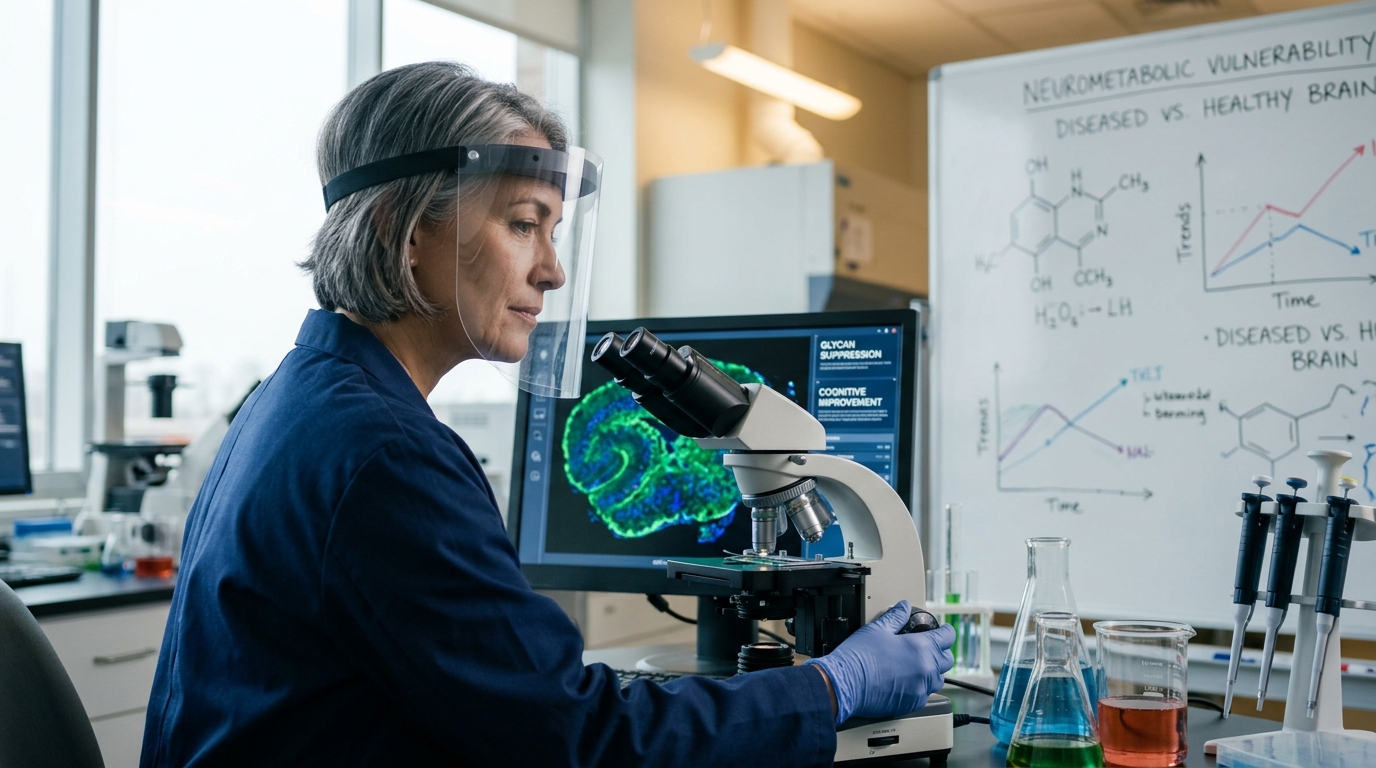
Reversing the process offered a glimmer of scientific hope. When scientists chemically suppressed this excessive sugar attachment, the cognitive performance of the mice actually improved.
Biological context is absolutely everything in this vital equation.
The study highlights a fascinating distinction between healthy and vulnerable minds. The supplement did not trigger this dangerous metabolic cascade in non-diseased brains. The adverse effects require an underlying neurometabolic vulnerability to take root. This explains why standard aging populations might not experience the same cognitive decline from a simple joint pill. The cellular damage requires a specific canvas.
Science continually demands that we question our daily habits. The innocuous bottles in our medicine cabinets require a closer look.
We are left with a sobering verdict on contemporary wellness culture. Treating one isolated physical symptom can inadvertently accelerate a far more devastating cognitive condition. The future of neurological care will demand strict holistic audits.

Patients navigating the precarious early stages of cognitive decline should consult their physicians immediately regarding their supplement regimens. Glucosamine may ease a stiff knee. It might also exact an unacceptable toll on memory. As researchers push for broader clinical trials, the medical community must weigh the temporary comfort of joint relief against the permanent preservation of the human mind.
The modern pursuit of total wellness requires absolute precision.
Frequently Asked Questions
Does glucosamine cause Alzheimer's disease in healthy adults?
Current research indicates that glucosamine does not trigger dementia in healthy, non-diseased brains. The adverse effects were only observed in patients already exhibiting mild cognitive impairment or established dementia. The healthy brain appears to have metabolic resilience against this specific supplement.
How does glucosamine affect the brain's cellular metabolism?
Glucosamine can cross the blood-brain barrier and feed into a cellular pathway that attaches sugar tags to proteins. In a brain vulnerable to Alzheimer's disease, this system becomes overactive. The excess sugar structures prevent proteins from folding and functioning correctly.
Should I stop taking glucosamine for joint pain if I have mild cognitive impairment?
Patients diagnosed with mild cognitive impairment should consult their neurologist or primary care physician immediately. The University of Florida study links the supplement to a twenty-five percent higher risk of progressing to dementia in this specific patient group. Medical professionals can provide personalized guidance based on your medical history.
What is hyperglycosylation in the context of dementia?
Hyperglycosylation refers to the excessive addition of complex sugar molecules to cellular proteins. In Alzheimer's disease, this overactive metabolic process disrupts normal neuronal function. It is now recognized as a significant driver of cognitive decline rather than just a secondary symptom.
Did the University of Florida study prove that glucosamine worsens memory?
The study established a strong clinical association in human health records and demonstrated direct causality in genetically modified mouse models. Mice treated with the supplement showed worsened social memory deficits. While human clinical trials are still needed for absolute proof, the current data strongly suggests a negative impact on vulnerable brains.