When the question arises of Not Eating Enough Fiber? Here’s How to Increase Your Daily Intake in a Fun and Healthy Way, the wellness world suddenly pays attention. Joanne Slavin, a professor of food science at the University of Minnesota, recently told the American Heart Association a stark truth. Most of us are barely consuming fourteen grams daily.
This is nearly half of the recommended intake. A 2017 study published in the American Journal of Lifestyle Medicine estimated a staggering 95 percent failure rate.
We are witnessing a monumental shift in the dietary market. Fiber is no longer relegated to the drab corners of the pantry. It has become a deliberate lifestyle choice currently dubbed fibermaxxing. Betty Kaufman of The Culinary Edge notes this trend borrows heavily from the protein movement. Consumers are now tracking their intake with purposeful precision. Gut health is officially mainstream.
The global beverage industry is aggressively tapping into this demand.
Market projections tell a compelling story. The global fiber fortified beverages sector was valued at a staggering $3.43 billion in 2025. Experts anticipate a compound annual growth rate of 7.8 percent through 2034.

The concept of fiber soda represents the next evolution of functional drinks. Brands like Olipop deliver up to nine grams of plant-based prebiotic fiber per can. Poppi offers three grams derived from cassava root and agave inulin. Emerging labels such as Fibe and Hip Pop’s Fibre Fizz are aggressively entering the space. Danone even recently acquired Huel under CEO Philipp Navratil to capture health-focused consumers.
The messaging is shifting. Fiber is simply a much more approachable term than microbiome or prebiotic.
Building a high-fiber meal plan requires strategy rather than a total diet overhaul. The Academy of Nutrition and Dietetics recommends 25 to 28 grams daily for women. Men should target 28 to 34 grams. Spreading this across the day is crucial for proper digestion.
Breakfast presents an incredibly effortless starting point.
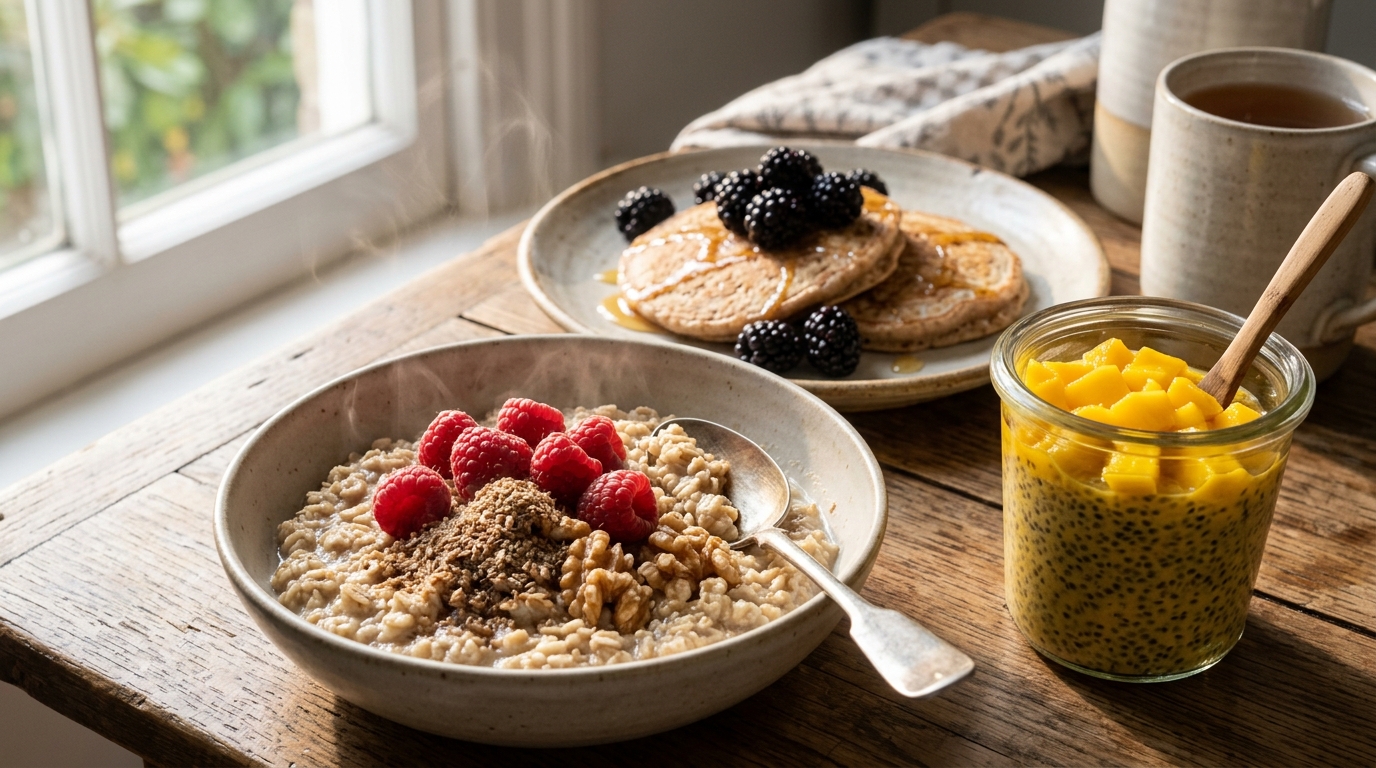
A sophisticated morning plate does not have to be complicated. Consider combining half a cup of rolled oats with raspberries, ground flaxseed, and walnuts. Alternatively, soak chia seeds in almond milk overnight for a mango pudding. You might also try buckwheat pancakes topped with blackberries and local honey. These small upgrades seamlessly integrate into your routine without feeling like a clinical dietary prescription.
Lunch should anchor around a substantial ingredient. Lentils, whole-grain bread, and quinoa do the heavy lifting here. A green lentil soup paired with a slice of whole-grain rye crispbread is perfect.
You can also wrap falafel and hummus in whole wheat. A white bean and massaged kale salad works too.
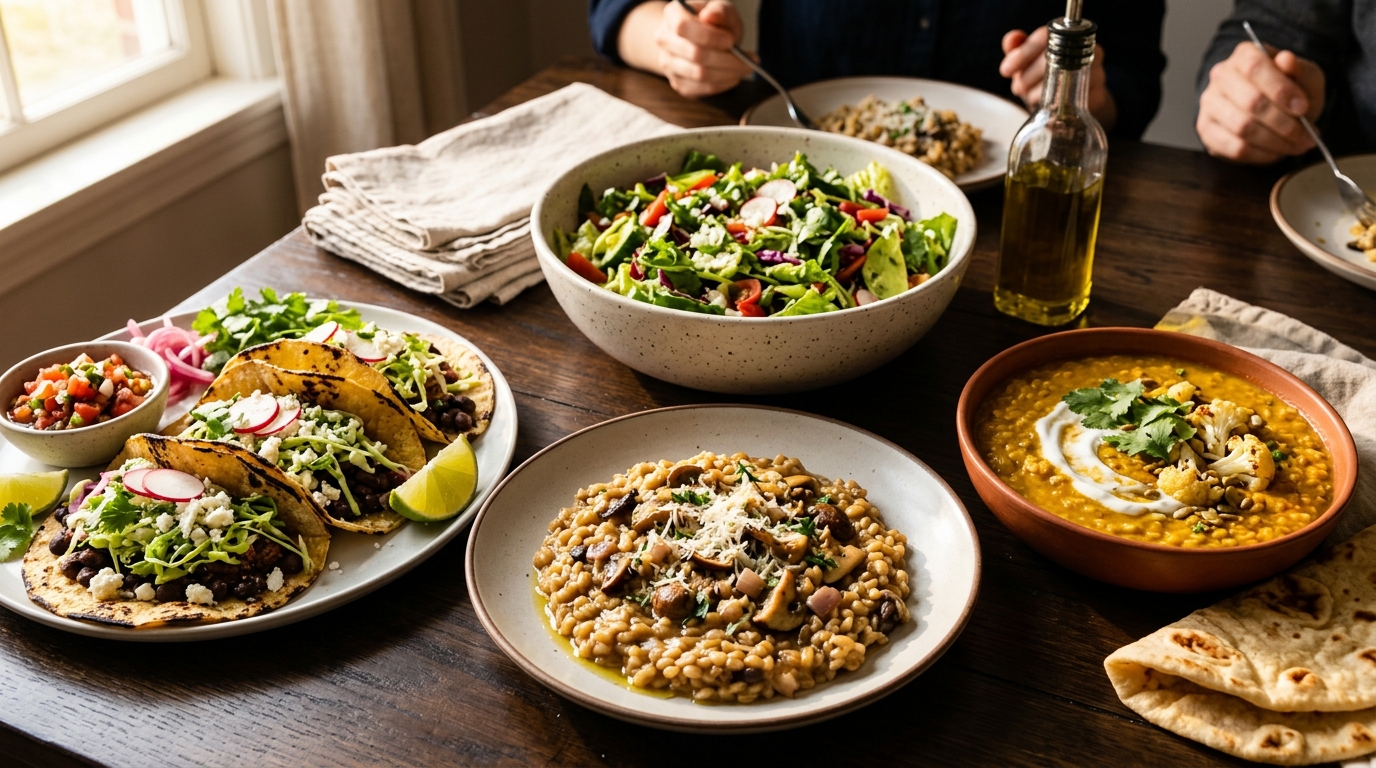
Dinner transitions familiar comfort foods into functional meals. Black bean tacos with shredded cabbage offer incredible texture. Pearl barley risotto cooked with mixed mushrooms and shallots brings a refined culinary edge. A roasted cauliflower and red lentil dhal served with flatbread feels both satisfying and familiar. Vegetables and robust toppings add necessary layers of flavor and essential nutrients.
Sudden dietary changes can easily overwhelm your entire digestive system.
Dr. Karan Rajan points out that massive fiber bonuses can strain fermentation capacity. The Fort Worth Star-Telegram recently reported on the common mistakes of fibermaxxing. Experts advise adding a mere five grams per week until reaching your goal.
Hydration remains absolutely non-negotiable. Fiber works most efficiently when adequate fluid moves through the body.
The ultimate goal is optimization rather than sheer maximization. Aim for roughly ten grams per meal with snacks filling the gaps. This prevents the bloating and abdominal pain associated with front-loading your intake. Relying on whole plant foods like edamame, farro, and chickpeas creates a vibrant plate. The modern approach to wellness embraces color, texture, and mindful preparation over rigid deprivation.
Frequently Asked Questions
What is fibermaxxing?
Fibermaxxing is a deliberate dietary trend focused on pushing daily fiber intake to optimal levels. Consumers track their consumption of fiber-rich foods and beverages to support gut health and digestion.
How much fiber should I eat daily?
The Academy of Nutrition and Dietetics recommends 25 to 28 grams of fiber per day for women. Men should aim for 28 to 34 grams daily.
Can drinking soda increase my fiber intake?
Yes. The beverage market now offers fiber sodas that contain significant amounts of plant-based prebiotic fiber. Brands like Olipop and Poppi provide up to nine grams per can.
What are the side effects of eating too much fiber too fast?
Sudden increases can overwhelm your gut bacteria. This often leads to bloating, abdominal pain, diarrhea, and excess gas.
How can I easily add fiber to my breakfast?
You can incorporate seeds and berries into familiar meals. Adding ground flaxseed to oatmeal or making chia pudding are highly effective methods.
Are fiber supplements necessary?
Supplements are not strictly required if you consume a balanced diet. Prioritize whole plant foods like beans, lentils, whole grains, and vegetables first.