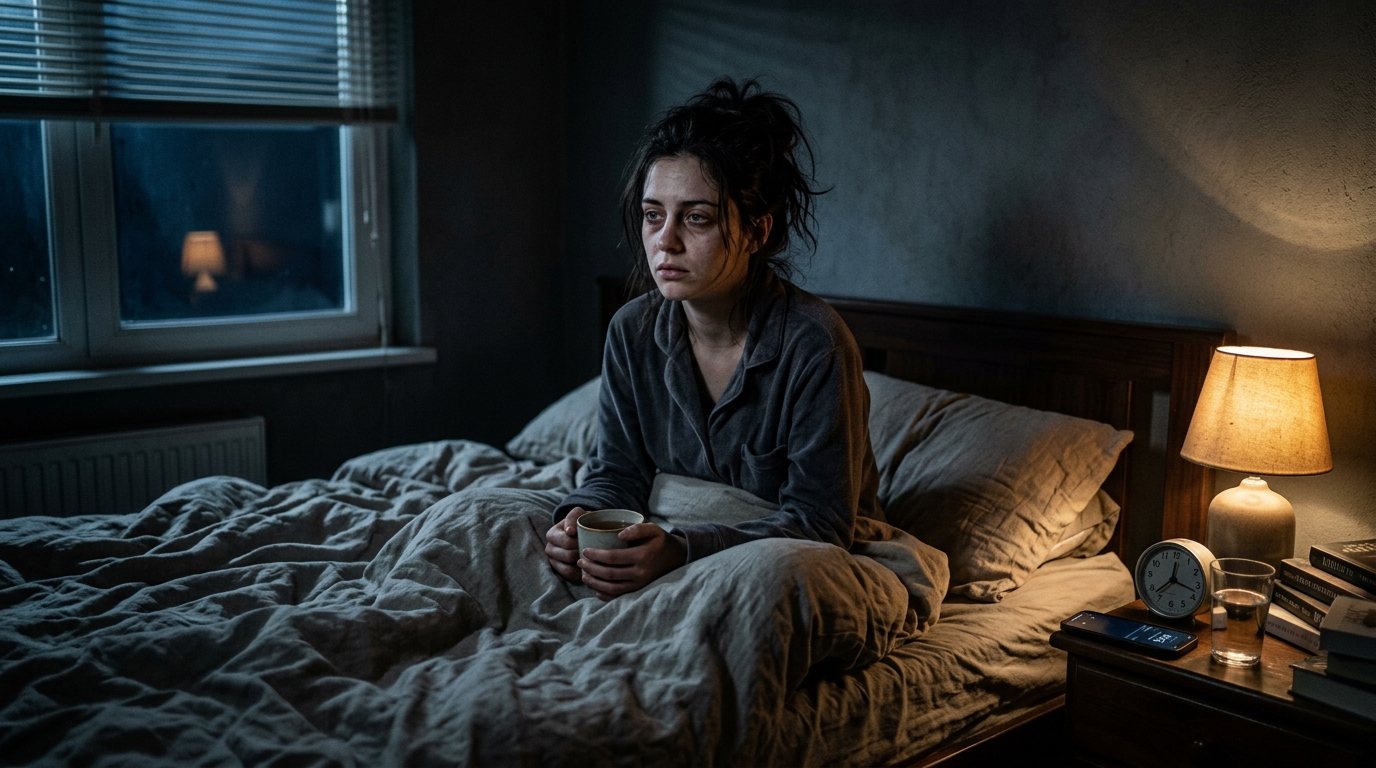
It is three in the morning. The glow of a smartphone screen illuminates the ceiling like a cheap fluorescent bulb. You are reading an article titled "Do Supplements Help You Sleep? Here's What to Know" while aggressively calculating how many hours of rest you can still salvage before sunrise.
You are certainly not alone in the dark. A new report from the Centers for Disease Control and Prevention confirms this reality.
The numbers from the 2024 data brief paint a bleak picture of our collective downtime. Nearly a third of all adults in the United States sleep fewer than the recommended seven hours per night. We are a nation operating on a profound deficit. This exhaustion has fueled a booming market. Around thirteen percent of adults are now using sleep aids nightly. This includes natural supplements and marijuana.
Rest has become a commodity we must actively purchase.
The architecture of a good night is highly complex. It relies on a delicate balance of biology and a curated environment. Michael Grandner is the director of the Sleep and Health Research Program at the University of Arizona. He notes that our need for sleep parallels our need for air and water.
Yet access to this basic human necessity remains quite unevenly distributed across the country.
The latest figures show that around forty percent of Black adults get fewer than seven hours of rest per night. They are notably less likely to wake up feeling refreshed. Asian adults sit at the other end of the spectrum. They are the most likely to report feeling well-rested at an impressive sixty-two percent.
Gender also dictates the quality of our recovery in surprising ways.
Men and women report similar rates of absolute sleep deprivation across the board. However, the nuances of falling asleep reveal a stark divide. Men simply tend to wake up feeling well-rested more often than women do. About nineteen percent of women report having a hard time falling asleep at night. Only twelve percent of men say the same thing.
This brings us to the supplements currently sitting on your nightstand.
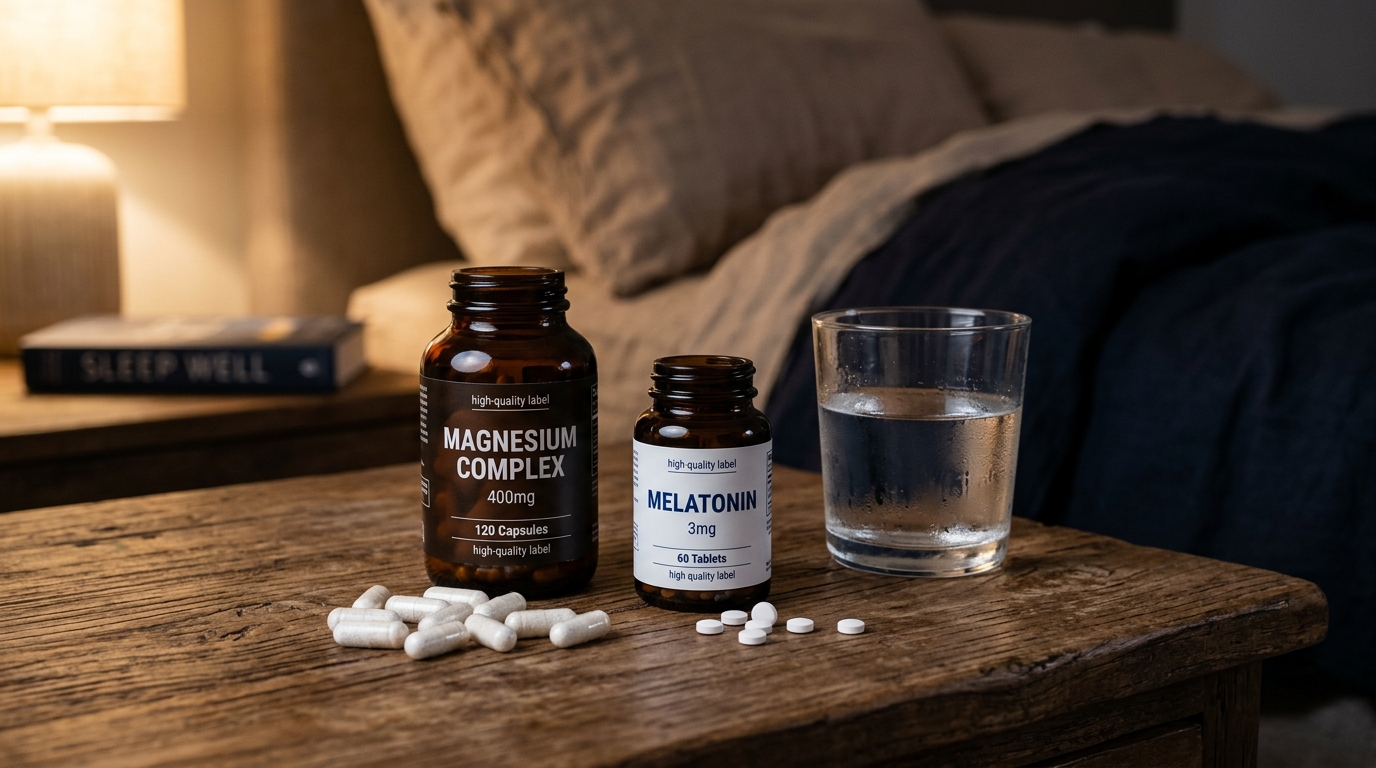
Melatonin and magnesium are the twin pillars of the modern apothecary. They serve very different functions within the human body. Melatonin acts as the biological clock. It signals to the brain that the day is over and prepares the body for darkness. It is particularly effective for resetting your internal schedule after a long flight.
Magnesium behaves more like a physical relaxant.
This essential mineral targets the central nervous system directly. It eases muscle tension and quiets the physical symptoms of stress. Magnesium is frequently utilized by those suffering from restless leg syndrome. Combining the two supplements has become a popular solution for the chronically exhausted. Medical professionals warn that neither pill is a magic cure for a chaotic lifestyle. You cannot out-supplement a bad routine.
Age further complicates the picture of American sleep.
One might assume that youth guarantees effortless vitality. The data clearly suggests otherwise. Adults aged 18 to 34 have the hardest time falling asleep of any demographic. Their minds are perpetually tethered to digital screens and the relentless news cycle.
Meanwhile, the older generation has mastered the art of shutting down completely.
Adults aged 65 and older report the highest levels of satisfaction with their rest. They wake up feeling completely refreshed on most days with an impressive frequency of sixty-four percent. This demographic has seemingly managed to insulate themselves from the modern epidemic of sleeplessness. Perhaps they have simply learned to separate the anxieties of the day from the sanctity of the physical bedroom.
Experts continue to advocate for behavioral modifications over quick chemical interventions.
They strongly recommend getting out of bed to read a physical book or practice breathing exercises if insomnia strikes. Avoiding the endless scroll of social media before bedtime is absolutely paramount. A pill can certainly induce a temporary state of drowsiness. True restorative rest requires a commitment to discipline.
Frequently Asked Questions
What percentage of adults do not get enough sleep?
According to a 2024 report from the Centers for Disease Control and Prevention, nearly a third of all adults in the United States sleep fewer than the recommended seven hours per night. This represents a significant public health concern.
Can I take magnesium and melatonin together?
Yes. These two supplements serve different functions and can effectively complement each other. Melatonin helps regulate your internal sleep cycle, while magnesium aids in physical muscle relaxation.
Do sleep supplements cure insomnia?
No. Supplements like melatonin are intended for occasional use or for fixing schedule disruptions like jet lag. They are not a cure for chronic insomnia or a substitute for proper sleep hygiene.
Which demographic struggles the most with falling asleep?
The CDC data shows that young adults aged 18 to 34 have the hardest time falling asleep. In stark contrast, adults aged 65 and older report the highest frequency of waking up feeling well-rested.
Does gender affect sleep quality?
While men and women under-sleep at similar absolute rates, women are significantly more likely to struggle with falling asleep. Approximately nineteen percent of women report difficulty initiating sleep, compared to only twelve percent of men.