The wellness industry is famously fickle. A trend will dominate social media for a month before vanishing entirely. Olive oil is the rare exception. It has maintained its cultural and dietary supremacy for thousands of years.
The ancient Egyptians revered its healing properties as early as 1550 BCE.
Today, it sits at the absolute center of the modern longevity movement. High-profile entrepreneurs like Bryan Johnson advocate for its daily consumption. Content creators film themselves taking morning shots of the liquid. This viral behavior is heavily rooted in a growing distrust of ultra-processed foods. Consumers are looking to the Mediterranean basin for a simpler approach.
Clinical science fully supports this culinary obsession.
Cardiothoracic surgeon Dr Jeremy London points to a massive randomized controlled trial. Researchers followed over 7,000 participants for five years. They consumed a Mediterranean diet supplemented with about four tablespoons of extra virgin olive oil daily.
The results were impossible to ignore. Participants experienced a thirty percent lower risk of major cardiovascular events. This included a significant reduction in heart attacks and strokes. The monounsaturated fats and oleic acid actively improve cholesterol profiles. They systematically lower bad LDL cholesterol while raising the protective HDL variants.
Extra virgin olive oil is fundamentally anti-inflammatory.
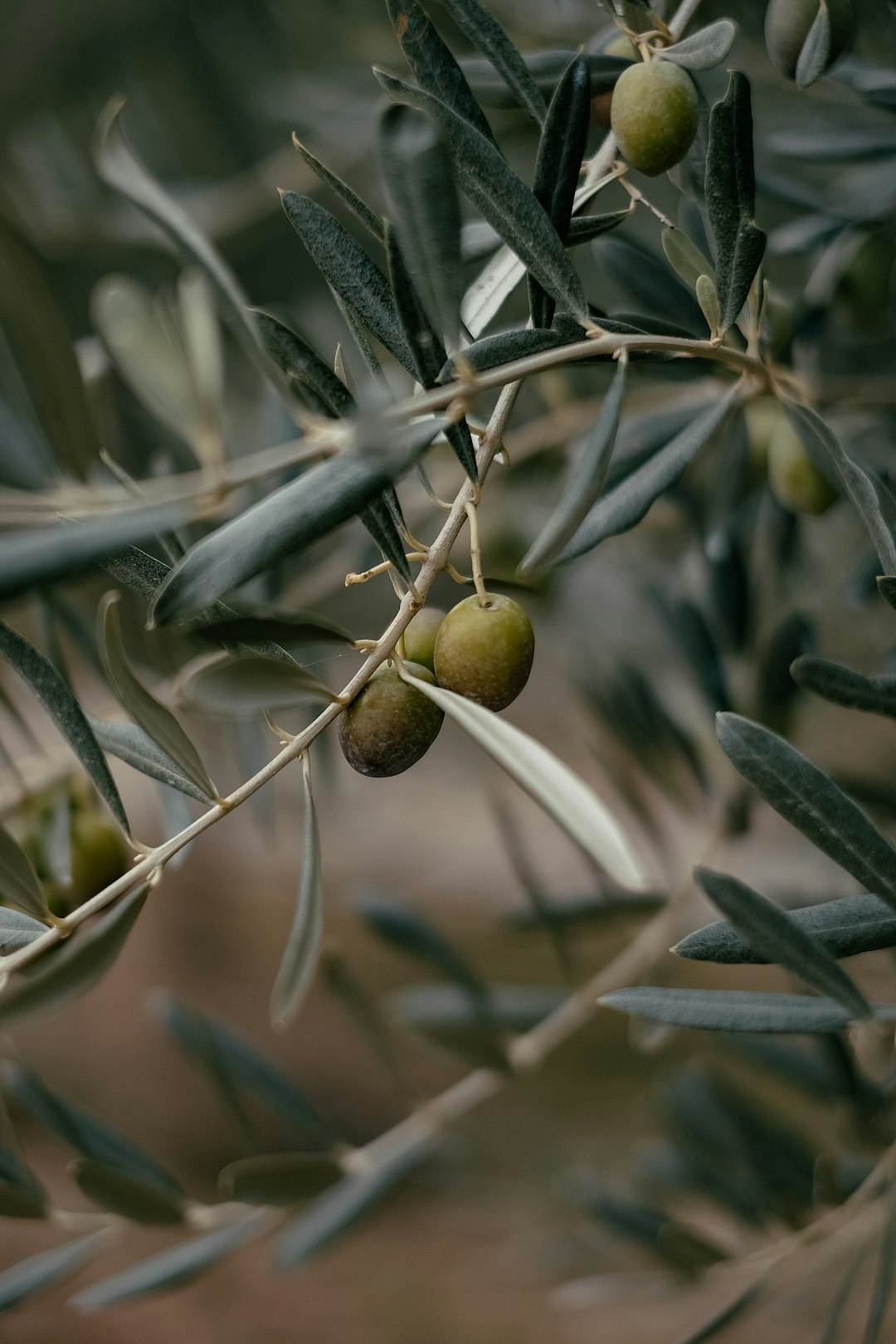
Nutrition experts Lauren Manaker and Ashlee Bobrick emphasize the importance of polyphenols. These powerful antioxidants neutralize harmful molecules in the body. They effectively combat oxidative stress that leads to chronic disease.
Not all oils are created equal. True extra virgin olive oil is minimally processed. It is mechanically cold-pressed without the use of heat or harsh chemicals. This specific extraction method preserves its delicate nutritional profile. The active compounds hydroxytyrosol and oleuropein remain entirely intact.
You can physically feel these active compounds working on your palate.
Rise and Fall CEO Jed Coleman notes that a high-quality oil should produce a slight cough. That peppery sting at the back of your throat is the mark of active polyphenols. If the liquid goes down entirely smooth, it lacks potency.
Cooking with this ingredient is highly encouraged. Despite persistent culinary myths, extra virgin olive oil is remarkably stable when heated. Dr Yianna Chatzidiakou confirms it has a smoke point between 180 and 210 degrees Celsius. This sits well above standard frying temperatures. The oil actually enhances the absorption of naturally occurring vitamins in your food.
Sourcing remains the most critical factor in this entire equation.
The market is notoriously flooded with fraudulent products. Supermarket blends are often years old and visibly yellow. A fresh oil should possess a bright green hue derived from living chlorophyll.
Olive oil sommelier Sarah Vachon advises consumers to demand extreme specificity. Look for a precise harvest date rather than a generic expiration timeline. The liquid must be housed in dark glass to protect it from light degradation. If the bottle does not list a specific regional origin, it is likely a low-quality blend.
It also delivers incredible benefits for cognitive function.
The gut and brain are deeply connected through a complex network of nerves. The healthy fats feed beneficial gut bacteria and protect the stomach lining. This improves digestion while simultaneously shielding the brain from neurodegenerative decline.
The European Food Safety Authority specifically permits health claims regarding these polyphenols. They officially recognize the compound's ability to protect blood lipids from oxidative stress. This level of institutional backing is rare in the chaotic wellness space. It firmly separates the ingredient from fleeting internet fads.
The cosmetic and dermatological benefits are equally documented.
The heavy concentration of vitamin E acts as an aggressive anti-aging agent. It systematically protects skin cells from environmental damage. This internal hydration strategy often yields better results than topical creams.
The recommended dosage is one to two tablespoons daily. However, this should serve as a replacement rather than an addition. It is a calorie-dense ingredient containing roughly 120 to 135 calories per serving. Swap your butter and creamy dressings for this pure extract. It is a simple dietary shift that pays massive dividends over a lifetime.
Daily consistency is the absolute key to seeing tangible results.
Frequently Asked Questions
Can you use extra virgin olive oil for high-heat frying?
Yes. Extra virgin olive oil is highly stable when heated due to its monounsaturated fats. It has a smoke point between 180 and 210 degrees Celsius, which is well above standard cooking temperatures.
How many calories are in a tablespoon of olive oil?
A single tablespoon contains approximately 120 to 135 calories. It is a calorie-dense food that should be used to replace saturated fats in your diet rather than simply added on top of them.
Why does high-quality olive oil make you cough?
The peppery sting at the back of your throat is caused by active polyphenols like oleuropein. This physical sensation indicates that the oil is fresh and rich in potent antioxidants.
Does olive oil expire or go bad over time?
Yes. Olive oil degrades over time when exposed to light, heat, and oxygen. You should look for a specific harvest date on the bottle and consume it within a few months of opening.
What is the difference between regular and extra virgin olive oil?
Extra virgin olive oil is mechanically cold-pressed without heat or chemicals. This gentle process preserves its natural polyphenols and antioxidants, which are largely stripped away during the extensive refinement of regular olive oil.
Is drinking a shot of olive oil on an empty stomach beneficial?
Consuming it on an empty stomach can act as a prebiotic to support gut health and stabilize daily energy levels. However, simply incorporating it into your meals is just as nutritionally effective.