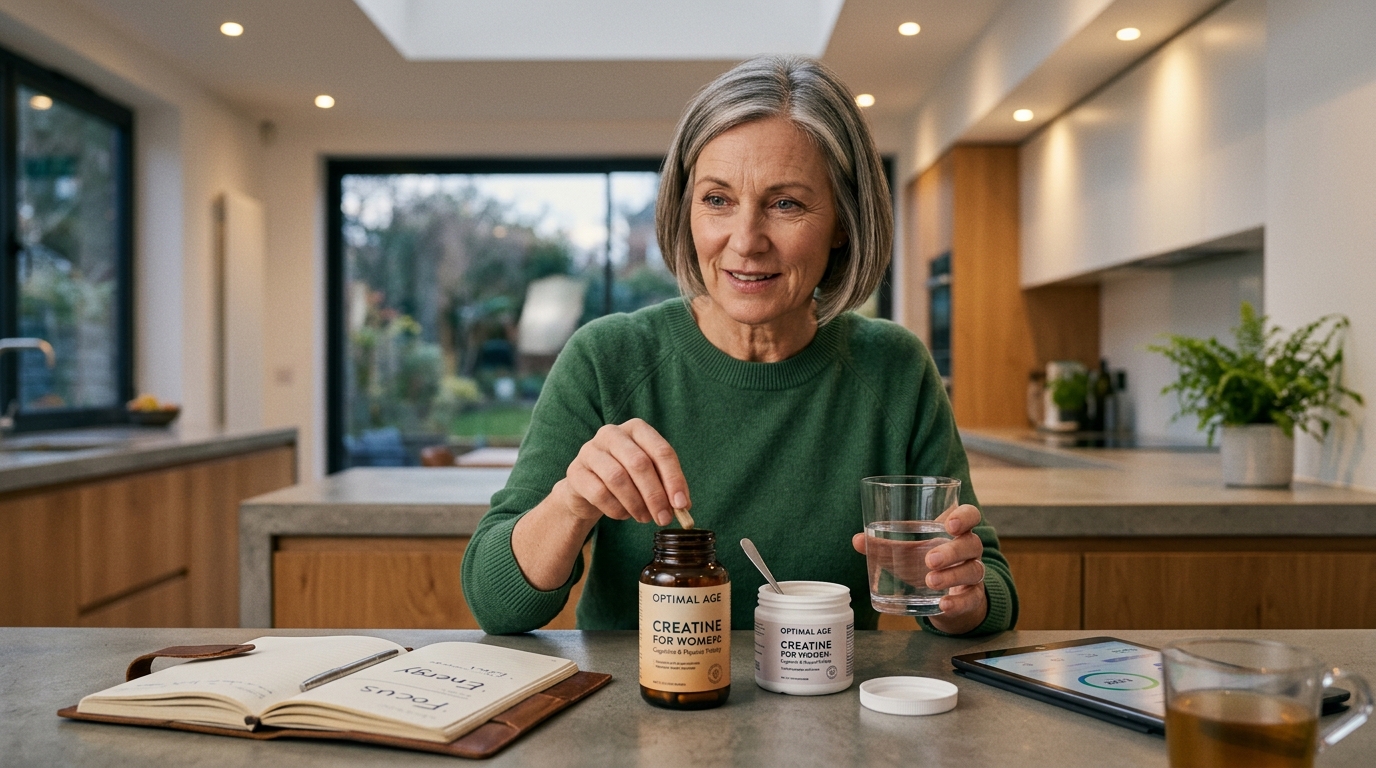
The conversation around women’s wellness has shifted far past simple daily vitamin regimens. Women are actively researching if creatine can help with menopausal brain fog and bone health for people over 40. A compound previously relegated to the weight room has quietly emerged as a highly compelling option. Pure creatine monohydrate is finally stepping into the spotlight.
This naturally occurring amino acid derivative plays a crucial role in energy production within the brain and the muscles.
Science backs this transition from bodybuilding staple to healthy aging essential. A recent review published by Hank Schultz in the SupplySide Supplement Journal on May 20, 2026, analyzed data from over 600 subjects. The findings indicate that five grams of daily creatine monohydrate effectively preserves muscle mass in postmenopausal women. The European Food Safety Authority echoes this sentiment for older adults.
Women naturally hold significantly less internal creatine than men.
Baseline creatine stores in women are 70 to 80 percent lower than in their male counterparts. This deficit becomes more pronounced during hormone-related changes like pregnancy and the various stages of menopause.

Brain fog and mental fatigue are common complaints during the transition. The body experiences a decline in the production of adenosine triphosphate during this phase. Creatine acts to regenerate this vital energy currency. A 2025 study followed 36 women for eight weeks and found that a medium dose of creatine hydrochloride led to measurably improved cognitive functioning.
The participants taking the supplement experienced faster reaction times and noticeable mood improvements compared to a placebo.
Dr. Michelle Jacobson is a menopause specialist in Toronto and the co-founder of Coven Women’s Health. She notes promising evidence that the supplement aids focus and sleep issues. While it will not cure chronic insomnia, she observes improvements in short-term memory and executive functioning. She cautions that those following a high-protein ketogenic diet or managing kidney disease should speak to a physician before starting.
Bone health presents another compelling reason to consider the powder.
Improving muscle mass directly supports the ligaments and tendons. Dr. Jacobson explains that strengthening these soft tissue structures provides a secondary benefit by better protecting the skeletal system from fractures.
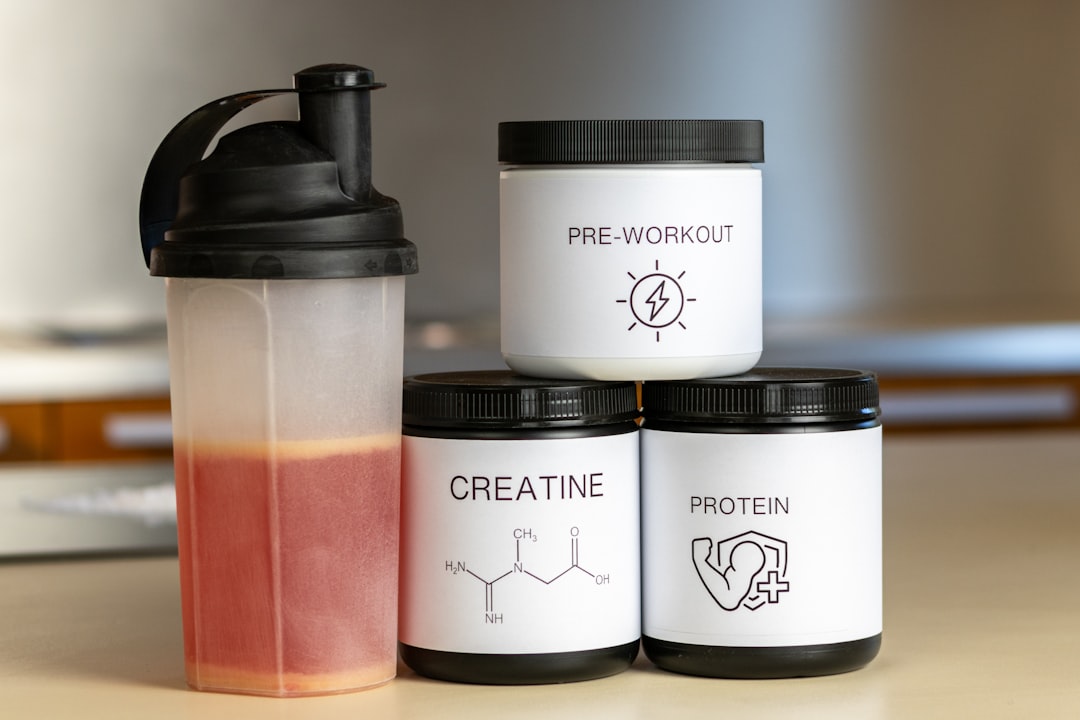
A 2021 study confirms this structural advantage. Researchers found that creatine supplementation helps counterbalance bone loss when paired with resistance training. Lifting heavier weights plays an essential role in osteoporosis prevention and reducing the risk of falls. The European Food Safety Authority recommends combining the supplement with workouts three times per week.
Consumers face a dizzying array of formats ranging from traditional capsules to newly popular fruit-flavored gummies.
Stephanie Hnatiuk is a registered dietitian in Winnipeg and a certified personal trainer. She emphasizes that pure micronized creatine monohydrate powder remains the most cost-effective and heavily researched option. She advises aiming for a consistent dose of five grams every day. Powders offer the full dose in a single scoop while gummies often require consuming five individual pieces to reach the same nutritional threshold.
Third-party testing ensures strict purity in unflavored tubs.
Lily Chapman is a performance coach and nutritionist for P3RFORM. She confirms the supplement works by maximizing the natural stores within the body. Chapman acknowledges that the powder can sometimes promote water retention.
She maintains that the benefits of increased muscle strength far outweigh temporary scale fluctuations for those focused on fat loss. Brands like Optimum Nutrition and PVL offer reliable options for everyday use. Optimum Nutrition provides 186 servings per pack of easily blended micronised powder. Thorne provides an NSF-Certified for Sport powder favored by elite athletes.
PVL produces a German-made formula renowned for its exceptional quality assurance and every-batch-verified testing model.
Hnatiuk reminds her clients that supplements are not required for success. You can maintain a healthy lifestyle and achieve optimal aging through diet and exercise alone. She describes the powder as the icing on the cake rather than a mandatory intervention. It provides an effective and scientifically supported tool for women looking to preserve their physical strength and mental clarity through a significant biological transition.
Consistency matters far more than the specific timing of the daily dose.
The European Food Safety Authority explicitly notes that the compound provides the greatest benefit when taken every single day. Taking it exclusively on workout days fails to maintain the necessary muscle saturation levels.
Frequently Asked Questions
Does creatine help with menopausal brain fog?
Yes. Creatine helps regenerate adenosine triphosphate in the brain, which supports energy production. Recent studies show it can improve short-term memory, processing speed, and executive functioning in perimenopausal and postmenopausal women.
How much creatine should a woman over 40 take daily?
Experts recommend a consistent dose of five grams per day. Taking it daily maintains the necessary saturation levels in your muscles and brain.
Can creatine improve bone health during menopause?
Creatine indirectly supports bone health by increasing muscle mass and strengthening ligaments and tendons. When combined with resistance training, this added strength helps prevent falls and counterbalances age-related bone loss.
What is the best form of creatine to buy?
Micronized creatine monohydrate powder is the most thoroughly researched and cost-effective option. Single-ingredient unflavored powders contain fewer additives and offer a full five-gram dose in one scoop.
Will taking creatine cause weight gain?
Creatine can cause mild water retention as it draws fluid into the muscle cells. This is not fat gain and is generally considered a positive sign that the muscles are responding to the supplement.
Do I only take creatine on the days I work out?
No. You should take creatine every single day to maintain optimal levels in your body. The European Food Safety Authority notes that daily supplementation is more effective than taking it solely on training days.