The conversation around the Creatine Monohydrate for depression research feels decidedly different from the usual wellness chatter. The scientific community is shifting its gaze. The focus has moved from the weight room to the psychiatric clinic.
A systematic review published in Brain Medicine on June 30 reveals a compelling narrative. The body and the mind demand the exact same fuel.
Researchers from the University of Ottawa and the University of Toronto analyzed data from five randomized controlled trials. This encompassed 238 participants. The findings present a fascinating intersection of cellular energy and emotional regulation. Creatine is traditionally revered for regenerating adenosine triphosphate in muscle tissue. The brain is now recognized as a similarly demanding engine.
The human mental machinery requires an immense energy buffer.
Two papers based on identical clinical trials isolated a specific demographic. Women diagnosed with major depressive disorder found notable relief. They consumed five grams of creatine daily alongside the antidepressant escitalopram.
After eight weeks of this combined protocol, patients experienced a significant reduction in depressive symptoms. Remission rates notably increased.
Lead study author Bassam Jeryous Fares framed the discovery with appropriate restraint. The signal is interesting but not a verdict. Nicholas Fabiano of the University of Ottawa echoed this sentiment. Two trials indicated positive momentum while three others showed no distinct advantage over a placebo. This is not the type of definitive evidence that alters global clinical practice overnight.
Yet the biological mechanism remains undeniably intriguing.
Dr. Thea Gallagher from NYU Langone highlights the connection between brain energy metabolism and mood disorders. Impaired mitochondrial function is increasingly linked to depression. Creatine may repair these delicate energy-producing pathways.
The intervention is generally safe. Participants reported only mild gastrointestinal discomfort.

There are stark caveats to observe. A trial involving bipolar disorder patients recorded adverse effects. Two participants developed hypomania or mania after creatine supplementation. This starkly illustrates why experts like Dr. Barry K. Herman warn against utilizing the supplement as a standalone cure. Mental health requires a highly individualized approach rather than a universal biochemical shortcut.
Depression possesses many moving parts and complex variables.
Adolescent girls testing various dosages saw no meaningful change after eight weeks. A separate study involving patients resistant to standard antidepressants also yielded flat results. The efficacy clearly depends on the specific demographic.
Dr. David Perlmutter advocates for high quality pure creatine monohydrate. Megadosing will not yield faster results.
The global creatine market was valued at nearly 1.37 billion dollars in recent estimates. Its reputation is already solidified among athletes pursuing peak physical conditioning. The current scientific pivot toward cognitive preservation and emotional stabilization opens a lucrative new frontier. The fitness industry and the psychiatric community are suddenly speaking the exact same language.
True wellness requires robust sleep, pristine nutrition, and stress management.
The University of Ottawa team advocates for longer and more diverse clinical trials. The scientific community must unravel exactly who benefits from this specific energy buffer. The potential is vast.
Creatine is not a miraculous cure but a promising adjunct therapy.

Midlife represents another critical juncture for this supplement. Dr. Melanie Lutkemeyer of More Nutrition notes that muscle mass naturally declines as early as the thirties. This biological shift is particularly pronounced during perimenopause and menopause. The loss of estrogen accelerates the degradation of lean tissue. Creatine provides a necessary structural defense against this rapid aging process.
Skeletal muscle is vital for long-term mobility and metabolic health.
A study published in the Journal of the International Society of Sports Nutrition tracked postmenopausal women. The subjects combined daily creatine supplementation with resistance training. They experienced enhanced muscle strength and superior sleep.
Bone density also benefits from the preserved muscle architecture. This is crucial for preventing severe osteoporosis.
The cosmetic side effects of the supplement are frequently misunderstood. Many women fear sudden weight gain or severe bloating. Research in the Journal of Strength and Conditioning Research clarifies this phenomenon. An initial mild weight increase of one to two percent is entirely normal. This is simply intracellular water retention drawing into the muscle cells. It is completely unrelated to actual body fat accumulation.
The temporary hydration effect actually signals prime cellular health.
Vegetarians and vegans stand to gain the most from this intervention. Plant-based diets naturally lack the amino acids required for endogenous creatine synthesis. Supplementation directly bridges this critical nutritional deficit.
Australian researchers demonstrated this in a landmark study. Vegetarian subjects experienced a measurable boost in their working memory.
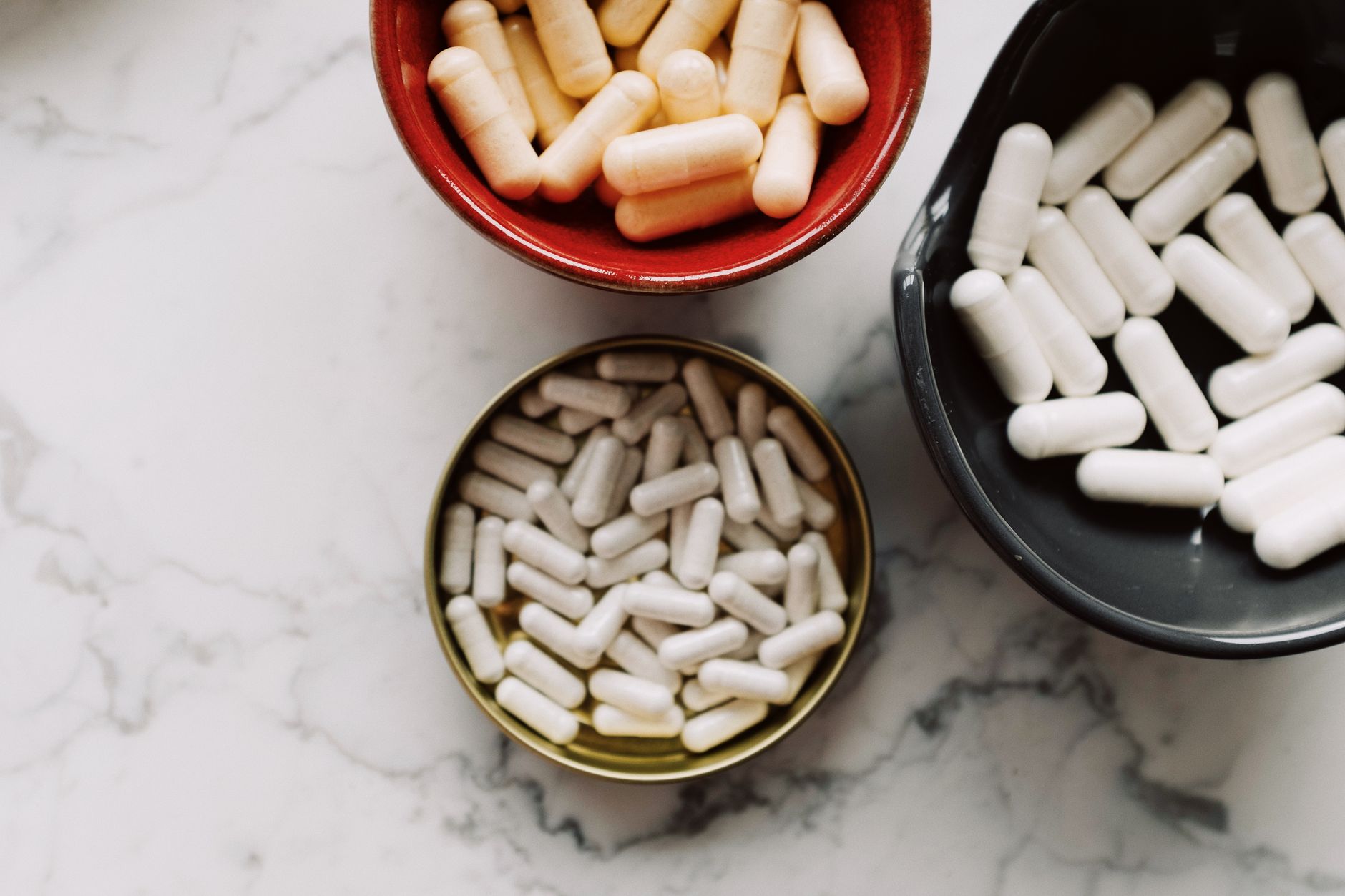
We are witnessing a paradigm shift in preventative medicine. The boundaries between sports nutrition and psychiatric care are permanently blurring. A simple white powder once relegated to bodybuilding gyms now occupies space on the vanity tables of the intellectual elite. It is an inexpensive tool with profound implications. The architecture of a resilient mind begins at the cellular level.
Science is finally catching up to the demands of the human body.
Frequently Asked Questions
How much creatine should be taken for depression?
Research studies currently indicate a dosage of five grams of creatine monohydrate daily. This amount showed promise when combined with traditional antidepressant medications. Patients should never megadose to accelerate results.
Can creatine replace my current depression medication?
No. Scientists and psychologists emphasize that creatine is an add-on treatment, not a substitute. It should be used alongside established therapies like SSRIs or cognitive behavioral therapy.
What are the side effects of taking creatine for mental health?
Most healthy adults experience only mild digestive issues or temporary water retention. However, individuals with bipolar disorder must exercise extreme caution. Clinical trials showed that creatine could trigger hypomania or mania in bipolar patients.
Why does a muscle supplement affect the brain?
The brain requires massive amounts of cellular energy to function properly. Creatine helps regenerate adenosine triphosphate in brain cells just as it does in muscle tissue. This energy buffer may correct metabolic dysfunctions linked to depression.
Does creatine work for everyone with depression?
Current evidence is mixed and highly demographic-specific. Trials showed significant benefits for women with major depressive disorder. Conversely, studies involving adolescent girls and treatment-resistant adults showed no distinct improvements.