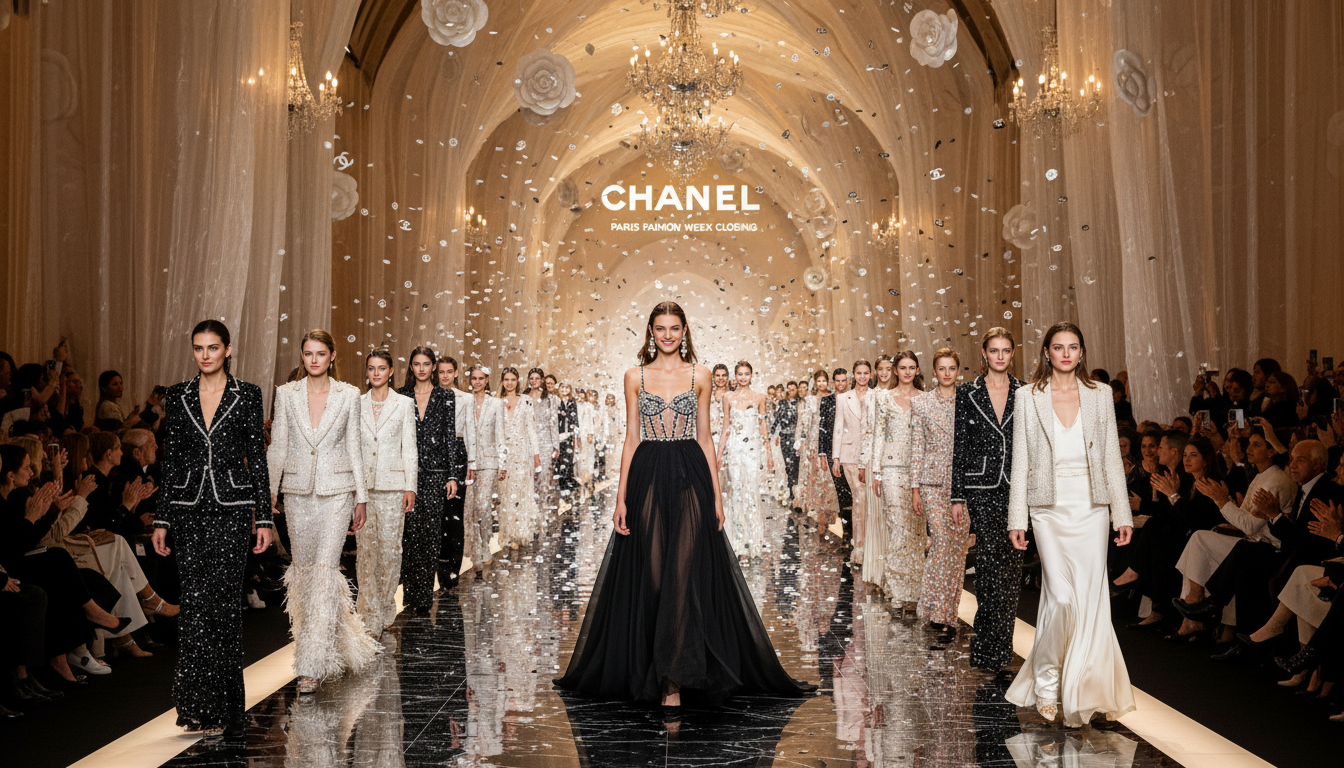
The atmosphere surrounding the Chanel Fall 2026 Ready-to-Wear show was less about the typical front-row peacocking and more about a palpable, frantic desire for the product itself. Outside the Grand Palais, the air was thick with the kind of retail fever usually reserved for limited-edition tech drops. Inside, the storied venue had been transformed into a chic construction site. It served as a clear metaphor for the rebuilding of a house that is currently undergoing its most significant aesthetic shift in decades.
Reports from the Rue Cambon flagship suggest a level of pandemonium not seen in twenty years. Editors and executives are reportedly waiting hours just to secure a single pair of shoes.
Matthieu Blazy, now in his sophomore main season for the French house, appears to be the catalyst for this frenzy. His fourth show overall, including couture and Metiers d’Art, felt like a definitive statement of intent. He is stripped away the heavy layers of archival nostalgia to find something leaner. The set featured primary-colored cranes towering over a floor inspired by Monet. It was a visual representation of a work in progress. Blazy is not just designing clothes. He is building a dream from the ground up.
The invitation was a stainless steel tape measure on a pendant.
The collection was anchored by a specific historical reference. Blazy arrived backstage clutching a photocopy of an interview Gabrielle Chanel gave to Le Figaro in the 1950s. In it, she spoke of the caterpillar and the butterfly. One is for the market and the other for the ball. This duality defined the runway. It began with the extreme simplicity of a black ribbed merino wool suit and ended with the ethereal shimmer of printed chainmail.
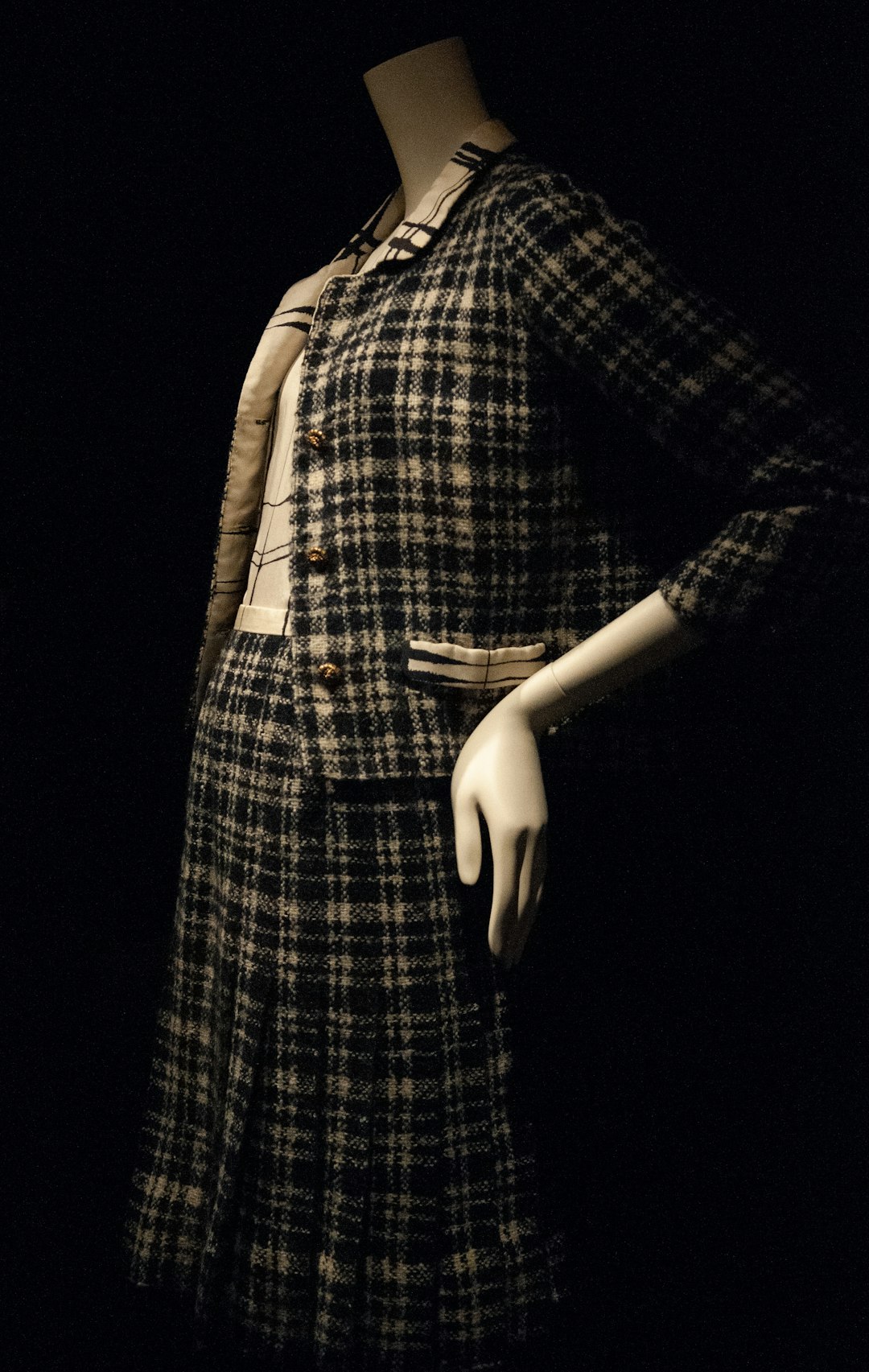
The technical prowess of the Chanel ateliers was on full display in the mid-section of the show. We saw mother-of-pearl paillettes knitted directly into sleeveless tops. There were "action painting" stitches on skirt suits that felt more like fine art than traditional tailoring. These are pieces that demand a close-up inspection to truly appreciate the weightlessness of the construction. Blazy is successfully translating the "poor" materials Coco loved into the highest form of luxury.
The market response has been immediate. A simple cotton shirt embroidered with the brand name is already sold out despite a price tag of €3,900.
There is a noticeable shift in the silhouette toward a more relaxed, almost nomadic ease. This is perhaps a trace of Blazy’s time at Celine. We saw oversized shirt silhouettes and blousons that functioned as contemporary updates to the classic tweed jacket. The drop-waist belts of the 1920s made a return, though they were positioned to create a new, slightly controversial erogenous zone below the hips. It was a bold move that prioritized a slouchy, modern attitude over the strict lozenge shapes of the past.
While Chanel looked to the future through its roots, Louis Vuitton closed the week with a different kind of nomadism at the Louvre. Nicolas Ghesquière collaborated with production designer Jeremy Hindle to create a cubist landscape for his own Fall 2026 vision. The contrast between the two houses was sharp. While Blazy focused on the "quiet revolution" of the garment, Ghesquière leaned into avant-garde folklore with scaled shoulder pads and bags carried on staffs.
The day belonged to Blazy’s quiet confidence. He seems to have found the frequency that resonates with the modern Chanel woman.
The finale was a masterclass in restraint. It was a fluid little black dress in jersey. From the front, it was deceptively simple. The back revealed a deep, open cut punctuated by a single silk camellia resting between the shoulder blades. It was the perfect embodiment of the butterfly at the ball. Blazy described it as a "quiet revolution," and for a house as massive as Chanel, that boom is being heard across the entire industry.

Frequently Asked Questions
Who is the current creative director of Chanel?
Matthieu Blazy is the current creative director of Chanel. He took over the role last year and the Fall 2026 Ready-to-Wear collection marks his second mainline season for the house.
Where was the Chanel Fall 2026 show held?
The show took place at the Grand Palais in Paris. The venue featured a unique set design with primary-colored construction cranes and a holographic floor inspired by the paintings of Claude Monet.
What was the inspiration behind the Fall 2026 collection?
The primary inspiration was an interview Gabrielle "Coco" Chanel gave to Le Figaro in the 1950s. She discussed the concept of fashion as both a "caterpillar" for daily function and a "butterfly" for evening elegance.
What are the standout materials used in the collection?
The collection featured a mix of functional and high-luxury materials. Key fabrics included ribbed merino wool, silk blends, mother-of-pearl paillettes, iridescent printed chainmail, and trompe l'oeil tweeds.
Is there a purchase limit on Chanel products this season?
Yes, Chanel has implemented a policy limiting customers to one "pillar" bag per purchase. This is reportedly intended to curb the immediate resale of items at higher prices due to the extreme demand.
How much does the embroidered Chanel cotton shirt cost?
The simple cotton shirt embroidered with the Chanel name is priced at €3,900. Despite the high price point, reports indicate that the item has already sold out in many boutiques.
What was the significance of the camellia in the final look?
The camellia is a classic Chanel house code. In the Fall 2026 finale, a single silk camellia was used to decorate the open back of a jersey little black dress, symbolizing the "butterfly" stage of Blazy’s design concept.