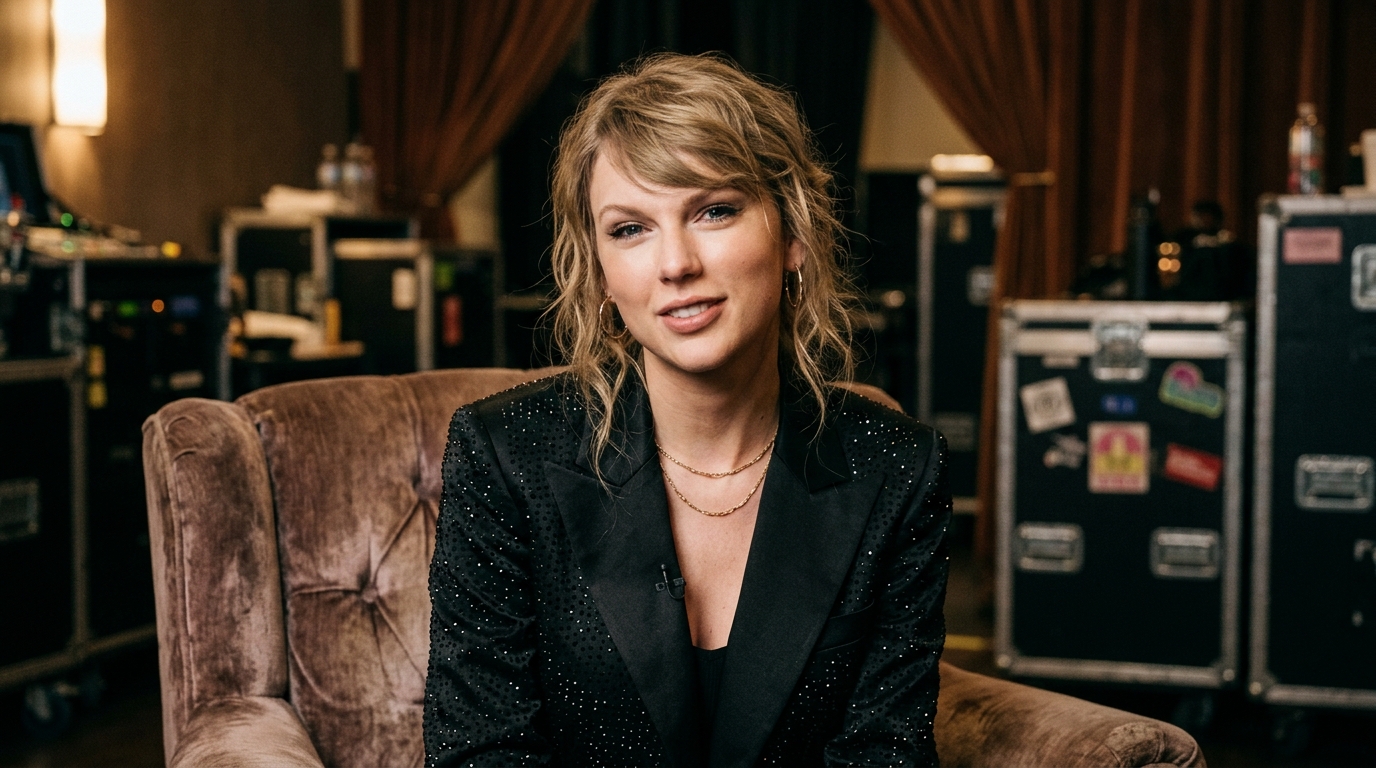
The landscape of intellectual property has shifted from securing album titles to guarding human existence. Celebrities are filing trademarks to combat AI clones at an unprecedented rate. Taylor Swift's trademark strategy against AI misuse is the latest blueprint for fame in the digital age. It is a calculated pivot from copyrighting art to legally fortifying flesh and blood.
This is not about merchandise. It is a preemptive strike against deepfakes mimicking unauthorized commercial endorsements.
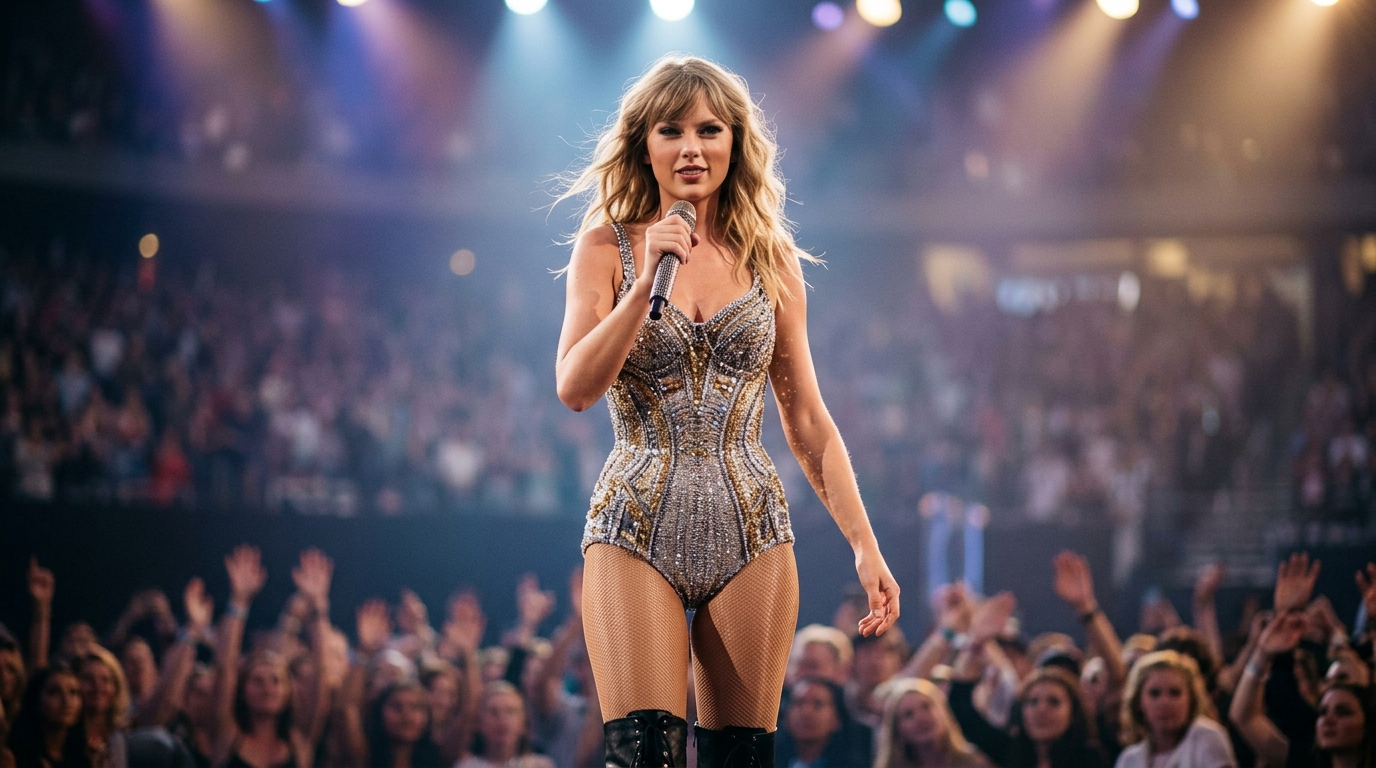
In April 2026, Swift filed three new applications with the U.S. Patent and Trademark Office through TAS Rights Management. Two filings protect specific soundbites of her speaking voice saying "Hey, it’s Taylor Swift" and "Hey, it’s Taylor". The third targets a visual aesthetic from the Eras Tour, specifically detailing a multicolored iridescent bodysuit, silver boots, and a pink guitar.
Consent is the most essential luxury currency in this market.
The pop superstar already commands a staggering portfolio. Billboard notes she holds more than 150 trademark registrations. She has secured legal protections for everything from "Swiftie" to the names of her three cats.
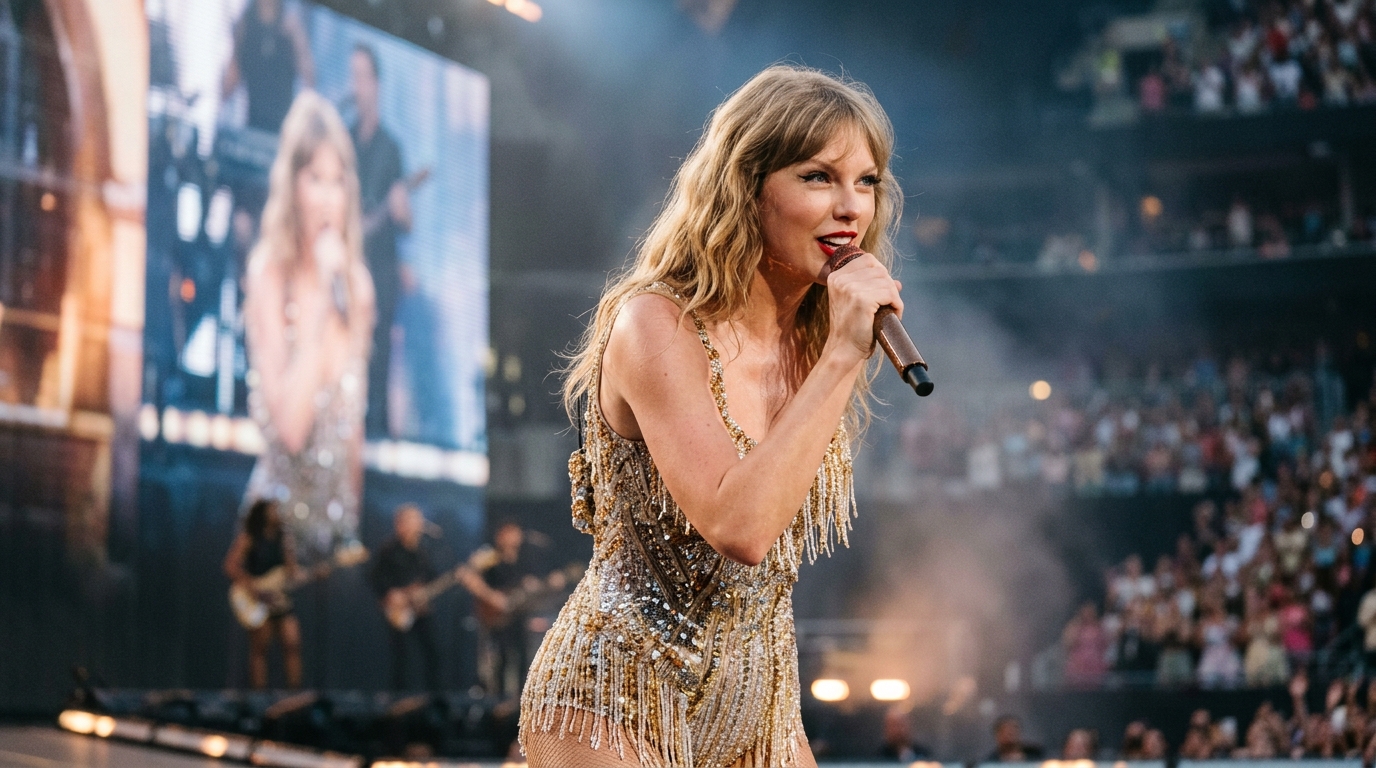
Swift is also embroiled in an ongoing battle over her latest record-breaking album. Her attempt to trademark the phrase "The Life of a Showgirl" was preliminarily denied in November. Las Vegas performer Maren Wade sued Swift for infringement over a preexisting mark for "Confessions of a Showgirl." Swift's legal team swiftly dismissed these claims as absurd and meritless.
The trademark office review process can take years. Obsolete applications are frequently abandoned.
Matthew McConaughey executed a similar maneuver earlier this year. The actor secured eight trademarks for his likeness in January 2026. This included images of him smiling and the iconic recording of him saying "Alright, alright, alright" from the 1993 film Dazed and Confused. His team sought a clear perimeter around ownership and attribution.
Right of publicity laws offer a fragmented patchwork of protection.
Legislation moves at a glacial pace compared to the speed of generative artificial intelligence. The UK Government published a report on AI in March 2026. It suggested a dedicated personality right might arrive eventually. Celebrities simply refuse to wait for the lawmakers.
British darts player Luke Littler intends to trademark his own face to avoid unauthorized commercial exploitation. Graeme Murray at Marks & Clerk recently highlighted this distinct shift. These high-profile filings prove that public figures are proactively turning their existence into an enforceable brand. The threat of a federal lawsuit through trademark law acts as a powerful deterrent against software.
SAG-AFTRA previously rallied for the No FAKES Act. The union aimed to shield voices from computer-generated mimicry.
Federal law could eventually render these individual maneuvers redundant. Until then, the trademark remains the sharpest weapon available. Public figures are securing their identities by any means.
You cannot copyright a human. You can register their signature.
Frequently Asked Questions
Why are celebrities filing trademarks for their voices?
Public figures are using trademark law to prevent artificial intelligence software from mimicking their likeness without consent. This strategy acts as a federal deterrent against deepfakes and unauthorized commercial endorsements.
What exactly did Taylor Swift trademark in April 2026?
Swift filed applications with the U.S. Patent and Trademark Office for two soundbites of her speaking voice. She also filed a visual trademark for a specific stage aesthetic featuring a multicolored bodysuit and a pink guitar.
Did Matthew McConaughey trademark his catchphrase?
Yes. In January 2026, the actor secured eight trademarks for his likeness. This included the audio recording of his famous phrase from the 1993 film Dazed and Confused.
Why was Taylor Swift sued over The Life of a Showgirl?
Las Vegas performer Maren Wade filed an infringement lawsuit against Swift. Wade already owns the trademark for Confessions of a Showgirl and claimed Swift's new album title caused market confusion.
What is the No FAKES Act?
The No FAKES Act is proposed legislation supported by SAG-AFTRA. It is designed to protect individuals from unauthorized computer-generated replicas of their voice and visual likeness.
Can regular people trademark their faces or voices?
Anyone can apply for a trademark through the relevant government office. The applicant must prove the mark is actively used in commerce to sell goods or services.