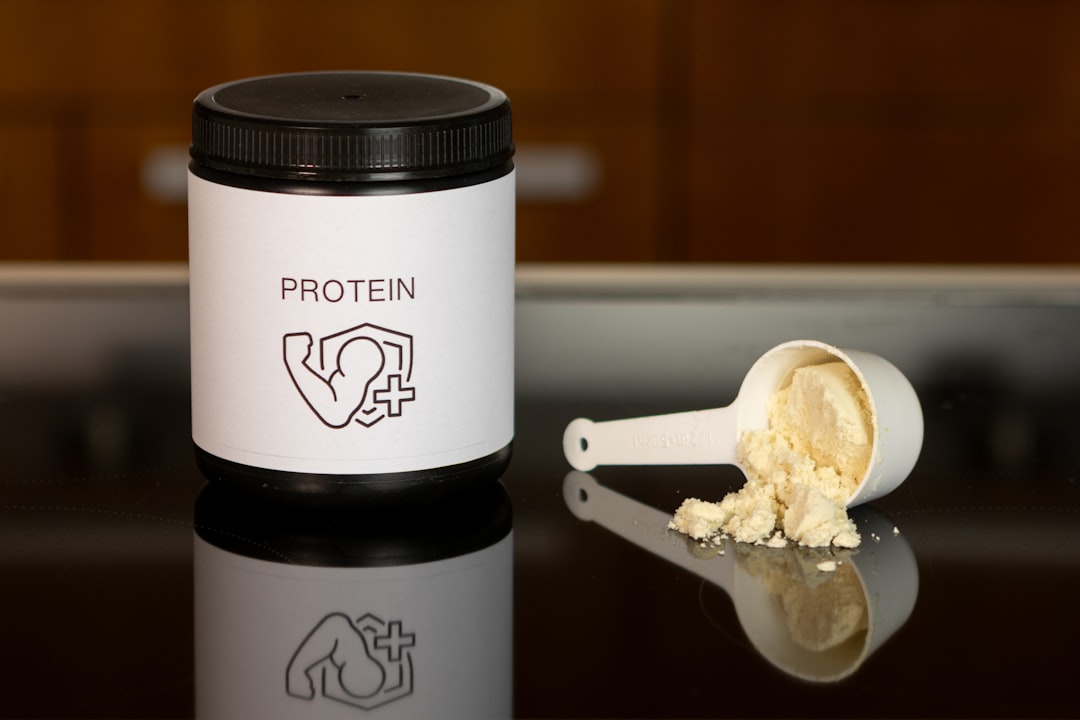
The wellness landscape is currently saturated with a single, aggressive macronutrient. You might be asking yourself, "Can Someone Please Tell Me What ‘High Protein’ Actually Means?" It is a valid question. The cultural shift toward "proteinmaxxing" has permeated every supermarket aisle. Social media influencers are treating it like a currency rather than a biological necessity.
The trend is impossible to ignore today. From cereal boxes to chips, brands are scrambling to slap a protein label on everything.
According to the National Frozen & Refrigerated Foods Association, forty-six percent of GLP-1 drug users actively seek high-protein frozen products. A recent Bain & Company survey confirms nearly half of US consumers are trying to increase their protein intake. Sales numbers reflect this shift perfectly. General Mills reported one hundred million dollars in fiscal 2024 sales from protein cereals.
But the actual definition remains surprisingly ambiguous now.
Michael Ormsbee, director of the Institute of Sports Sciences and Medicine at Florida State University, confirms there is no universally accepted definition. The obsession, however, is heavily rooted in clinical science.

The baseline Recommended Daily Allowance is a modest 0.8 grams per kilogram of body weight. Grace Derocha, a spokesperson for the Academy of Nutrition and Dietetics, notes that a two hundred pound man requires roughly seventy-two grams daily. Technically speaking, any intake above this threshold qualifies as high protein. Ormsbee defines the optimal high-protein range as 0.73 to one gram per pound of body weight.
A high-protein meal for most men sits comfortably between thirty-five and forty-five grams of nutrients.
John Carbone, a professor at Eastern Michigan University, points out the tangible benefits of exceeding the baseline. A higher intake supports weight loss, muscle retention, satiety, and bone health. Proper dosing improves your body composition.
Snacking requires a more strategic mathematical approach entirely.
Carbone recommends the ten percent rule for midday grazing. The protein content in grams should equal about ten percent of the total calorie amount. A standard five-ounce container of Greek yogurt with one hundred ten calories and eleven grams of protein fits this ratio perfectly. Derocha suggests that a dedicated high-protein snack should offer fifteen to twenty grams to combine convenience with lasting satiety and fiber.
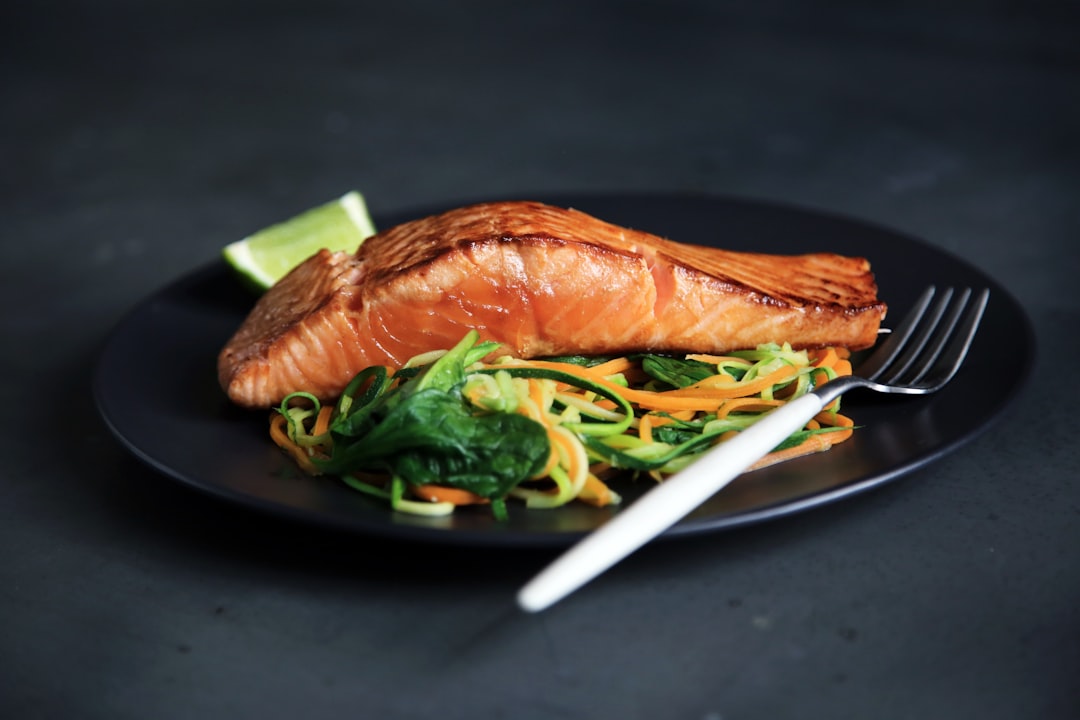
Whole foods will always remain superior to heavily processed alternatives. Lean meats, dairy, eggs, fish, and legumes provide a foundation.
Protein-fortified bars and shakes offer undeniable convenience for busy schedules. Carbone notes that whole foods deliver crucial components beyond macronutrients. Plants and lean proteins provide vitamins, minerals, and phytonutrients that powders often lack.
This brings us to the emerging concept of "fibremaxxing" taking over dietary spaces. Dietary fiber is tracking to become the dominant online trend of 2026. Experts insist that loading up on fiber is the true key to a life-changing gut glow-up. Companies like PepsiCo and Nestle are already highlighting fiber content in prebiotic sodas. PepsiCo CEO Ramon Laguarta recently stated that fiber is positioned to become the next protein.
Extreme optimization diets do come with documented medical risks and side effects.
A recent report detailed warnings from a nephrologist regarding extreme dietary habits. A heavily taxing high-protein diet can lead to glomerular hyperfiltration. This condition forces the filtering units of the kidneys to work overtime to remove nitrogenous waste products like urea.
When your body converts protein into amino acids, waste products accumulate in the bloodstream. A low-carbohydrate and low-fiber diet compounds this filtration disruption. Regular consumption of processed meat can increase acidity levels and negatively impact kidney function. Dehydration worsens these problems. You must consume plenty of fluids to prevent kidney stones while eating a protein-heavy diet.
The ultimate goal is to strike a sustainable balance between optimal nutrition and everyday culinary convenience.
We are moving away from the fluorescent tank tops of mall supplement stores. Protein has entered the chic mainstream lexicon of daily wellness. Whether you are consuming a six-ounce salmon filet or a carefully calculated Greek yogurt, the math remains the same. Calculate your personal requirement, prioritize whole ingredients, and avoid extremes.
True dietary elegance is found in moderation rather than excess.
Frequently Asked Questions
What does the term high protein actually mean?
There is no universally accepted medical definition for the term. It generally refers to a daily intake that exceeds the Recommended Daily Allowance of 0.8 grams per kilogram of body weight. Experts often define the optimal high-protein range as 0.73 to 1 gram per pound of body weight.
How much protein should a typical meal contain?
A standard high-protein meal for most adults should contain between 35 and 45 grams of the macronutrient. This amount ensures satiety and supports muscle retention. Examples include a six-ounce salmon filet or a chicken breast paired with grains.
What is the ten percent rule for snacks?
The ten percent rule is a dietary guideline for choosing effective snacks. It states that the protein content in grams should equal roughly ten percent of the total calorie amount. A 110-calorie yogurt should ideally contain at least 11 grams of protein.
Can eating too much protein damage your kidneys?
Excessive intake can lead to a condition called glomerular hyperfiltration. This forces your kidneys to work overtime to filter out nitrogenous waste products like urea and creatinine. Medical experts advise staying hydrated and avoiding diets that completely eliminate carbohydrates and fiber.
What is the difference between proteinmaxxing and fibremaxxing?
Proteinmaxxing is the trend of consuming as much protein as possible for muscle support and weight loss. Fibremaxxing is an emerging dietary focus on extreme dietary fiber intake to improve gut health and digestion. Both trends highlight the modern obsession with macro-nutrient optimization.