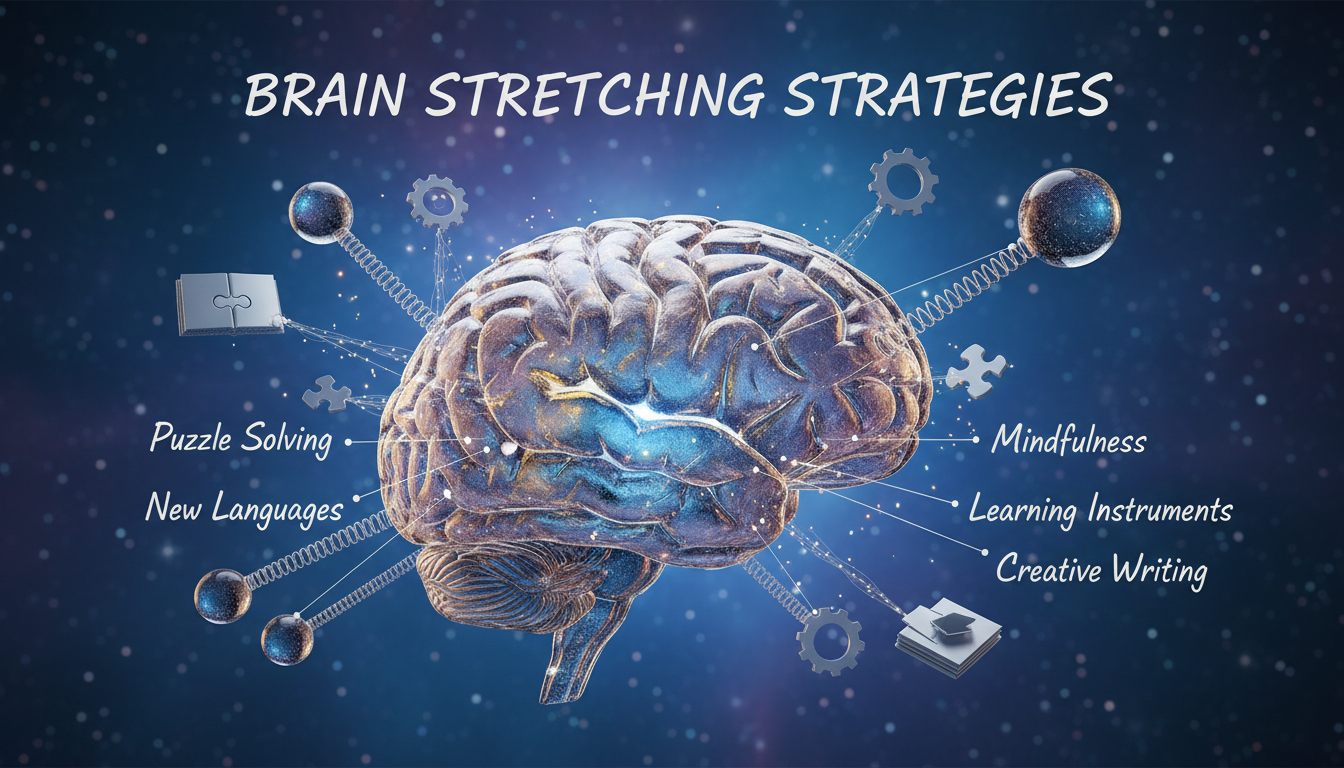
The modern medical consensus is shifting away from the fleeting distraction of digital games toward a more rigorous concept known as brain stretching. This is not a temporary fix. It is a lifelong commitment to intellectual density. Neuropsychologists now suggest that the most effective way to safeguard the mind is to treat it like a muscle that requires constant, varied resistance.
The data is striking. Researchers at Rush University Medical Center in Chicago recently concluded an eight-year observation of nearly 2,000 participants.
The study, led by neuropsychologist Andrea Zammit, followed adults ranging from age 53 to 100. It revealed that those who engaged in lifelong learning delayed the onset of Alzheimer's disease by five years compared to those who did not. This delay is not merely a statistical anomaly. It represents a significant expansion of a person’s cognitive lifespan. The findings were published in the journal Neurology.
It is about building a cognitive reserve.
This reserve acts as a structural buffer. Even when the physical brain begins to show the hallmarks of aging, such as amyloid plaques or tau tangles, the "enriched" brain continues to function. It finds new neural pathways to bypass the damage. It is a form of biological resilience that is cultivated through decades of reading, writing, and cultural engagement.

The activities that provide this protection are surprisingly analog. Researchers emphasize reading books and newspapers. They point to the value of visiting museums and learning second languages. Even childhood habits, like being read to or having access to an atlas, contribute to the foundation of this cognitive architecture. It is an investment that begins in the nursery and pays dividends in the ninth decade of life.
Middle age serves as a critical window for intervention.
If you did not spend your youth in a library, the opportunity is not lost. Scientists are now examining how new hobbies like birdwatching or playing a musical instrument can stimulate the brain's processing speed. The goal is to avoid dabbling. You must find a meaningful activity and stick with it. Consistency is the primary driver of neural plasticity.
Physical health remains an inextricable part of the equation.
The brain does not exist in a vacuum. It relies on the vascular system for oxygen and nutrients. Controlling blood pressure and managing diabetes are non-negotiable requirements for cognitive longevity. When the heart is compromised, the mind follows. Experts recommend thirty minutes of moderate intensity exercise five times a week to keep the system running.

There is also a surprising link between vaccinations and dementia risk. Specifically, the shingles vaccine has shown a correlation with lower rates of cognitive decline. Preventing inflammation and viral stress appears to protect the delicate neural networks that house our memories. It is a clinical detail that underscores the complexity of brain health in the modern age.
Sleep is the brain’s essential clean-up crew.
During deep rest, the glymphatic system removes metabolic waste that accumulates during the day. Chronic sleep deprivation puts the brakes on plasticity. It prevents the brain from stabilizing new connections. A cool, dark environment and a regular bedtime are the simplest tools we have for maintaining mental clarity.
Social interaction provides another layer of protection.
Engaging with others requires the simultaneous use of language, emotion, and memory. It is a high-level cognitive workout. Isolation, by contrast, has been linked to a measurable decline in brain structure. Joining a book club or a chess league provides the social friction necessary to keep the mind sharp.

The market for brain-training apps is vast, but many experts remain skeptical. Dr. Janina Kamm suggests that these games often offer very little real-world benefit. You might get better at a specific game, but that skill rarely translates to overall cognitive health. It is better to engage in tasks that force you to think on your feet in unpredictable environments.
The verdict is clear. We cannot stop the clock, but we can certainly slow down the arc of deterioration. By Curating a life filled with complex hobbies and robust physical health, we build a mind that is capable of enduring the challenges of time.
Frequently Asked Questions
What exactly is brain stretching compared to brain training?
Brain stretching involves engaging in diverse, complex activities like learning a language or playing an instrument that require multiple cognitive systems. Brain training usually refers to repetitive digital games that may only improve your skill in that specific game rather than your overall mental resilience.
How much can lifelong learning actually delay Alzheimer's disease?
According to the Rush University study, individuals with the highest levels of cognitive enrichment delayed the onset of Alzheimer’s symptoms by an average of five years. This suggests that the brain becomes more resilient to physical damage through consistent mental activity.
Is it too late to start brain stretching in middle age?
No. While early life enrichment provides a strong foundation, middle age is considered a vital window for brain health. Taking up new, meaningful hobbies during this period can still significantly contribute to your cognitive reserve and slow future decline.
Does physical exercise really impact dementia risk?
Yes. Physical health is critical because it maintains blood flow to the brain and reduces inflammation. Experts recommend 150 minutes of moderate exercise per week to help produce chemicals that act as "fertilizer" for new neural connections.
Why is the shingles vaccine mentioned in relation to dementia?
Recent research has shown a correlation between receiving the shingles vaccine and a lower risk of developing dementia. Scientists believe that preventing certain viral infections and the resulting inflammation may protect the brain from long-term damage.
What is cognitive reserve and why does it matter?
Cognitive reserve is the brain's ability to find alternative ways of getting a job done despite aging or disease. It is built through years of intellectual stimulation, allowing the mind to remain functional even when physical symptoms of Alzheimer's are present.
Can social interaction prevent cognitive decline?
Frequent socialization engages multiple brain systems including language and memory. Studies indicate that social interaction is associated with a slower rate of cognitive decline and a greater cognitive reserve compared to social isolation.