
The wellness landscape of 2026 has fully embraced what the internet affectionately calls "fibremaxxing." Recent research shows there is a best time of day to eat your fiber, pushing us past the era of obsessive protein counting. It turns out that strategic timing might be just as crucial as hitting those elusive daily targets. Gut health now entirely dictates the modern diet.
Dietitians are finally shifting the conversation. They want us to stop treating macronutrients like rival sports teams.
Frances Largeman-Roth perfectly describes the friction between protein and fiber as a struggle for the ages. Social media algorithms love to pit them against each other. Yet experts agree they are actually allies. Protein anchors the plate and builds muscle tissue, while fiber slows down digestion and regulates blood sugar. They work synergistically to maintain optimal health.
Post-workout recovery demands a highly precise nutritional approach.
Adults should aim to consume between 1 and 1.2 grams of protein per kilogram of body weight. This mathematical equation translates to roughly 81 to 109 grams daily for someone weighing 150 pounds. Grace Derocha points out that preserving lean muscle mass is especially critical for older individuals and those currently entering menopause.
Dietitians constantly warn against ignoring these fundamental dietary rules.

South Carolina dietitian Mia Syn refers to morning consumption as a metabolic head start. Front-loading your meals with soluble fiber establishes a sense of fullness. This simple habit prevents severe energy crashes.
The science backs up this morning ritual. A 2026 randomized trial revealed that adults eating a fiber-rich breakfast experienced greater weight loss and improved gut health compared to those eating heavy protein breakfasts like bacon and eggs. Starting the day with chia seeds or oats actively feeds your microbiome when your body is in an active metabolic state.
Strategic timing is the ultimate nutritional luxury today.
It is a delicate balancing act. You must carefully distribute your daily intake across daytime meals to perfectly align with your body's peak digestion hours. Avoiding a massive influx of roughage right before bed ensures your system can actually rest.
Evening consumption offers a completely different set of benefits and risks. Eating fibrous foods before bed can tame midnight cravings and support deeper sleep by steadying overnight blood sugar. However, heavy insoluble vegetables might cause discomfort. Dietitian Sarah Greenfield suggests aiming for ten grams per meal to avoid overwhelming your digestive tract all at once.
Late-night snacking requires a highly thoughtful approach.
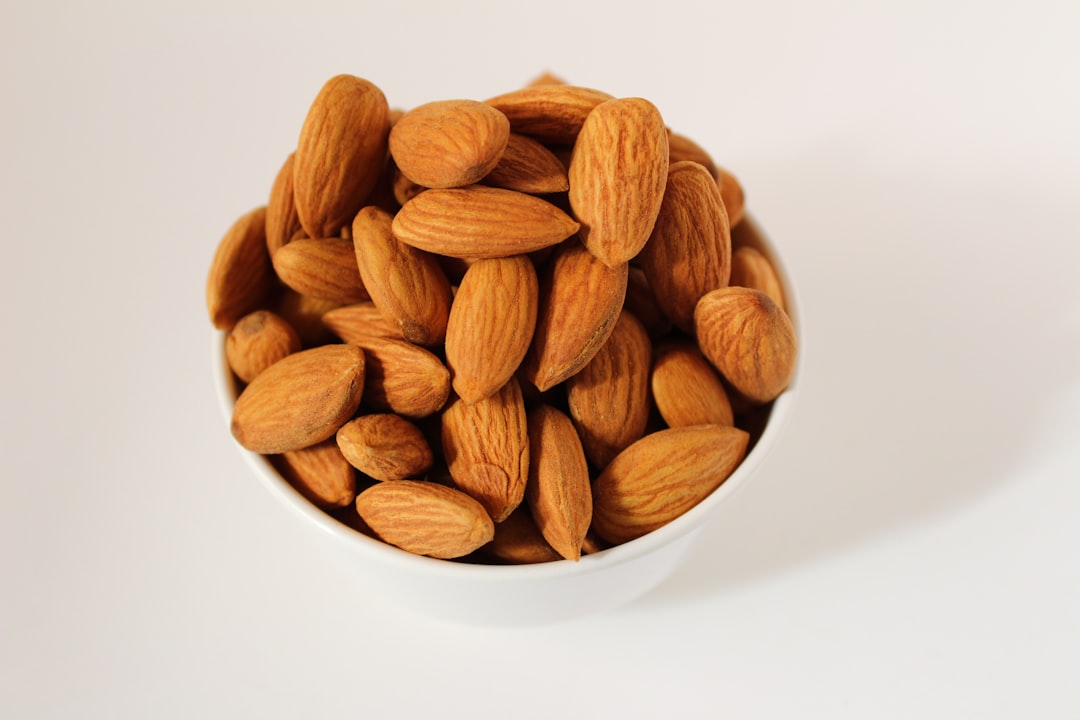
If you struggle with chronic constipation, experts advise making this macronutrient your major nutritional goal. Loading up on heavy proteins means you will need to consume even more roughage to successfully move food through your entire intestinal system.
Julia Zumpano of the Cleveland Clinic accurately named fiber the "it" nutrient of the year. The current dietary guidelines recommend between 25 and 38 grams per day. Surprisingly, ninety-five percent of Americans fail to reach this baseline. Zumpano advises integrating one or two plant-based additions into every meal to naturally repair your gut bacteria.
Soluble and insoluble variants play distinct but equally vital roles in maintaining your baseline digestive rhythm.
Soluble variants dissolve in water to form a gel that binds to cholesterol and slows digestion. This specific action is most beneficial while food is in your stomach. Insoluble variants act as nature's scrub brush by pushing waste through your system. Erin Palinski-Wade notes that these functions lower LDL cholesterol and drastically reduce the risk of stroke.
The focus must remain entirely on balanced, sustainable integration.
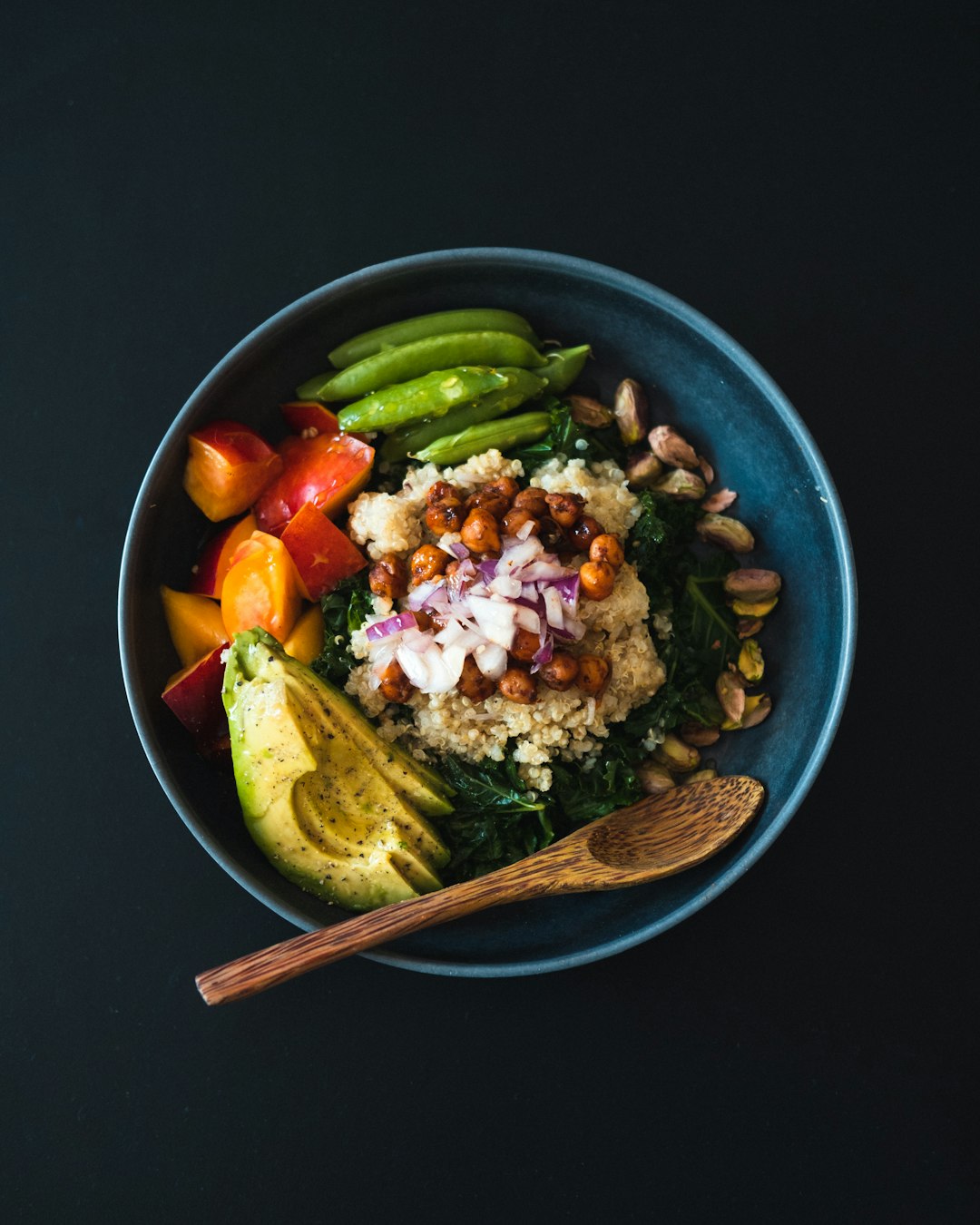
Consistency will always outperform an occasional bowl of whole grain cereal or a sporadic supplement. A balanced plate with high-fiber plants and sufficient calories is simply better for long-term health. The real power unlocks when you combine both nutrients intelligently.
Ultimately, protein and fiber are not enemies. Build a sustainable plate that honors both. Your digestive system will undoubtedly thank you for it.
Frequently Asked Questions
What is the recommended daily amount of fiber?
The latest dietary guidelines suggest 25 grams per day for women and 38 grams for men. Most adults currently fall short of this crucial goal.
Does eating fiber in the morning help with weight management?
Yes. Morning consumption provides a metabolic head start. It slows gastric emptying and helps reduce mid-morning snack cravings.
Can I take a fiber supplement at night?
It is generally better to consume heavy insoluble fiber earlier in the day. Late-night intake may cause bloating and disrupt your sleep cycle due to slowed nighttime digestion.
How do protein and fiber work together?
Protein acts as the anchor of a meal by keeping you full and supporting muscle health. Fiber slows the digestion of that protein to regulate blood sugar and maintain steady energy.
What are some easy ways to increase daily intake?
Registered dietitians recommend adding one or two plant-based foods to every meal. Simple options include adding berries to Greek yogurt or eating an apple with peanut butter.