The wellness industry thrives on the promise of the unprecedented. We are constantly sold the latest synthesized peptide or meticulously engineered supplement. Yet the clinical vanguard is currently looking backward. A wave of new medical research published in May 2026 confirms that our grandmothers were right all along. The medical establishment is finally taking notes.
Peta Bee recently noted in The Times that thirteen old wives' tales are demonstrably true. This concept is now a clinical reality.
The article "An apple a day: 13 old wives’ tales that are true" perfectly captures this cultural shift. Consider the classic directive to drink cranberry juice for a urinary tract infection. The American Society for Microbiology has moved this from folklore to peer-reviewed fact. A May 2026 study in Applied and Environmental Microbiology focused on uropathogenic Escherichia coli.
The natural juice fundamentally altered the bacterial state.
Researchers tested cranberry juice alongside common antibiotics. When paired with fosfomycin, the juice significantly enhanced antibacterial activity in 25 out of 32 tested strains. The results completely surprised the medical team.

It sharply reduced the emergence of spontaneous antibiotic resistance. Resistance rates dropped by up to five orders of magnitude. Marie-Christine Groleau and her team demonstrated a synergistic mechanism where a natural dietary compound makes a first-line antibiotic vastly more lethal. The implications for the global antimicrobial resistance crisis are extraordinary. Culinary tradition masks complex biochemical interactions.
Similar clinical revelations are emerging regarding cardiovascular health. Plant-based diets have long been championed by holistic practitioners globally.
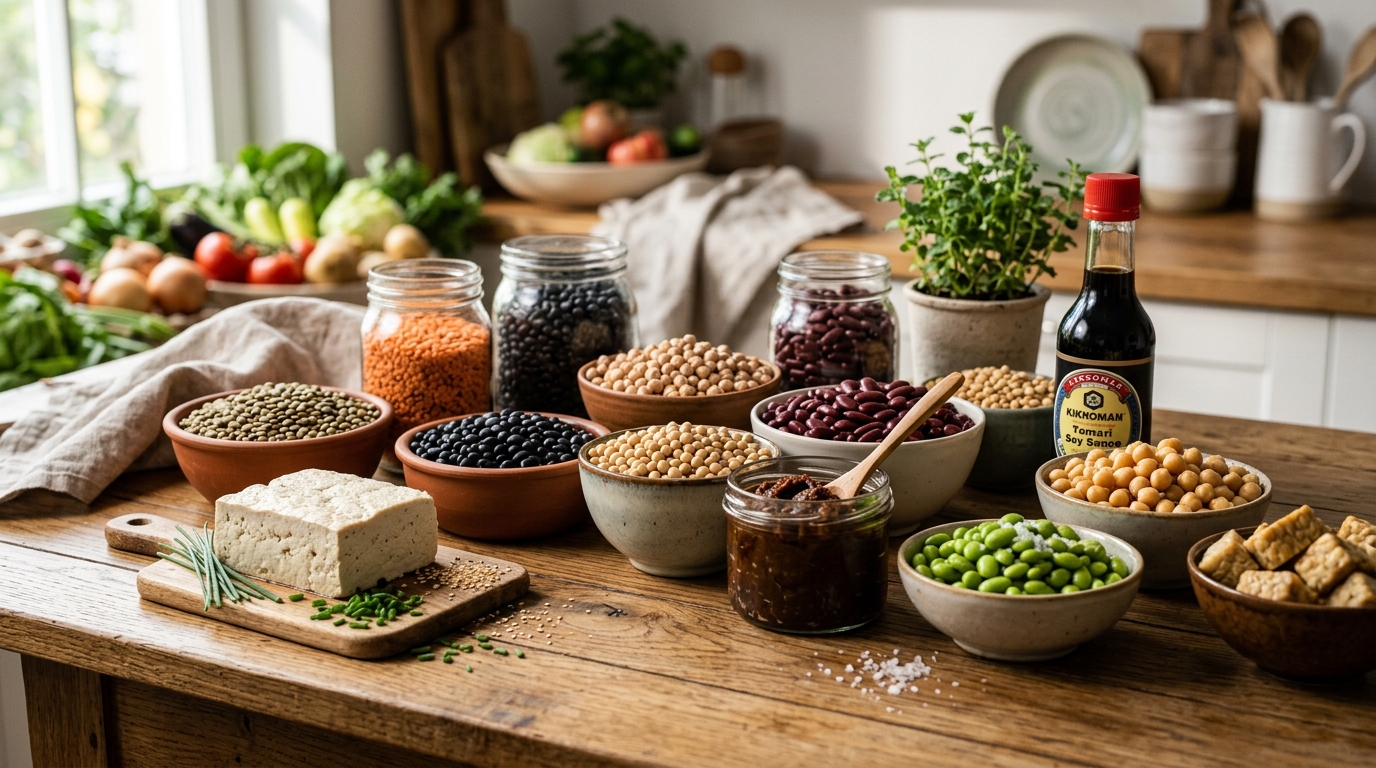
A large pooled analysis published in BMJ Nutrition Prevention & Health evaluated data from the United States, Europe, and Asia. The findings definitively link legumes and soy foods to a reduced risk of high blood pressure.
The daily optimal dosages for these benefits are accessible.
Consuming approximately 170 grams of legumes daily reduces hypertension risk by 16 percent. This equates to just one standard cup of cooked beans or lentils. Soy intake of 60 to 80 grams per day yields a 19 percent risk reduction. Researchers credit naturally occurring nutrients like potassium, magnesium, and dietary fiber. Isoflavones in soy provide an additional physiological benefit.
Beyond the dinner plate, medical researchers are decoding cellular resilience. Kyoto University scientists recently identified a stress-response protein named ATF6α. This vital regulator operates deep inside the human pancreas.
It dictates how insulin-producing beta cells survive chronic metabolic stress. This mechanism essentially prevents their structural collapse.
Type 2 diabetes progresses when these beta cells lose their function and die. A 2026 study published in Diabetes utilized genetically engineered mice lacking ATF6α. Without this protein, beta cell proliferation plummeted. Rates of programmed cell death surged under stressful conditions like high-fat diets. ATF6α acts as a central coordinator allowing adaptation to prolonged metabolic demands.
The focus is shifting from symptom suppression to prevention.
These studies represent a broader intellectual pivot in the medical community. We are moving past the era of viewing traditional diets as mere superstition. Modern diagnostics are finally measuring the wisdom of the past.
The dietary implications of these findings are wonderfully straightforward. You do not need a synthesized isolate to protect your blood vessels. A simple serving of edamame or a bowl of lentil soup delivers mathematically proven cardiovascular protection. It is a striking reminder that nature engineered the most effective preventative medicines long before the pharmaceutical boom.
The old wives were entirely correct in their prescriptive habits. We just needed the technological advancement to prove it.
Sıkça Sorulan Sorular
"An apple a day: 13 old wives' tales that are true" makalesi neyi vurguluyor?
Bu makale geleneksel sağlık tavsiyelerinin modern bilim tarafından nasıl kanıtlandığını inceliyor. The Times gazetesinde yayımlanan bu derleme, büyükannelerimizin eski öğütlerinin aslında sağlam bir klinik temeli olduğunu gösteriyor.
Kızılcık suyu idrar yolu enfeksiyonlarına (İYE) iyi gelir mi?
Evet. Mayıs 2026'da yayımlanan bir araştırma, kızılcık suyunun fosfomisin adlı antibiyotiğin etkinliğini ciddi şekilde artırdığını kanıtladı. Ayrıca bakterilerin antibiyotik direnci geliştirmesini önemli ölçüde engelliyor.
Tansiyonu düşürmek için ne kadar baklagil tüketilmelidir?
BMJ Nutrition Prevention & Health dergisindeki araştırmaya göre günde yaklaşık 170 gram baklagil tüketmek idealdir. Bu miktar pişmiş olarak yaklaşık bir su bardağına denk gelir ve hipertansiyon riskini yüzde 16 oranında azaltır.
Soya ürünleri kalp sağlığını nasıl etkiler?
Günde 60 ila 80 gram soya ürünü tüketmek hipertansiyon riskini yüzde 19 oranında düşürüyor. Soyadaki izoflavonlar, potasyum ve magnezyum kan damarı fonksiyonlarını destekleyerek tansiyonu dengeliyor.
ATF6α proteini nedir ve diyabetle ne ilgisi vardır?
ATF6α, pankreastaki insülin üreten beta hücrelerini metabolik strese karşı koruyan hücresel bir proteindir. Kyoto Üniversitesi araştırmacıları, bu proteinin Tip 2 diyabetin ilerlemesini durdurmada kritik bir rol oynadığını ve hücre ölümü oranlarını düşürdüğünü keşfetti.