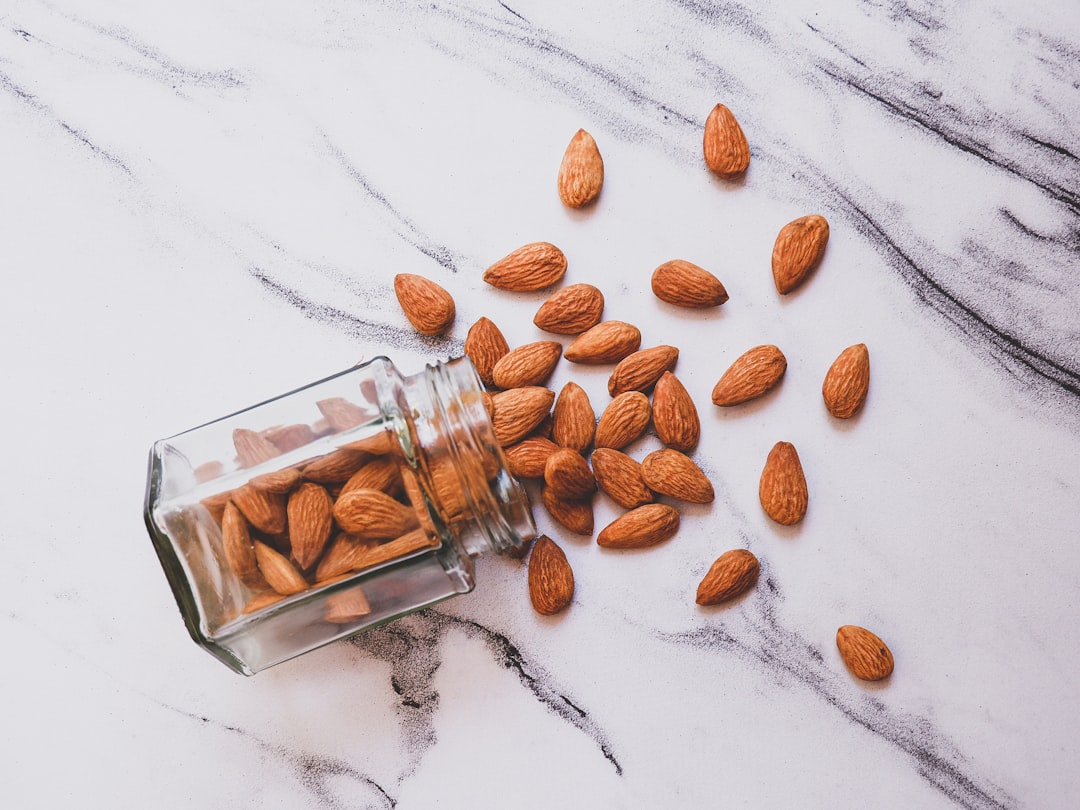
The conversation around wellness often feels cluttered. Recent studies from 2026 offer a sharp pivot. Researchers reveal that regular almond consumption transforms your intestinal microbiota. It is a highly sophisticated biological mechanism.
Raphaël Gruman is a Paris-based dietitian and nutritionist who views digestion with an editorial eye. He states clearly that the microbiota directly depends on what we eat. Every meal is a biological decision. The food you select programs the health of your arteries. Your gut is an ecosystem populated by microscopic tenants. Feeding these beneficial bacteria is not a trendy luxury.
It is a fundamental biological necessity for a functioning body.
The science gets quite technical here. Beneficial bacteria in your gut produce short-chain fatty acids like butyrate. This specific compound reduces inflammation. It acts as a biological bridge between the gut and the heart.
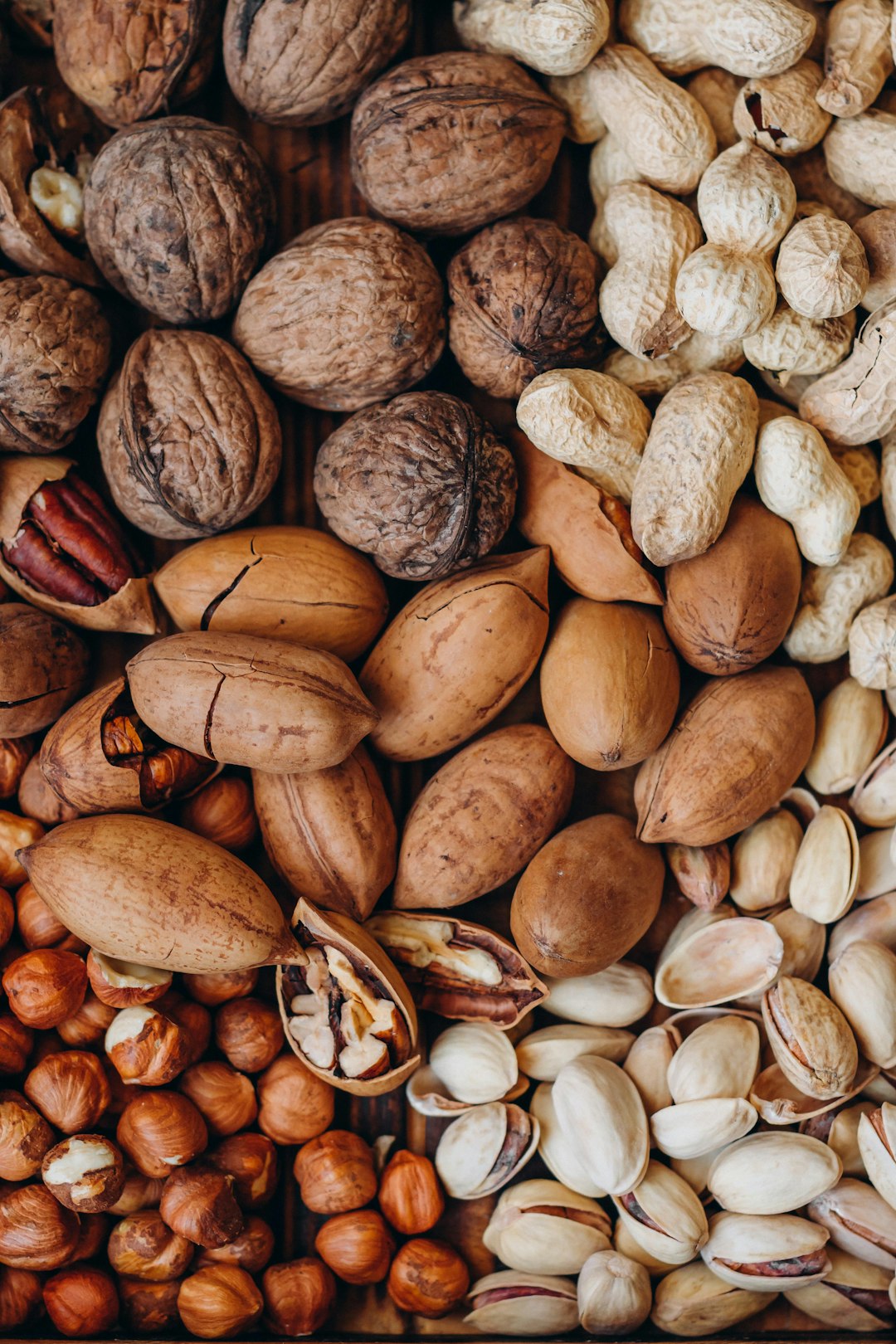
Almonds are not just a garden-variety nutritious snack. They possess a documented prebiotic effect. A malnourished microbiome triggers hunger hormones and suppresses leptin. Leptin is the hormone that signals fullness. A balanced gut regulates your appetite naturally. Almonds rank incredibly high among natural appetite suppressants for anyone curating a healthy routine.
Despite their high calorie density they do not promote weight gain.
The dosage requires precision. Eating at least 50 grams of almonds daily can slightly reduce body mass for those facing elevated metabolic risks. That is roughly 1.75 ounces. Very few foods offer such a favorable ratio of benefits to calories. You can consume them as almond cream or energy bars. You can blend them into pesto. There is life beyond munching a plain handful.
Taking care of your microbiome is a long-term investment in heart health. Surgeon and author Dr. Karan Rajan advocates for a highly specific nutritional framework. It is called the portfolio diet.
Dr. David J.A. Jenkins invented this system in the early 2000s.
The clinical results rival modern pharmaceuticals. A 2003 study found the portfolio diet reduced bad cholesterol by almost 29 percent. Dietitian Andrea Glen contributed to 2023 research confirming these benefits. Sticking strictly to this dietary architecture lowers the risk of heart disease by 14 percent. The diet operates through four strict pillars of daily consumption.

The British Heart Foundation offers a necessary caveat. Statins carry unique benefits and proven outcomes beyond merely lowering cholesterol. Patients prescribed statins must continue taking their medication.
The dietary approach serves as a powerful complementary mechanism.
The first pillar mandates 50 grams of plant-based protein daily. You must source this from soy products like tofu and tempeh. Legumes like lentils and chickpeas are also required. These specific amino acids assist the liver in downregulating cholesterol synthesis. The intake of saturated animal fats drops precipitously as a direct result.
The second pillar demands roughly 45 grams of tree nuts. Almonds and walnuts are the prime choices. They are incredibly dense in monounsaturated and polyunsaturated fats.
Their high fiber content alters the lipid absorption rate in the intestinal tract. These nuts trigger an increase in LDL receptors on the liver. The liver then acts as a filtration system to clear excess cholesterol from the bloodstream. It prevents the fatty cholesterol from adhering to your delicate arterial walls.
Hypercholesterolaemia is an increasingly urgent global health crisis.
Urban populations across the globe are seeing a massive surge in non-communicable diseases. Rapidly modernizing cities like Nairobi face these exact health challenges. Implementing the portfolio diet provides a highly accessible tool for longevity in these environments. The third pillar of the diet focuses entirely on the mechanics of digestion.
This phase relies on viscous soluble fiber. You find this sticky fiber in oats, pearl barley, okra, and eggplant. It binds to bile acids in the gastrointestinal tract and forces the body to excrete them.
The liver must then pull more cholesterol from the blood to produce fresh bile.
The final pillar involves phytosterols. These are plant compounds that beautifully mimic the structural architecture of human cholesterol. They actively compete with dietary cholesterol for absorption receptors in the gut lining. When receptors are saturated with phytosterols, the harmful animal cholesterol is completely blocked.
You can achieve optimal phytosterol levels easily. Consume unrefined extra virgin olive oil, sesame seeds, and cruciferous vegetables like broccoli. Fortified yoghurts and spreads also help meet this exact target.
Executing all four steps creates a cumulative reduction of bad cholesterol.
The true power of this dietary strategy is its additive effect. Each pillar individually lowers cholesterol by a small margin. Combining them matches the clinical performance of low-dose statins. Swapping out empty calories for almonds and plant proteins is a deliberate act of design. It is a profound structural upgrade for your entire body.
Frequently Asked Questions
How many almonds should I eat daily for metabolic health?
Research suggests eating at least 50 grams of almonds daily. This amount provides optimal prebiotic benefits and can slightly reduce body mass for those with metabolic risks.
What is the portfolio diet?
The portfolio diet is a cholesterol-lowering nutritional plan invented by Dr. David J.A. Jenkins. It combines plant proteins, nuts, viscous fiber, and phytosterols to reduce LDL cholesterol by up to 30 percent.
Can almonds replace statin medication?
No. While the portfolio diet and almond consumption can lower cholesterol significantly, they are not direct substitutes for prescribed medication. Always consult your doctor before altering your statin dosage.
How do almonds affect the gut microbiome?
Almonds act as a prebiotic that feeds beneficial gut bacteria. These bacteria produce short-chain fatty acids like butyrate, which reduce inflammation and regulate metabolism.
What are the best foods for phytosterols?
Unrefined vegetable oils like extra virgin olive oil are excellent sources. You can also find phytosterols in sesame seeds, broccoli, cauliflower, and fortified health foods.
Do almonds cause weight gain?
No. Despite their high calorie density, almonds do not promote weight gain. They act as a natural appetite suppressant by helping the body regulate leptin levels.