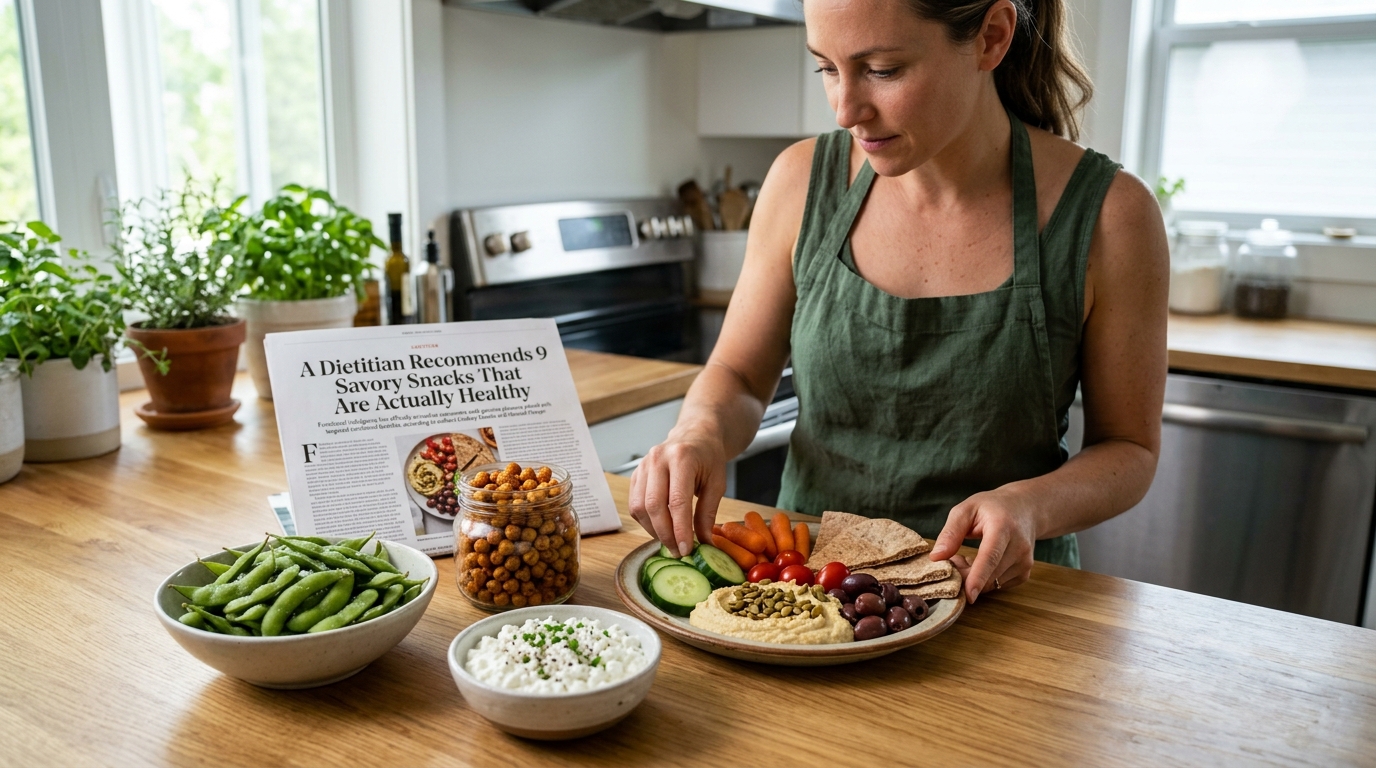
Recently, a headline caught my attention. A Dietitian Recommends 9 Savory Snacks That Are Actually Healthy. Written by Lindsey Desoto and Hannah Harper, the piece perfectly captures the current culinary mood. We are collectively exhausted by chalky textures and synthetic aftertastes. Snacking has finally grown up. It is no longer about blind restriction or empty calories.
Functional indulgence has officially arrived. People want genuine pleasure seamlessly paired with targeted nutritional benefits.
The global protein snacks market is expanding rapidly. Research and Markets projects it will reach 5.86 billion dollars in 2026. This surge is driven by a profound shift in consumer expectations. We are scrutinizing labels and questioning industrial additives. A 2025 survey revealed that 28 percent of American consumers actively avoid seed oils. Gut health now dictates our purchasing decisions.
The days of accepting digestive distress for protein are over.
Health experts are pointing us back to whole foods. The recommended savory options include roasted chickpeas, edamame, and cottage cheese. Popcorn with pumpkin seeds and a Mediterranean snack plate also made the final cut.

When whole foods are not accessible, the packaged sector is stepping up. Linear Bar is a prime example of this evolution. Founder Mel Scott spent years battling leaky gut and small intestinal bacterial overgrowth. She blamed the synthetic ingredients in conventional protein bars. Her solution was a deliberate formulation using premium organic whey isolate and chickpea proteins.
Mel Scott noted that people see protein and assume it is healthy. They often ignore what those industrial ingredients do over time.
Major conglomerates are aggressively entering the clean snacking space. Ferrero Group acquired the fitness-focused manufacturer Power Crunch in January 2025. Arla Foods Ingredients debuted a novel dairy-based protein bar concept in October 2025. These strategic moves validate a lucrative consumer trend. Shoppers refuse to compromise on texture when seeking their daily macronutrient requirements.
True indulgence must now coexist with absolute transparency.
The International Food Information Council noted a massive behavioral shift. Seventy-one percent of Americans focused on higher protein intake in 2024. This represents a steep climb from previous years. The demand is real.

The broader protein bar market reflects this exact same appetite for quality. Valued at roughly 12.6 billion dollars globally in 2026, it is projected to hit 19 billion by 2033. This compound annual growth rate of 6.1 percent is not fueled by legacy brands. It is driven by innovative newcomers prioritizing clean labels. Consumers demand layered textures and recognizable ingredients.
Satiety is the ultimate goal for the modern professional. Flavors like Chewy Gooey Caramel prove that nutrition can feel decadent.
Fiber is currently having a massive moment in the wellness community. It plays a critical role in blood sugar management and prolonged fullness. Brands are taking note by engineering snacks that combine high fiber with complete plant proteins. Linear packs up to twelve grams of fiber into each serving. This dual approach ensures steady energy levels throughout demanding corporate afternoons.
Nutrition is no longer viewed as a mechanism of punishment.
Premium positioning does come with a notable financial cost. Products utilizing organic certified ingredients demand higher price points at checkout. Linear bars are primarily sold direct to consumer or at upscale grocers.
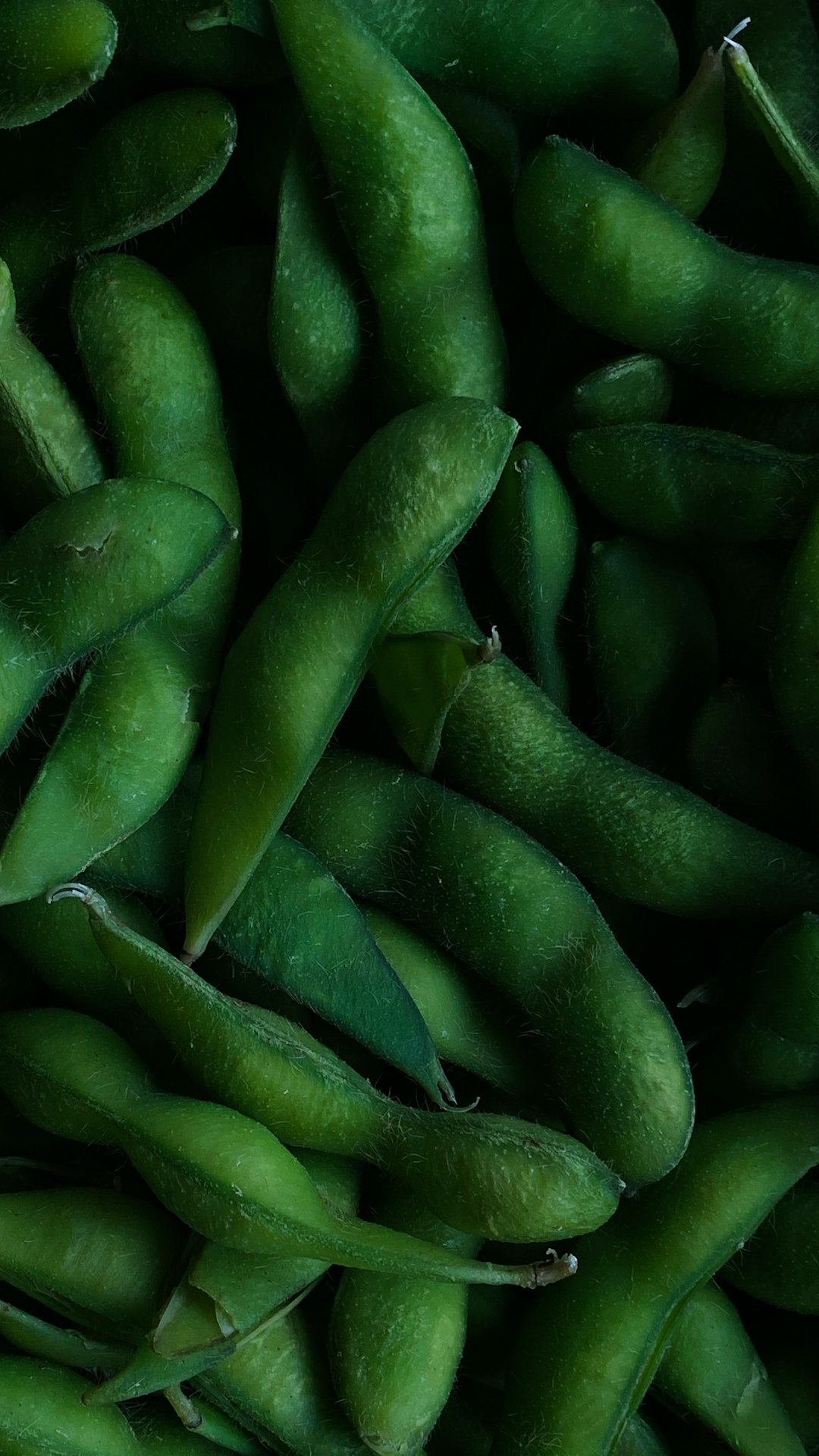
Not every shopper can afford these luxury packaged goods on a daily basis. This is exactly why the foundational whole foods remain crucial. Relying on simple ingredients like hard-boiled eggs or roasted edamame provides similar metabolic benefits. The modern diet requires a realistic balance of both worlds. A perfectly curated pantry blends convenience with raw nutritional integrity.
The old model of accepting mediocre flavors is rapidly losing ground. We are rewarding products that deliver genuine functionality.
Global trade relations also influence how these premium snacks are manufactured. The rising cost of imported raw materials forces brands to diversify their supplier bases. Some regions are actively accelerating domestic production to maintain their profit margins. This localized approach often results in fresher ingredients. It perfectly aligns with the overarching consumer desire for traceability.
Snacking has transformed into a highly intentional practice.
The era of functional indulgence raises the floor for convenient eating. Treating yourself no longer requires a compromise you will regret later. The future of food honors both our physical health and our sophisticated palates.

Frequently Asked Questions
What are the best healthy savory snacks recommended by dietitians?
Dietitians frequently recommend whole foods for savory snacking. Options include roasted chickpeas, edamame, cottage cheese, and whole-grain crackers. Popcorn paired with pumpkin seeds or a Mediterranean snack plate are also excellent choices.
Why are consumers avoiding seed oils in protein bars?
Many wellness-focused eaters avoid seed oils due to concerns over industrial processing methods. A 2025 survey indicated that 28 percent of American consumers skip these oils to maintain better omega-6 balance and support overall gut health.
How much is the global protein snacks market worth in 2026?
The global protein snacks market is experiencing significant growth. Research and Markets projects the sector to reach 5.86 billion dollars in 2026. The broader protein bar market is valued even higher at roughly 12.6 billion dollars.
What ingredients are used in Linear protein bars?
Linear bars utilize a foundation of premium organic whey protein isolate. This is supplemented by pea and chickpea proteins to create a complete macronutrient profile. The brand strictly avoids seed oils and artificial sweeteners like sucralose.
When did Ferrero acquire Power Crunch?
Ferrero Group officially acquired the fitness-focused manufacturer Power Crunch in January 2025. This strategic corporate move allowed Ferrero to expand its global distribution network within the rapidly growing high-protein snack category.