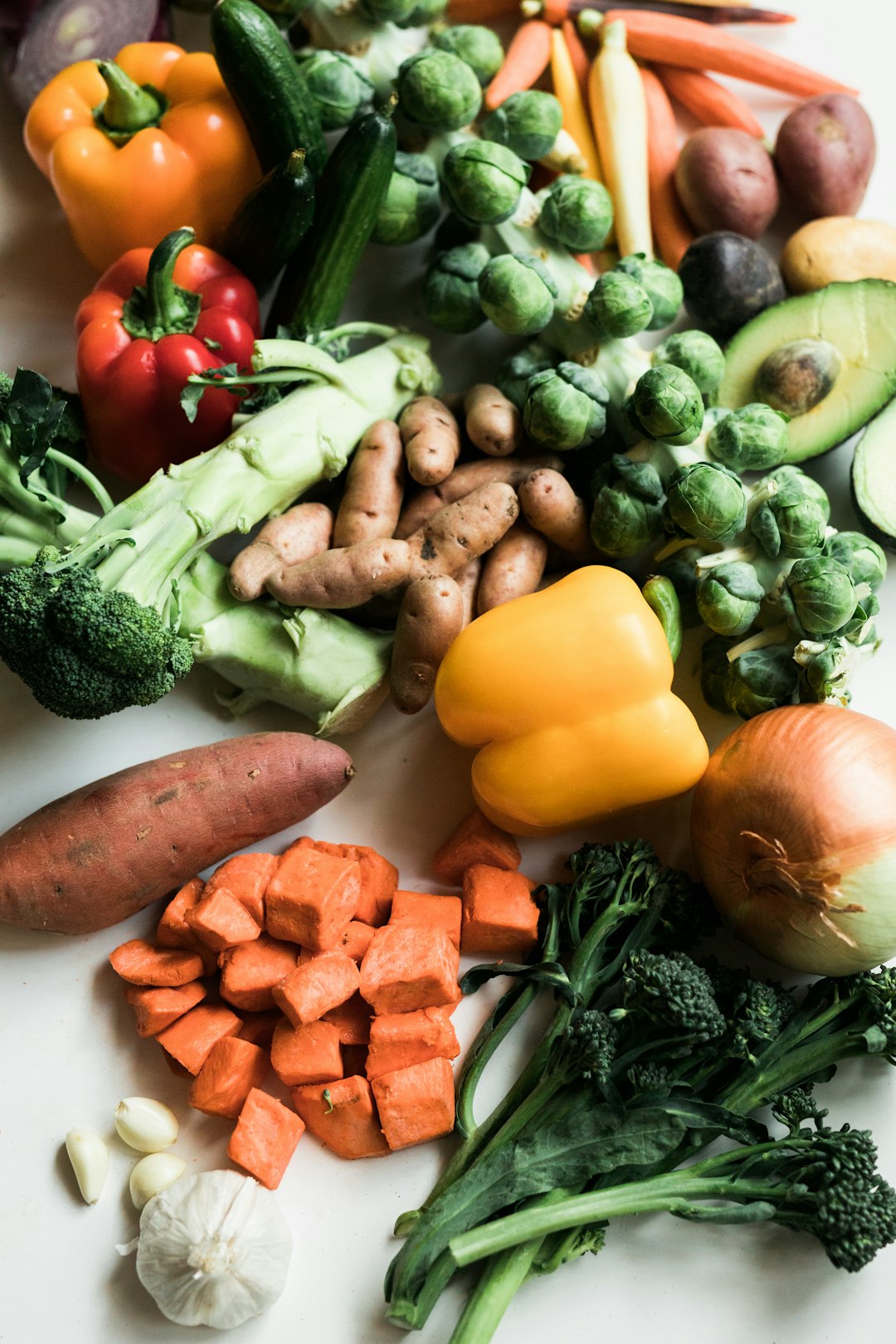
It is a crisp Wednesday morning in late April, and the local markets are overflowing. We are analyzing the 8 spring foods packed with fiber and antioxidants, according to dietitians who track these seasonal shifts. Spring arrived slightly ahead of schedule this year. The wait for these specific arrivals still felt entirely too long. We are finally witnessing the absolute peak of the harvest.
Produce expert Josh Alsberg calls this exact moment a masterclass in seasonal pairings. The sheer volume of fresh options is staggering. We are moving away from the dense, heavy root vegetables of winter and stepping into a lighter, far more vibrant culinary palette.
Nutritionists consistently highlight this specific agricultural window for its immense value. We are looking at the exact intersection of high dietary fiber and potent antioxidants. These ingredients do not require heavy sauces or complex preparations. They are structurally complete on their own. The sudden arrival of so many crops at once demands a highly strategic approach to eating. You must respect the produce by doing less.
Texture remains the defining characteristic of this entire crop.
Asparagus serves as the foundation of the modern spring plate. It is a highly nutrient-dense stalk that actively promotes a healthy digestive system. The inherent plant fiber efficiently rids the body of accumulated winter toxins. Dietitians revere it for its striking antioxidant profile. When cooked correctly, it retains a distinct snap that elevates any meal from casual to sophisticated.
Local Oregon strawberries are currently experiencing their absolute peak. These tart, early-season berries offer a sweet crunch that perfectly counters savory elements. They deliver an exceptional volume of vitamin C to the body.
Alsberg recommends blending them with ice, lemon, sugar, and savory basil for a highly sophisticated cooler. They also elevate simple salads when paired with the first local lettuces of the season. The juxtaposition of a firm, tart berry against a delicate green leaf is a brilliant study in contrasting flavors. You are tasting the raw energy of the spring soil in every single bite.

Snap peas are the natural companion to the strawberry. Sliced thin, their crisp profile plays beautifully against the soft fruit.
The earthy intensity of morel and porcini mushrooms grounds the lighter greens. Alsberg suggests sautéing morels in plenty of butter to release their deep, woody flavor profile. They possess an almost meaty heft.
You can also infuse a rich cream sauce with intense porcini mushrooms and toss it with fresh pasta. The magic here lies in combining the grounded, earthy intensity of the best spring mushrooms with the light, fresh flavor of the tenderest new shoots. It is an exercise in culinary balance. The dark richness of the fungi perfectly highlights the vibrant, grassy notes of the new vegetables.
Leeks provide a subtle, sweet aromatic base for those fungi.
They are remarkably nutrient-dense and packed with protective antioxidants. Their high fiber content directly contributes to long-term gut health. You should incorporate them generously into your weekly rotation.
Radishes and little hakurei turnips represent the essential root category. Alsberg takes two bunches of these crisp roots to play with temperature and texture. He roasts one bunch for a satisfying heft and slices the other thin for a cool, raw crunch. Tossed together with fresh spring herbs, the final salad possesses a satisfying weight without ever feeling sluggish or heavy on the palate.

Pea shoots offer an ethereal, airy contrast to the dense roots.
Tossing these tender shoots into a warm dish at the very last minute preserves their delicate cellular structure. They are the absolute definition of fresh, green flavor. They wilt beautifully without losing their identity.
Kale remains a non-negotiable staple for the transition into warmer weather. This leafy green is a well-documented powerhouse of iron, protein, and dietary fiber. It anchors the lighter spring offerings with substantial, protective plant compounds. While other greens might fade into the background, kale demands attention and provides the necessary structural support for a balanced diet.
The market context for these ingredients is extremely fleeting.
This precise combination of tart berries, tender shoots, and earthy fungi will disappear as the intense summer heat sets in. You have a very brief window to experience this exact nutritional and textural profile.
Buy these items immediately. Prioritize local sources whenever possible, embrace the raw textures, and let the exceptional quality of the spring soil do the heavy lifting. Do not overcomplicate the plate with unnecessary techniques. The ultimate luxury in modern dining is having access to flawless, seasonal ingredients that speak clearly for themselves. Enjoy the harvest while it lasts.
Frequently Asked Questions
Why are antioxidants important in spring produce?
Antioxidants protect your cells from oxidative stress and free radical damage. Consuming them through fresh spring produce helps reset your immune system after winter. They also support cellular repair and reduce inflammation.
What is the best way to cook morel mushrooms?
Morel mushrooms respond best to simple sautéing. Cook them in a generous amount of butter to release their deep, woody flavor profile. Avoid over-seasoning them to preserve their natural earthy intensity.
How do you keep snap peas crisp in a salad?
Slice them thin and add them to your salad immediately before serving. Do not let them sit in acidic dressings for extended periods. The acid will break down their cellular walls and ruin their natural crunch.
Can strawberries be used in savory dishes?
Yes. Early-season local strawberries are naturally tart and firm. They pair exceptionally well with local lettuces, thin-sliced snap peas, and savory herbs like basil.
What are hakurei turnips and how do they taste?
Hakurei turnips are small, white spring roots known for their crisp texture. They have a mild, slightly sweet flavor that lacks the sharp bite of traditional turnips. They can be eaten raw in salads or lightly roasted.
Why is kale considered a transition food for spring?
Kale is robust enough to survive cooler early spring temperatures. It provides high levels of iron, protein, and dietary fiber. This nutritional density helps maintain energy levels as the body adjusts to warmer weather.