The conversation around wellness has shifted from the superficial to the cellular. It is no longer just about the silhouette. Today, true vitality begins on the plate. Exploring the 8 probiotic superfoods backed by a nutritionist to take care of the gut microbiota reveals a fascinating intersection of culinary tradition and biological necessity. The focus is squarely on the gut.
Wellness is an internal ecosystem. How we feed it determines our resilience against stress and the exhaustion of modern life.
Nutritionist Laura Parada points out a striking detail. More than seventy percent of our immune system resides in the intestine. This fact alone reframes how we should view our daily meals. Parada advocates for a dietary pattern that promotes bacterial diversity. The Mediterranean diet serves as a prime example. It is rich in fiber and fermented ingredients that lower intestinal inflammation.
Bacterial diversity relies on variety rather than sheer quantity.
Live microorganisms are the foundation of this internal repopulation. These probiotics actively repair the constant damage inflicted by pesticides and ultra-processed foods. We must consume them daily for maintenance.

Yogurt is the most recognizable member of this category. Natural and Greek variations are staples for a reason. They offer a reliable baseline of colony-forming units. Experts note that yogurt can contain anywhere from one to one hundred million active cultures per gram. It is accessible and highly versatile. Yet it is merely the entry point into a much wider world of fermentation.
The real sophistication lies in looking beyond the dairy aisle. Other ancient ingredients hold significantly higher potencies.
Kimchi and sauerkraut bring an intense acidity to the palate. Fermented Korean vegetables pack a massive punch. A single gram of kimchi can house up to ten billion cultures. Sauerkraut offers similar benefits when consumed raw and unpasteurized. Heating these foods destroys their live cultures. Registered dietitian Jennifer Wagner praises their ability to deliver vitamins alongside the bacteria.
Commercial pasteurization is the enemy of the active microbiome.
Kombucha has dominated the beverage market for years. Low-sugar variations kept strictly refrigerated serve as excellent maintenance tools. They blend beneficial bacteria with anti-inflammatory antioxidants from the tea.
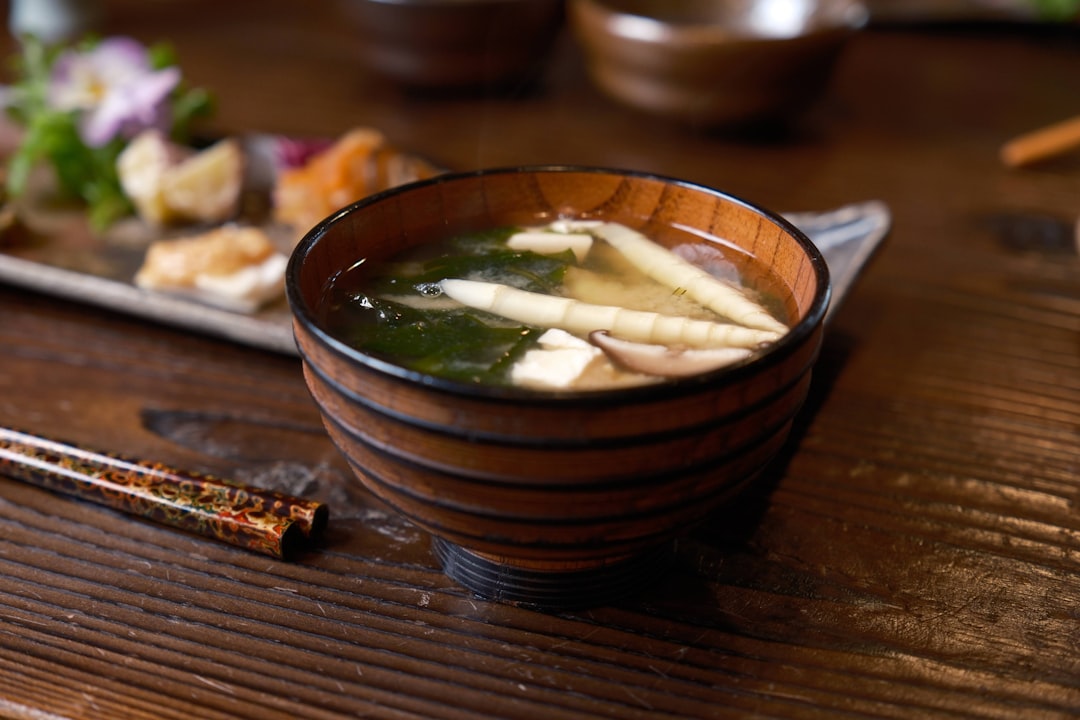
Miso and natto introduce complex soybean fermentation into the diet. Miso paste is intensely flavorful and rich in minerals like manganese. It requires careful moderation due to its salt content. Natto is less common in Western supermarkets but is a nutritional powerhouse. It provides an exceptional source of probiotics that far exceeds the standard offerings found in simple yogurt.
Sourcing these ingredients often requires a visit to specialized grocers. The effort pays dividends in profound metabolic health.
Kefir and cultured cottage cheese offer distinct variations on dairy fermentation. Kefir is a tangy beverage that boasts impressive potential to lower cholesterol. It is easier to digest than standard milk due to the fermentation process. Cultured cottage cheese delivers substantial protein alongside its active cultures. Nutritionist Samina Kalloo highlights its value for bone and energy support.
High prices do not always guarantee superior health outcomes.
The supplement industry capitalizes heavily on gut health trends. Celebrities endorse expensive pills with questionable efficacy. Registered dietitian Kelly Jones warns against purchasing supplements based purely on hype.

Focus instead on the specific strains your body lacks. A simple powder or an established pharmacy brand might serve your needs perfectly. The US Probiotic Guide provides clinical data to help navigate these choices. The ultimate goal is to pair these probiotics with prebiotics like legumes and nuts. Prebiotics act as the essential food source for the live microorganisms in the gut.
True luxury is a well-functioning internal system. You build it slowly with thoughtful daily choices rather than expensive shortcuts.
The architecture of a healthy body requires continuous attention. Stress and poor sleep constantly threaten the balance of our internal flora. Incorporating these eight functional foods provides a sustainable defense mechanism. We must treat our diet as a foundational pillar of beauty and wellness. A diverse plate translates directly to a resilient and thriving biological ecosystem.
True physical radiance is cultivated deeply within the digestive tract.
Frequently Asked Questions
What is the difference between probiotics and prebiotics?
Probiotics are live microorganisms and bacteria that populate the gut to improve health. Prebiotics are the fibrous foods like legumes, fruits, and whole grains that feed and sustain those live bacteria.
Does heating fermented foods destroy the probiotics?
Yes. Heating or cooking fermented foods like sauerkraut and kimchi kills the live active cultures. You should consume these items raw or minimally processed to retain their health benefits.
Are expensive probiotic supplements better than natural food sources?
Not necessarily. Dietitians note that expensive supplements often lack targeted efficacy for individual needs. Standard pharmacy brands with clinical data or a diverse diet of fermented foods are highly effective.
How many probiotics are in a serving of kimchi?
Kimchi is incredibly potent. It can contain anywhere from ten million to ten billion colony-forming units per gram.
Why is natto considered a superfood?
Natto is a fermented soybean dish that contains significantly more probiotics than standard yogurt. It is also dense in protein, micronutrients, and antioxidants that support immune and metabolic health.
Can kombucha replace a daily probiotic supplement?
Kombucha contains beneficial microbes and antioxidants, but its potency varies based on preparation and storage. A low-sugar, properly refrigerated kombucha is an excellent dietary addition, though you should consult a doctor before replacing prescribed supplements.