The modern pursuit of wellness often looks like an endless labyrinth of complex routines. Yet the truest luxury remains a restored mind. Integrating 7 Magnesium-Rich Foods to Help Improve Your Sleep and Your Mood is a quiet revolution. We are stepping away from synthetic quick fixes. The focus is shifting toward the foundational minerals that govern our deepest biological rhythms.
Nearly half of American adults operate on a quiet deficit of this vital nutrient. The consequences are written plainly on our faces.
According to Paul Kriegler, a registered dietitian at Life Time, our bodies simply cannot manufacture this essential mineral. We are entirely dependent on our environment to source it. The National Institutes of Health sets the daily target precisely between 400 and 420 milligrams. This mineral dictates over 300 internal processes. It manages blood pressure regulation and complex protein synthesis.
It is the silent architect of our nightly cellular recovery.
Dietitian Mckenzie Dryden of HonorHealth Integrative Medicine views the mineral through the lens of mood regulation. It actively supports the production of serotonin. This neurotransmitter is our primary defense against anxiety.

Serena Pratt, another registered dietitian, notes the delicate interplay with GABA. Together, they lower the nervous system's primitive fight-or-flight response. This chemical synergy primes the body for rest. It acts as a natural buffer against cortisol spikes. Dryden points out that this same pathway converts tryptophan into serotonin, which eventually becomes melatonin.
Sourcing this mineral strictly through diet yields the highest dividends. Supplements lack the complex nutritional framing of food.
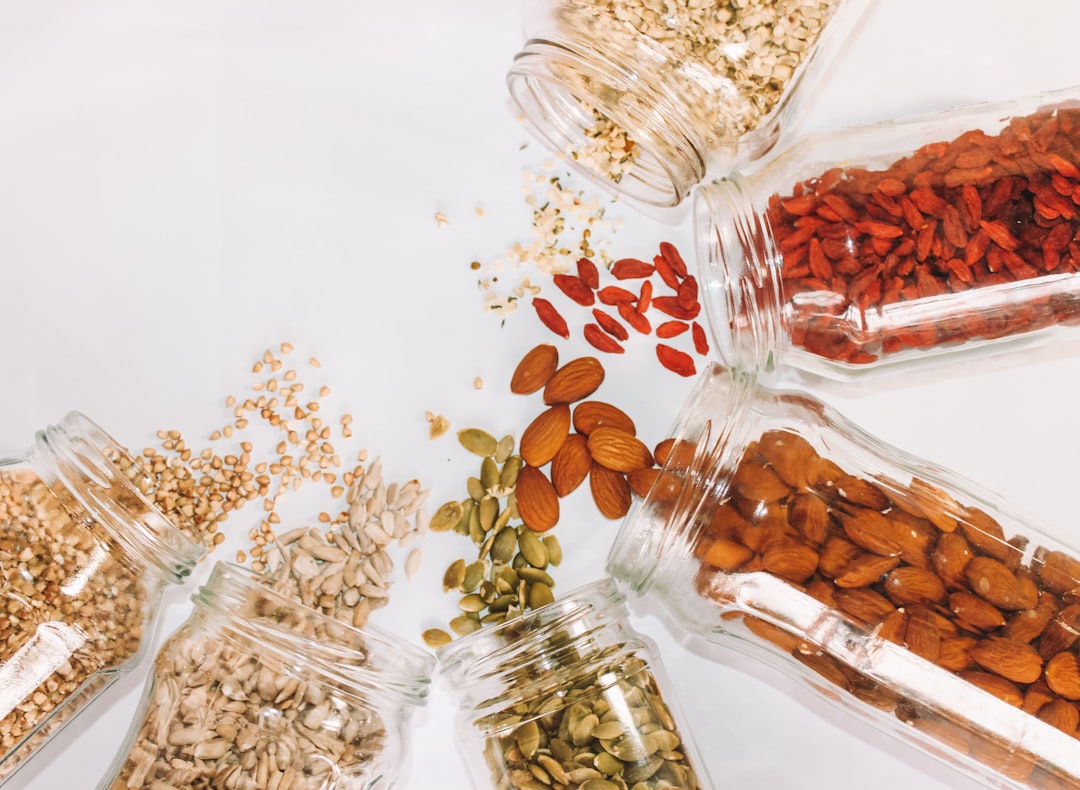
Pumpkin seeds stand as the undisputed heavyweights in this category. A single serving delivers an impressive 156 milligrams. That accounts for 37 percent of the recommended daily value. They also bring tryptophan to the palate. Chia seeds follow closely behind. Two mere tablespoons provide a dense concentration of both the mineral and omega-3 fatty acids to combat cognitive inflammation.
These tiny seeds are foundational to modern neurological health.
Leafy greens offer a dual advantage of fiber and essential minerals. A thriving gut microbiome directly correlates with emotional stability. Kriegler champions them for their immense versatility in a sophisticated kitchen.

The pantry staples of oats, whole wheat flour, and quinoa serve a similar purpose. These whole grains carry intrinsic calming properties. Beans elevate the narrative further. Black beans, chickpeas, and lentils provide a steady stream of folate and iron. Pratt explains that their low-glycemic nature stabilizes blood sugar. This biological steadiness wards off sudden anxiety.
Evening rituals require a curated approach to snacking. Tart cherries contain natural melatonin to signal the brain it is nighttime.
Dryden insists on the tart variety specifically. The juice operates with equal efficacy if the whole fruit is unavailable. Finally, dark chocolate completes the regimen. Pratt advises selecting bars containing a minimum of 65 percent cocoa. Beyond the raw mineral content, the experience prompts a distinct release of endorphins. It is an immediate and tactile mood elevation grounded in science.
True wellness is found in these highly deliberate dietary choices.
We must abandon the pursuit of isolated chemical fixes. A plate layered with seeds, deep greens, and quality cocoa offers a more holistic defense against modern fatigue. It is a return to elegant and functional living.
The transition into the colder months often brings seasonal affective disorder into sharp focus. While Kriegler notes that prioritizing vitamin D remains paramount, our star mineral plays a crucial supporting role here. It actively facilitates the absorption of vitamin D. A 2022 study highlighted by experts confirms that targeted supplementation can visibly lower systemic inflammation.
This biological synergy is impossible to ignore. The architectural framework of our diet dictates the quality of our waking hours.
Research tracking roughly 4,000 individuals demonstrated significant improvements in sleep efficiency. Participants recorded shorter periods of wakefulness throughout the night. It is a compelling argument for reassessing our pantries. The connection between what we consume and how we rest is absolute. We are no longer guessing at the mechanics of our own physiology. The data is clear.
Mastering this very delicate nutritional balance requires daily discipline.
There is a certain glamour in operating at peak efficiency. Understanding the precise functions of neurotransmitters like glutamate elevates our approach to self-care. It transforms eating from a necessity into an art form.
Frequently Asked Questions
How much magnesium do adults need daily?
The National Institutes of Health recommends a daily intake of 400 to 420 milligrams for adults. This amount is necessary to support over 300 internal bodily processes.
Can dark chocolate actually improve my sleep and mood?
Yes, provided you select chocolate with at least 65 percent cocoa. It contains magnesium and serotonin while prompting the brain to release endorphins for an immediate mood boost.
Why are pumpkin seeds recommended for anxiety?
A single serving of pumpkin seeds contains 156 milligrams of magnesium, fulfilling 37 percent of your daily requirement. They also contain tryptophan, an amino acid crucial for relaxation and serotonin production.
What is the connection between leafy greens and emotional stability?
Leafy greens are rich in both magnesium and fiber. A high-fiber diet supports a thriving gut microbiome, which is strongly linked to lower risks of depression and better brain health.
Does tart cherry juice work as well as eating the whole fruit?
Yes. Drinking tart cherry juice is just as effective as consuming the fruit itself. Both provide natural melatonin to help regulate your internal clock and signal to your body that it is time to sleep.