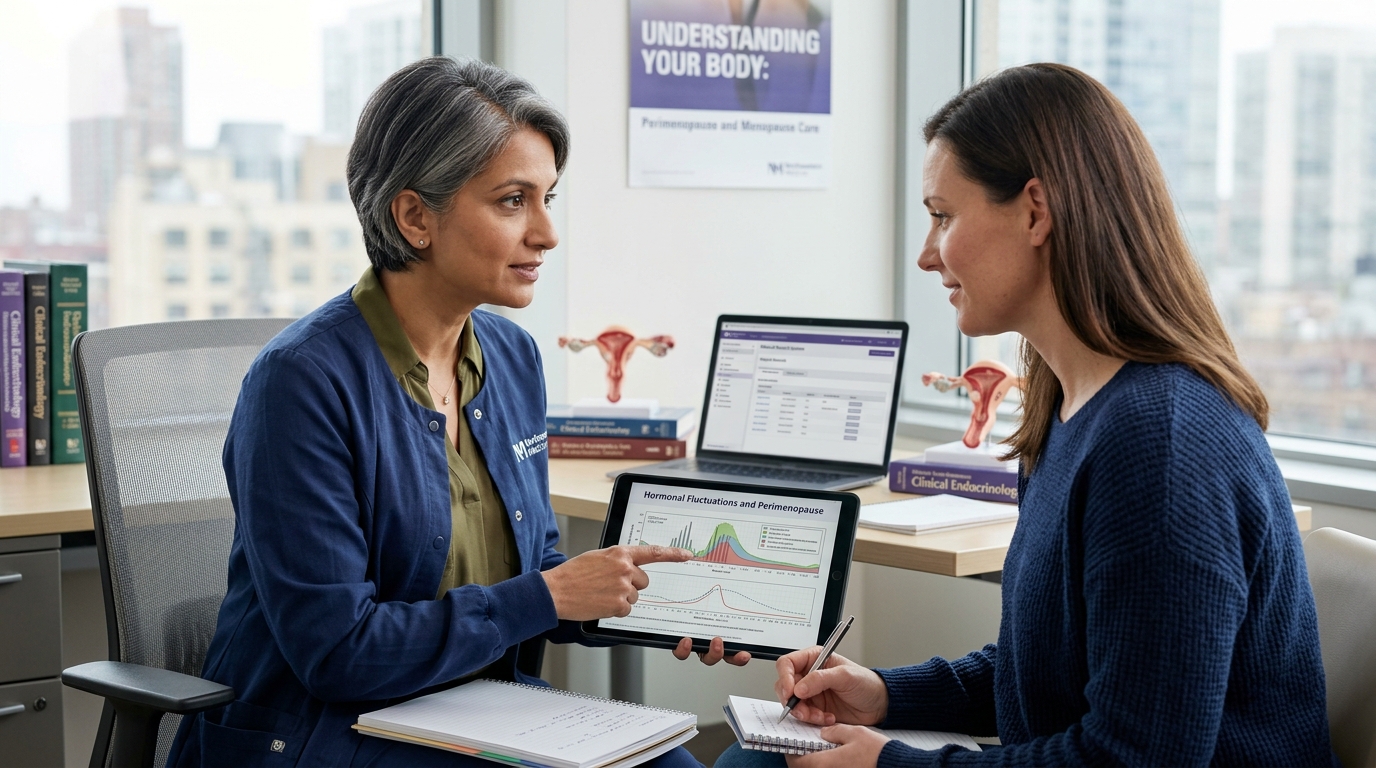
The medical establishment is finally addressing women's hormonal shifts with clinical precision. The 5 things OB/GYNs want you to know about perimenopause fundamentally change this outdated narrative. For decades, doctors treated this natural transition as a taboo subject best ignored. We are moving away from dismissive advice to actual clinical solutions. The days of simply enduring the discomfort are officially over.
It is a necessary correction. Understanding your body requires absolute clarity. Science is finally catching up to female reality.
A recent Washington Post report detailed the experience of Jennifer Clark, a forty-year-old Colorado resident who woke up drenched in sweat as her cycles shortened. She suspected perimenopause, but her doctors merely told her to sleep with a fan on. They made her feel completely dismissed. Top medical professionals are now rewriting these rules. The transition demands actual respect.
Ignorance is no longer an acceptable modern medical strategy.
Dr. Kristen Venuti of Northwestern Medicine notes a massive cultural shift. Six years ago, one patient a week asked about these symptoms. Today, multiple women bring it up daily. The dialogue is unapologetic.
The First Reality: A Prolonged Transition
The initial fact to grasp is the timeline. Perimenopause is not a sudden cliff. It is a gradual transition. Dr. Anna Barbieri of Mount Sinai Hospital explains that the process typically begins in a woman's late thirties or mid-forties. The median time span is four years, though symptoms can linger for an entire decade.
Genetics play a heavy hand here. Your mother's timeline often predicts your own path.

Hormones like estrogen and progesterone are the absolute drivers of this shift. As women age, the brain stops alerting the ovaries to ovulate with the same efficiency. This communication breakdown triggers a cascade of internal physical reactions.
The Second Reality: Unpredictable Symptoms
The hallmark of this era is absolute unpredictability. Dr. Karen Adams of Stanford Health Care points out that menstrual cycles become entirely erratic. A standard thirty-day cycle might suddenly shrink to three weeks. PMS symptoms often worsen dramatically, or you might skip periods entirely. You never know from day to day how you will feel.
Women with past insomnia or depression face much higher risks now.
Dr. Alison Shea is a menopause specialist in Hamilton, Ontario. She notes that eighty percent of women experience vasomotor symptoms. These include intense hot flashes and night sweats. One in four women face severe disruptions that ruin their sleep, work productivity, and personal relationships.
The Third Reality: The Cardiovascular Threat
Hormones do not exist in a vacuum. Estrogen is fundamentally a protector of the heart. Its decline requires immediate and serious attention.
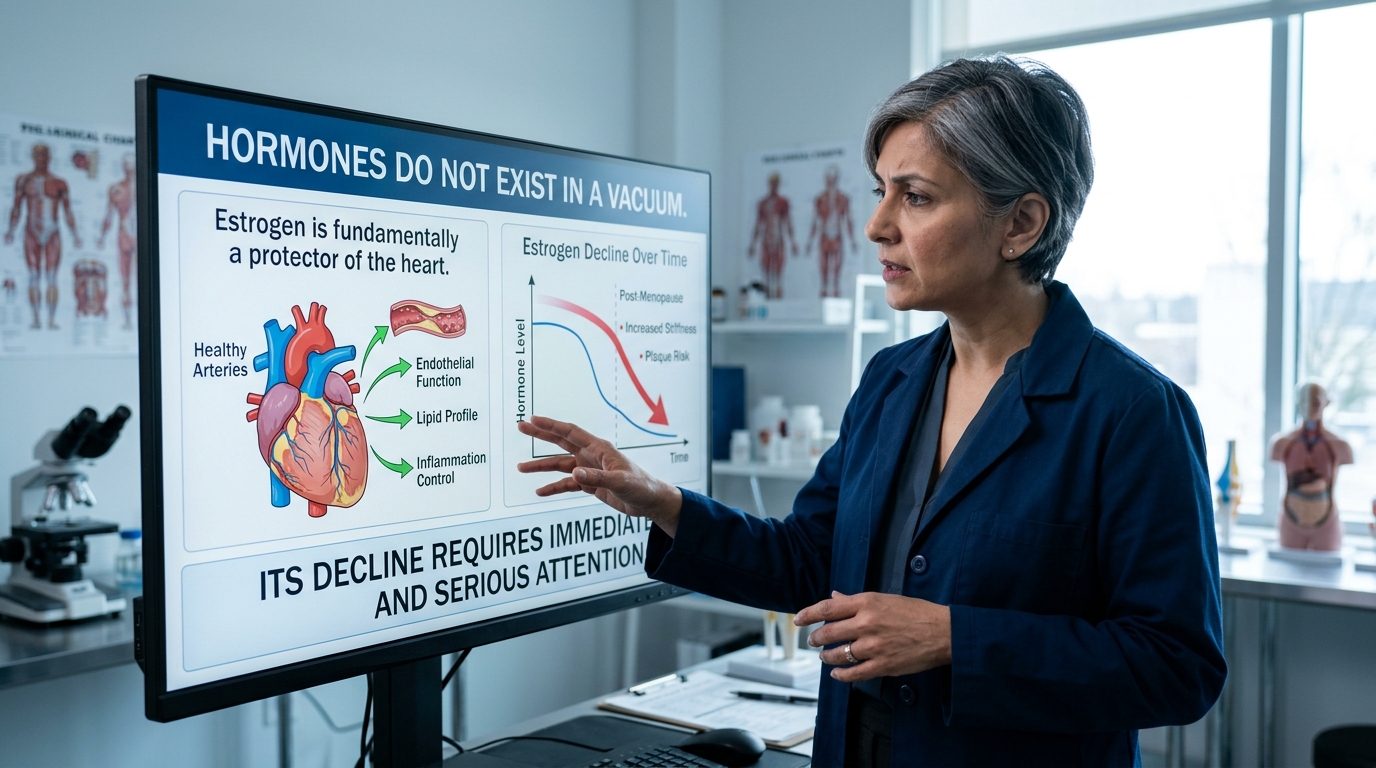
Dr. Jeremy London is a cardiothoracic surgeon with over twenty-five years of experience. He recently took to Instagram to share a vital health advisory. He stresses that menopause is a transition, not a disease. However, the drop in estrogen drastically changes your risk profile. Cardiovascular vulnerability skyrockets as women enter this phase.
Women face a higher incidence of high blood pressure and increased cholesterol.
The volume of visceral fat also increases. Dr. London makes it clear that estrogen is not just about reproduction. It deeply affects brain health and overall metabolic stability. The choices you make today dictate your physical reality decades later.
The Fourth Reality: Muscle Is Currency
You cannot wait until the symptoms peak to change your lifestyle. Preventive habits are absolutely foundational. Dr. London advocates for a highly proactive approach to fitness and diet. He emphasizes the critical importance of resistance training. You must prioritize adequate protein intake and prioritize your sleep. Developing and maintaining muscle mass is your greatest defense.
Muscle is truly your ultimate commodity during this transition.

Building physical resistance provides long-term protective advantages. It cuts through the misinformation and unnecessary panic. A strong body handles the volatile physiological state with much more grace.
The Fifth Reality: Suffering Is Optional
The final lesson is perhaps the most crucial. The old mindset of simply pushing through the pain is dead. A recent poll by Angus Reid showed that seventy-five percent of Canadian women felt confident speaking to their doctors. Yet only twenty-six percent felt well informed about their options. Half of the women experiencing severe vasomotor symptoms receive no treatment at all. This silent endurance is totally unnecessary.
Menopause hormone therapy remains a powerful tool. It reduces the risk of osteoporosis significantly.
Hormone therapy is not suitable for everyone. Thankfully, medical science has evolved. Health Canada recently approved neurokinin receptor antagonist therapies. These non-hormonal NKRA treatments are specifically designed to reduce the severity of moderate to severe hot flashes and night sweats.
Lifestyle adjustments also matter. Avoiding spicy foods and wine helps.
Dr. Shea urges patients to speak up. Describe exactly how your symptoms affect your daily life in the boardroom or at home. You can even visit WhatsVMS.ca to download a discussion guide. Menopause is inevitable, but suffering is not.
Frequently Asked Questions
What exactly is perimenopause and when does it begin?
Perimenopause is the transitional phase leading up to menopause. It typically begins in a woman's late thirties or mid-forties and is marked by significant fluctuations in estrogen and progesterone.
How long does the perimenopause transition usually last?
The median duration for this transition is four years. However, symptoms can last anywhere from a few months to a full decade before menstrual cycles permanently stop.
Can perimenopause affect cardiovascular health?
Yes. The drop in estrogen during this transition alters your risk profile. Women face a higher incidence of high blood pressure, increased cholesterol, and an accumulation of visceral fat.
What are vasomotor symptoms during perimenopause?
Vasomotor symptoms primarily include hot flashes and night sweats. Approximately eighty percent of women experience these sudden, intense episodes of heat and sweating due to hormonal changes.
Are there non-hormonal treatments for hot flashes?
Yes. Health Canada recently approved neurokinin receptor antagonist therapies. These non-hormonal NKRA treatments effectively reduce the frequency and severity of moderate to severe hot flashes.
Why is muscle mass important during menopause?
Muscle acts as a metabolic commodity during hormonal shifts. Maintaining muscle mass through resistance training provides long-term protective advantages against metabolic decline and bone loss.