Spring is a season of shedding heavy layers and resetting rigid routines. Curating the definitive 5 High-Fiber Foods to Stock Up on This Spring requires the exact same editorial eye as building a transitional wardrobe. The focus must be entirely on function and form.
The modern approach to wellness demands a profound understanding of internal architecture. We too often neglect the fundamental building blocks of digestion in favor of superficial fixes. Gastroenterologist Dr. Saurabh Sethi notes that adults require between twenty-five and thirty-five grams of dietary fiber daily. Reaching this baseline demands strategic dietary curation rather than mere accident or guesswork.
Relying solely on standard leafy vegetables is a critical error in judgment.
Dietitian Lauren Hubert advocates for a highly structural approach to carbohydrate consumption. We must look toward ingredients that pull double duty in the kitchen. The pantry must be stocked with items offering both density and utility.
Chia seeds serve as the ultimate foundational textile for any serious nutritional plan. Two tablespoons deliver an impressive ten grams of fiber. Their soluble nature allows them to absorb liquid and form a unique stabilizing gel. This specific mechanical action slows digestion and provides sustained physical energy. Hubert frequently utilizes them in custom puddings that function effortlessly as a sophisticated breakfast.
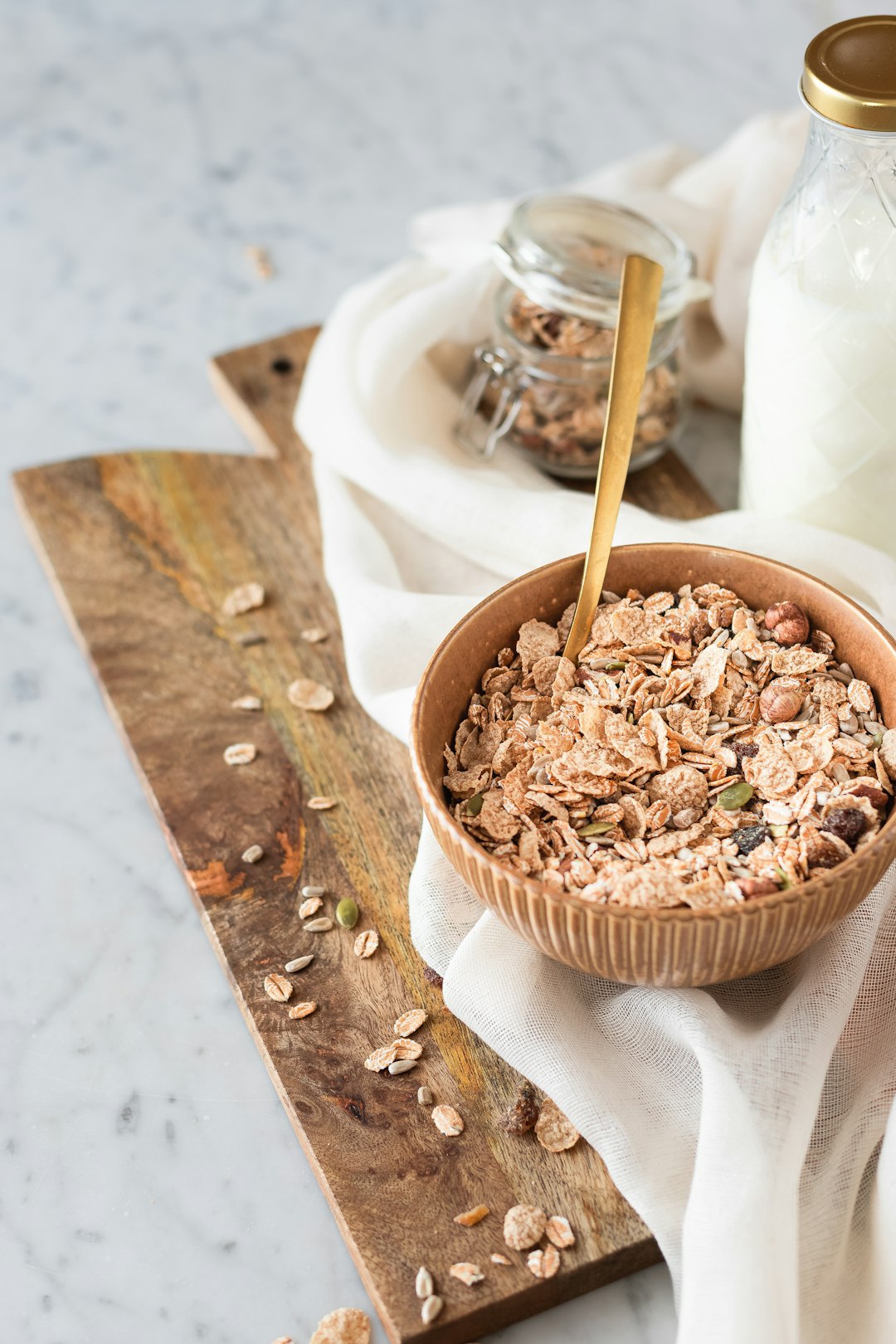
Precision is absolutely essential when selecting your foundational morning grains.
Oats remain a classic staple in the wellness market for a very specific reason. A half cup of the dry rolled variety offers five grams of fiber. The majority of this composition is a valuable soluble fiber known as beta-glucan.
This specific soluble fiber actively works to lower cholesterol levels while providing a reliable metabolic anchor. They are the sartorial equivalent of a perfectly tailored trench coat. Oats adapt easily to overnight soaking alongside high-quality protein powder and fresh fruit. Dr. Sethi specifically points toward steel-cut or rolled iterations as the premier choices for optimal gastrointestinal health.
True functionality never has to compromise basic aesthetic appeal or flavor.
Raspberries introduce a necessary and vibrant brightness to the muted spring palate. A single cup provides a staggering eight grams of dietary fiber. They offer an elegant solution to sweet cravings while maintaining strict nutritional integrity.
The market context of fruit consumption often prioritizes sugar content over structural benefits. Raspberries disrupt this paradigm beautifully. You can fold them into a chia pudding or scatter them over morning oats for immediate impact. Blackberries operate on a similar wavelength. A single cup of blackberries delivers seven and a half grams of fiber to support stable blood sugar levels throughout your busy day.

Proper integration of these ingredients requires daily discipline rather than fleeting enthusiasm.
Pears represent another elegant addition to the seasonal rotation. The health expert explicitly recommends eating the fruit with its skin intact. A single medium-sized pear provides five to six grams of essential daily fiber.
Peeling the fruit strips away the very texture that makes it valuable. We must embrace the entire organic structure. The skin provides necessary roughage that aids in the prevention of constipation and the reduction of chronic disease risk. Slicing a pristine pear over a bed of quinoa or serving it alongside roasted meats elevates a standard dish into a masterclass of balanced macronutrients.
Lentils represent the heavy and reliable knitwear of the entire legume family.
A half cup of cooked lentils carries an impressive eight grams of fiber. They ground a delicate meal with earthy depth. These legumes ensure your digestive mechanics operate with flawless precision during the unpredictable transitional months.
Black beans act as the dark and structured denim of your culinary repertoire. A half cup of cooked black beans provides seven and a half grams of fiber. They are entirely indispensable for a modern and highly functional diet.
These specific beans offer a robust density that anchors lighter spring vegetables. Incorporating them into high-fiber tortillas or roasted vegetable bowls creates a balanced meal. Hubert notes that pairing proper tortillas with fiber-rich fillings turns a simple concept into something deeply satisfying. You are not just eating. You are curating a highly functional internal environment designed for longevity.
Form and function must always walk hand in hand across every single meal.
Chickpeas deliver an entirely different silhouette to the dietary lineup. A half cup of these cooked legumes provides a solid six grams of fiber. They bring a distinct and rounded texture that elevates any standard market salad.
We must view dietary fiber not as a chore but as an essential element of self-care. The American dietary guidelines explicitly state the minimum requirements for a reason. By rotating chia seeds, oats, raspberries, pears, and complex legumes, you effortlessly meet those standards. The execution is remarkably simple. The physical results are undeniably profound.
True luxury is a physical body that functions flawlessly from the inside out.
Frequently Asked Questions
What is the recommended daily intake of dietary fiber?
According to American dietary guidelines, adults should consume between twenty-five and thirty-five grams of fiber daily. Children between twelve and twenty-three months require nineteen grams per day.
Why are chia seeds considered beneficial for digestion?
Chia seeds contain soluble fiber that absorbs liquid to form a thick gel. This process slows digestion and keeps you fuller for a longer period. Two tablespoons provide ten grams of fiber.
Do I need to peel a pear before eating it?
You should consume the pear with its skin intact. The skin contains a significant portion of the nutritional value and roughage. One medium pear provides up to six grams of fiber.
What type of oats should I purchase?
Medical experts specifically recommend steel-cut or rolled oats. A half cup of dry oats delivers five grams of fiber. This includes beta-glucan which actively lowers cholesterol.
Can potatoes be part of a high-fiber diet?
Potatoes fit perfectly into a structured carbohydrate plan. A half cup of cooked potatoes provides up to four grams of fiber. They serve as a filling and versatile base for any meal.